
For many travelers, the dream of visiting Hawaii is synonymous with pristine beaches, lush tropical rainforests, and an overwhelming sense of safety while exploring the great outdoors. One of the most frequently asked questions by those planning their first trip to the United States central Pacific Ocean archipelago is whether they need to worry about slithering reptiles during their adventures. The short answer—which comes as a massive relief to hikers and campers—is that there are no native snakes in the islands. However, the full story involves a complex blend of geographic isolation, strict environmental regulations, and a dedicated local culture committed to preserving the delicate balance of the ecosystem.
The Biological Isolation of the Hawaiian Archipelago
The reason Hawaii remains largely snake-free is rooted in its unique geological history. Unlike many other tropical destinations, these islands were never connected to a continental landmass. They rose from the sea floor as a result of volcanic activity, meaning every plant and animal that originally inhabited the islands had to arrive by “the three Ws”: wind, wings, or waves.
Snakes, being terrestrial animals that do not fly and are generally poor long-distance ocean swimmers, simply could not make the thousands-of-miles journey across the Pacific Ocean. This isolation allowed for the evolution of a highly specialized and unique array of flora and fauna, most of which developed without the pressure of ground-based predators. For the modern tourist, this means that the dense jungles of Oahu or the high-altitude trails of Maui offer a level of peace rarely found in other tropical climates.
The Lone Exception: The Brahminy Blind Snake
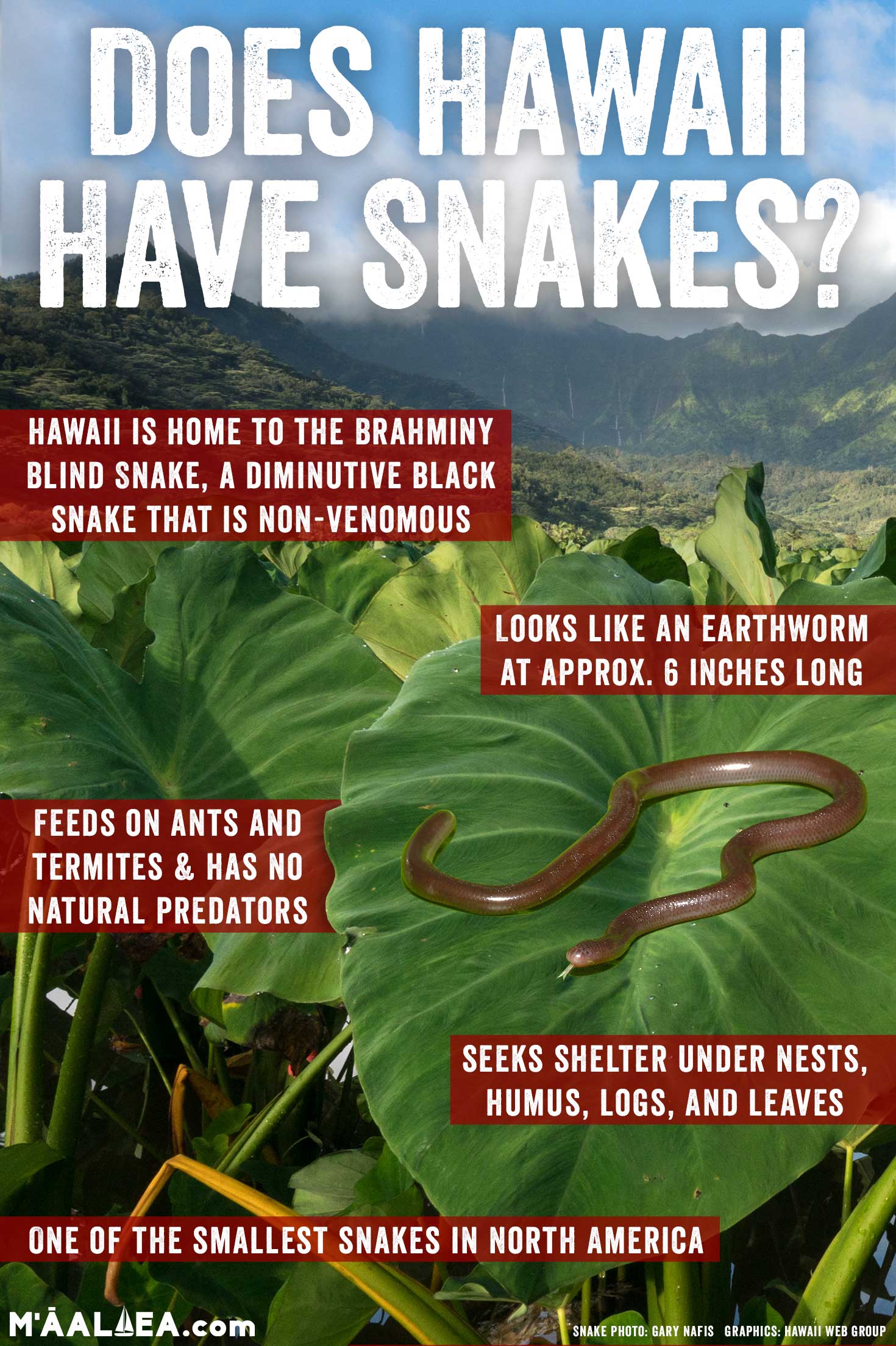
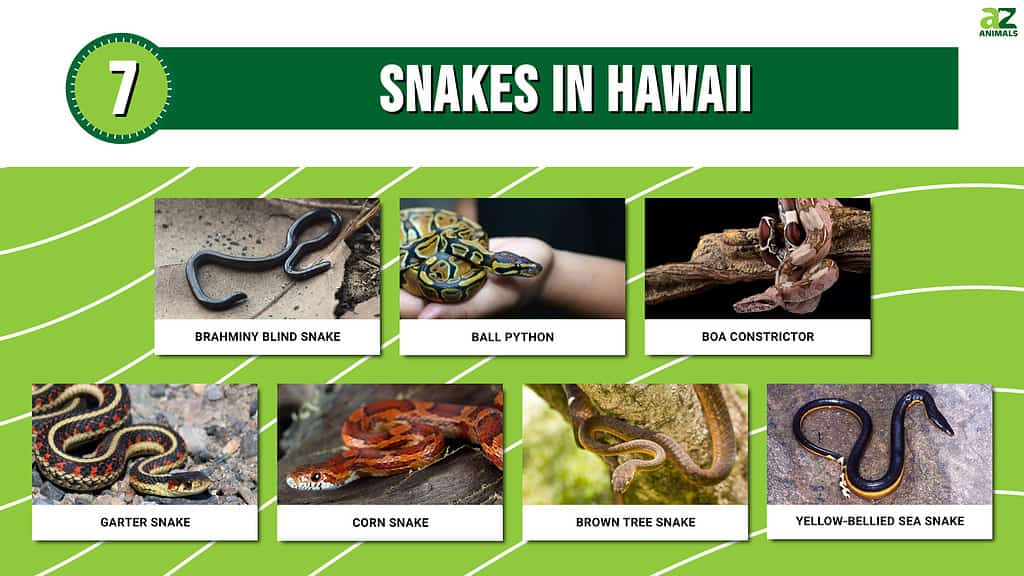
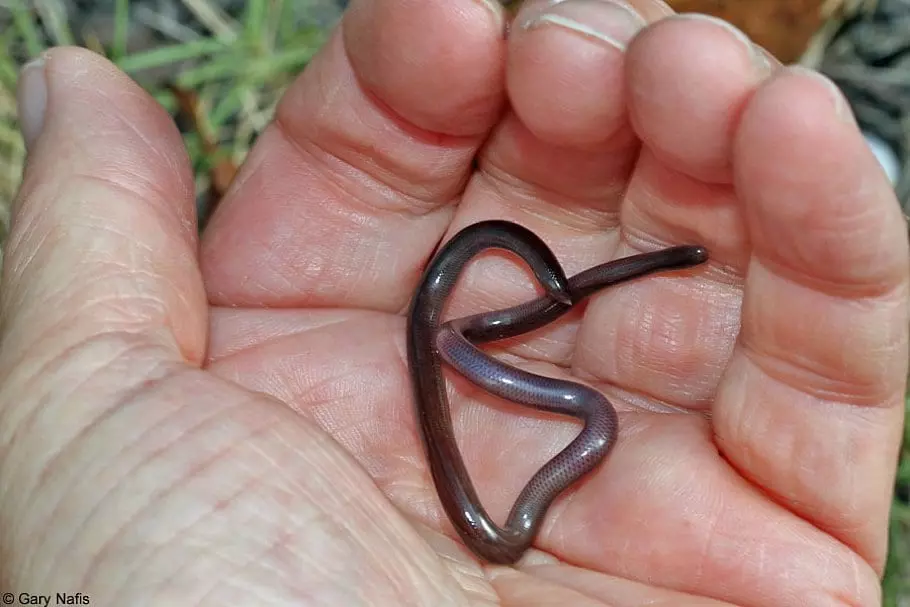
While it is technically true that the islands are free of large, venomous, or native snakes, there is one tiny exception that tourists might occasionally encounter. The Brahminy Blind Snake, an invasive species likely introduced via the soil of imported potted plants, has established a small presence. However, this creature hardly fits the typical image of a snake. It is roughly the size of an earthworm, completely non-venomous, and spends its life burrowing underground eating ant larvae and termites. Most locals and visitors will never see one, and those who do often mistake them for common worms. Because they pose no threat to humans or the local bird populations, they are considered a minor nuisance rather than an ecological catastrophe.
Tourism and the Absence of Natural Predators
The lack of snakes has profoundly shaped the tourism industry and the way visitors experience the islands. In many parts of the world, such as Australia or Southeast Asia, hikers must be hyper-vigilant about where they step and what they touch. In Hawaii, the experience is fundamentally different. You can trek through the tall grasses of Waimea Canyon State Park or navigate the muddy slopes of Mount Waialeale on Kauai without the looming fear of a venomous encounter.
The Hike of a Lifetime: Exploring Without Fear
This freedom allows for a more immersive connection with nature. When you climb the steep stairs of the Diamond Head State Monument, your focus is entirely on the breathtaking views of Honolulu and the turquoise waters below, rather than the undergrowth. Similarly, travelers exploring the volcanic landscapes of Volcanoes National Park can focus on the raw power of Kilauea and the unique formations of the lava tubes without the stress of monitoring for hidden reptiles.
This safety factor is a major draw for family tourism. Parents feel a sense of security letting their children explore the tide pools at Hanauma Bay Nature Preserve or walk the trails near the North Shore of Oahu. The absence of snakes, along with the lack of other major predators like bears or large felines, makes the islands one of the safest outdoor playgrounds on the planet.
Environmental Stewardship and Strict Regulations
Maintaining a snake-free environment is not something the local government takes lightly. It is a matter of extreme ecological and economic importance. Because the native birds of the islands evolved without the threat of snakes, many of them nest on the ground. The introduction of a predatory snake species would lead to the rapid extinction of numerous endangered species, many of which are found nowhere else on Earth.
The Role of the Hawaii Department of Agriculture
The Hawaii Department of Agriculture is the frontline defense against invasive species. Visitors arriving at the Daniel K Inouye International Airport or other major hubs like Kona and Hilo are required to fill out a mandatory Declaration Form. This is not a mere formality; it is a critical tool for protecting the “Aina” (the land).
Possessing a snake is a felony in the state, carrying heavy fines and potential jail time. The state also operates a “Pest Hotline” and an amnesty program, allowing individuals who might have illegally brought a snake to the islands to surrender it without fear of prosecution. This proactive approach is designed to prevent the establishment of a breeding population, which would be nearly impossible to eradicate once started.
The Looming Threat: Learning from Guam
The urgency of these regulations is often illustrated by the cautionary tale of Guam. After the accidental introduction of the Brown Tree Snake following World War II, the native bird populations on that island were decimated. Hawaii has studied this ecological disaster closely, leading to the implementation of rigorous cargo inspections and canine units trained specifically to sniff out snakes on flights arriving from high-risk areas. As a tourist, you may notice these “detector dogs” at baggage claims—they are a vital part of the local effort to keep the islands safe for both residents and the wildlife that makes the destination so special.
Beyond Snakes: Wildlife Encounters for the Mindful Traveler
While the lack of snakes is a highlight for many, the islands are far from devoid of wildlife. A large part of the local tourism experience involves respectful interactions with the creatures that do call these islands home. Understanding the local culture means understanding the concept of “Malama ‘Aina”—to care for and respect the land.
Terrestrial Life: The Mongoose and Native Birds
One of the most common animals you will see scurrying across the road or through resort gardens is the Small Indian Mongoose. Introduced in the 19th century in a misguided attempt to control rat populations in sugar cane fields, the mongoose has become a permanent, albeit invasive, fixture. While they are often mistaken for large squirrels or even weasels, they are a reminder of how human intervention can permanently alter an island ecosystem.
For birdwatchers, the islands are a paradise. High in the forests of Haleakala National Park on Maui, you might spot the vibrant red I’iwi or the Nene (the Hawaiian state bird). These species are precious and protected, and seeing them in their natural habitat is a highlight for any nature-loving traveler.
Marine Life and Coastal Experiences
The true stars of the Hawaiian wild are often found just offshore. A trip to the Na Pali Coast or a snorkeling excursion in Waikiki Beach provides opportunities to see Green Sea Turtles, known locally as Honu. These majestic creatures are sacred in Polynesian culture and are protected by federal and state law. Visitors are reminded to keep a respectful distance, ensuring that their presence does not disturb the animals’ natural behaviors.
Between the months of December and May, the waters between Maui, Lanai, and Molokai become a playground for Humpback Whales. Whale watching is a cornerstone of the local tourism economy, offering an awe-inspiring look at these giants of the deep. This focus on marine conservation and land preservation is what makes the islands such a rewarding destination for those who value the environment.
Essential Tips for the Snake-Free Traveler
Even though you won’t encounter snakes, a successful trip requires some basic preparation and awareness of the local environment. Respecting the land is the best way to ensure the islands remain a beautiful destination for generations to come.
- Footwear Matters: While you don’t need to worry about bites, the volcanic rock and muddy trails can be treacherous. Sturdy hiking boots are recommended for adventures in places like Kauai or the inland trails of Oahu.
- Respect the “Kapu”: In ancient Hawaii, “Kapu” referred to a system of laws and taboos. Today, you will often see signs marking certain areas as “Kapu” or “Sacred.” This usually means the area is culturally significant or ecologically sensitive. Always stay on marked trails to protect the ground-nesting birds and fragile flora.
- Clean Your Gear: To prevent the spread of invasive seeds or fungi (like Rapid Ohia Death), make sure your hiking boots and gear are clean before moving between islands. This is a small but vital tip for any responsible tourist.
- Observe from a Distance: Whether it’s a Hawaiian Monk Seal sunning itself on the sand or a Nene by the roadside, the rule is the same: look but don’t touch. Local laws are very strict about harassing wildlife, and the penalties can be severe.
The absence of snakes in Hawaii is more than just a fun fact; it is a testament to the islands’ unique origins and the ongoing dedication of the people who live there to protect their home. By following the local guidelines and traveling with a spirit of respect, you can enjoy all the wonders of this tropical paradise with total peace of mind. Whether you are lounging in Waikiki or trekking through the remote valleys of Molokai, you can rest easy knowing that the only things you’ll need to look out for are the next stunning sunset and the warmth of the “Aloha” spirit.
LifeOutOfTheBox is a participant in the Amazon Services LLC Associates Program, an affiliate advertising program designed to provide a means for sites to earn advertising fees by advertising and linking to Amazon.com. Amazon, the Amazon logo, AmazonSupply, and the AmazonSupply logo are trademarks of Amazon.com, Inc. or its affiliates. As an Amazon Associate we earn affiliate commissions from qualifying purchases.