
The allure of witnessing the raw, creative power of the Earth is a primary draw for travelers heading to the United States. Specifically, the archipelago of Hawaii stands as one of the few places on the planet where one can potentially stand at the edge of creation. The question of whether you can see lava “right now” is the most frequent inquiry directed toward park rangers and tour guides on the Big Island. Because volcanic activity is governed by the shifting tectonic plates and subterranean magma chambers of the Pacific Ocean floor, the answer is as dynamic as the landscape itself.
The Current State of Volcanic Activity on the Big Island
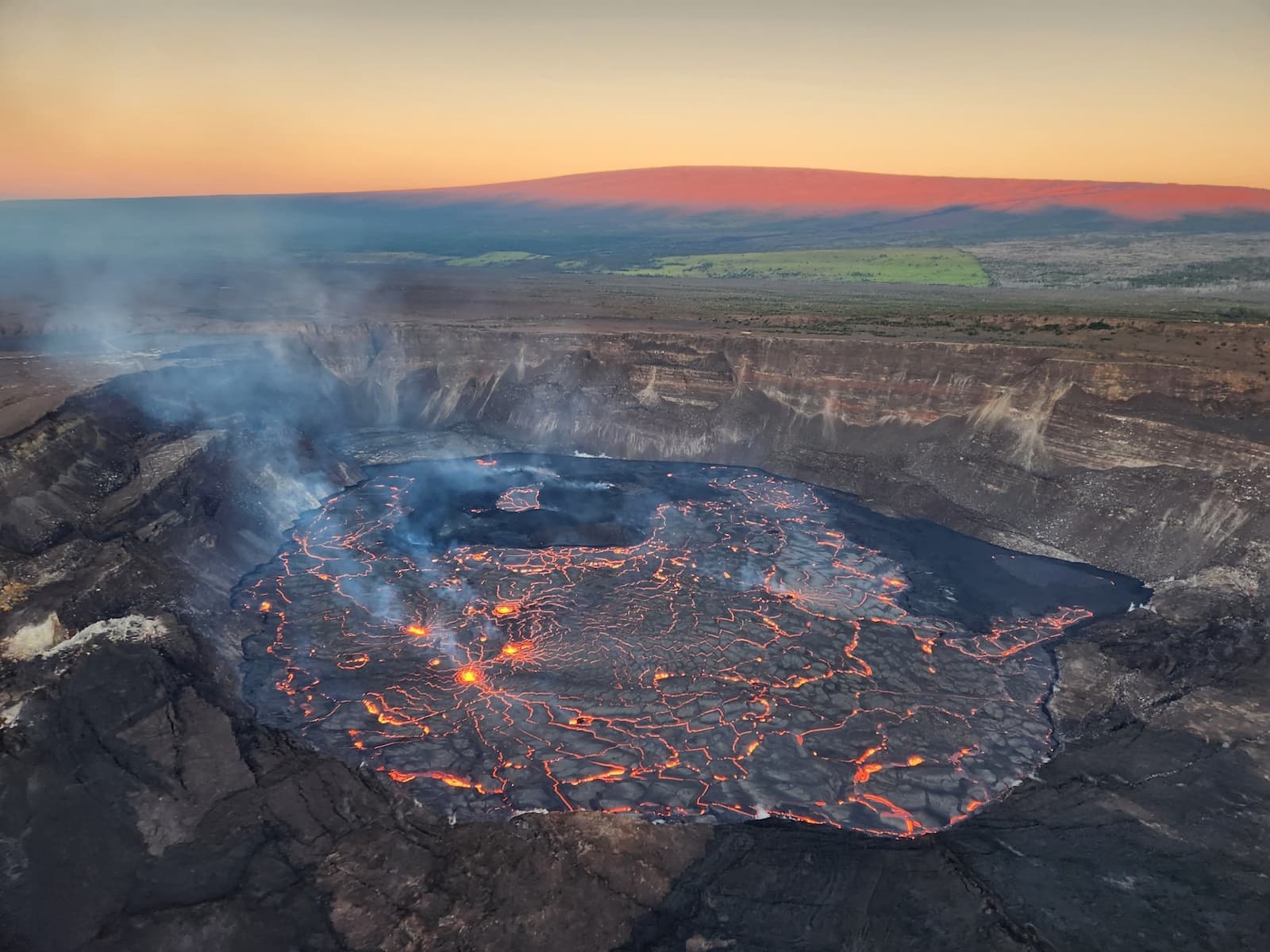
To understand the current viewing opportunities, one must look closely at the activity of Kilauea, one of the world’s most active volcanoes. For decades, Kilauea was famous for its consistent “effusive” eruptions, where lava flowed steadily into the sea. However, after the historic events of 2018, the plumbing system of the volcano changed significantly. Today, activity is primarily concentrated within the Halema’uma’u crater, located at the summit.
While the massive lava rivers that once consumed entire neighborhoods in the Puna District have ceased, the summit remains a theater of geologic change. Eruptive cycles now often take the form of lava lakes filling the deep basin of the crater. When the volcano is “active,” travelers can witness a glowing lake of molten rock, occasional lava fountains, and plumes of volcanic gas. Even during “quiet” periods, the sheer scale of the crater and the steam vents dotting the landscape provide a visceral sense of the heat beneath your feet. It is essential for visitors to check the daily updates provided by the U.S. Geological Survey and the National Park Service before planning a dedicated lava-viewing hike.
Beyond Kilauea, the giant Mauna Loa also commands attention. As the world’s largest active volcano, its rare eruptions are spectacular events that can drape the slopes in fire. While Mauna Loa erupted as recently as late 2022, it currently remains in a state of slumber, monitored closely by scientists in Hilo. For the traveler, this means that while active surface flows reaching the ocean are not a daily guarantee, the volcanic “glow” at the summit is the most reliable way to experience live activity.
Top Vantage Points in Hawaii Volcanoes National Park
The epicenter for any volcanic adventure is Hawaii Volcanoes National Park. This vast reserve protects some of the most unique ecosystems and geological formations in the world. When the lava is flowing within the summit crater, certain locations offer a front-row seat to the spectacle.
The Rim of Halema’uma’u Crater
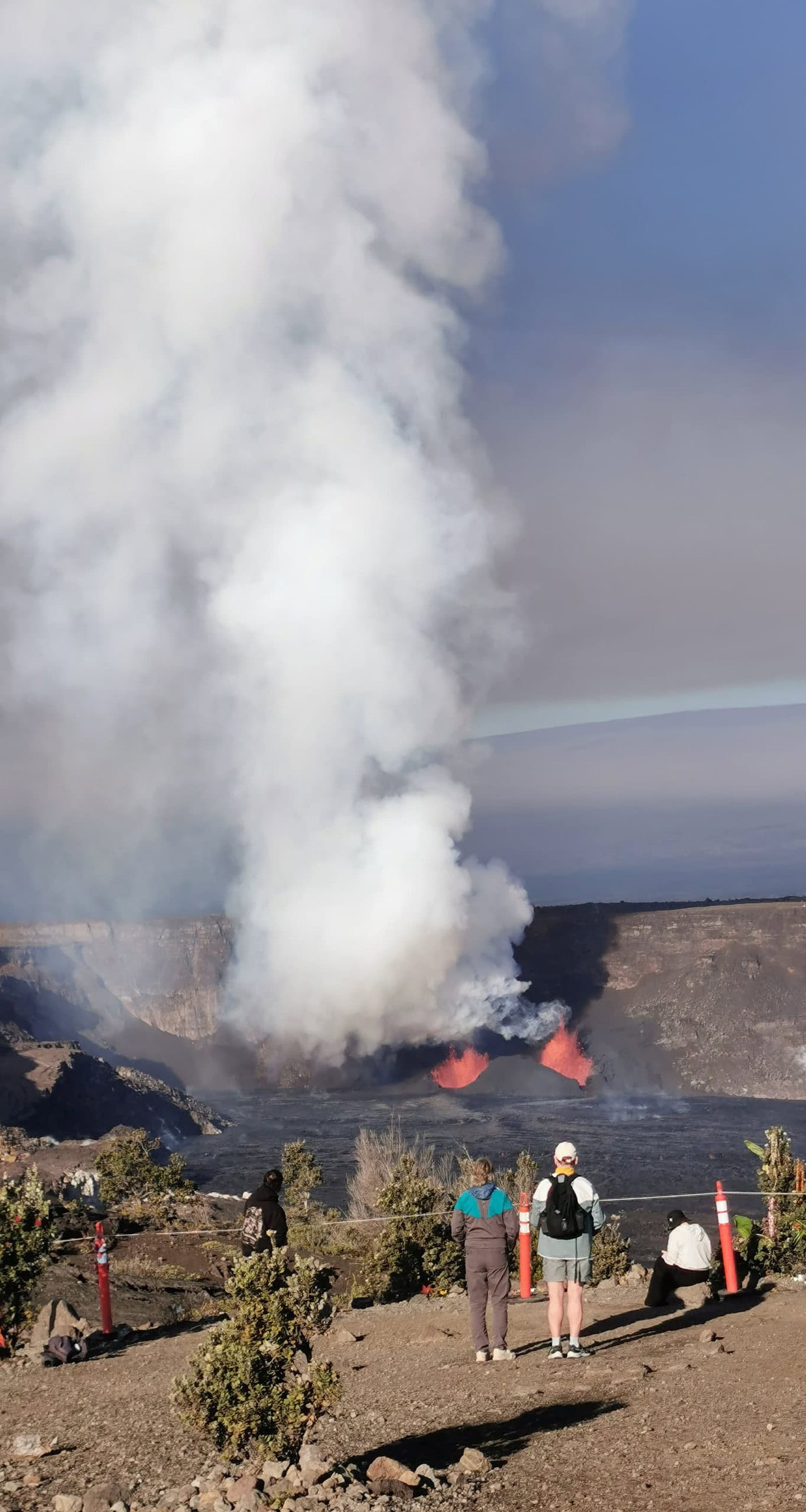
The most accessible and popular viewing area is found along the rim of the Halema’uma’u crater. Following the 2018 collapse, the crater floor dropped hundreds of feet, creating a massive bowl. When eruptions occur here, the Uekahuna viewing area provides a panoramic perspective. At night, the reflection of the molten lava against the volcanic clouds creates a surreal, deep-red glow that can be seen for miles. This is often the best “low-effort, high-reward” spot for families and photographers.
Volcano House and the Crater Rim Trail
For those who prefer a bit of comfort with their geological awe, the Volcano House offers a historic lodge experience sitting directly on the edge of the Kilauea caldera. You can literally sit in a rocking chair with a cup of Kona coffee and watch the steam rise from the crater. The nearby Crater Rim Trail offers various pull-offs, such as Keanakako’i Crater, where visitors can hike to the edge of the most recent fissure zones.
Kilauea Iki Overlook
Though not currently filled with active lava, the Kilauea Iki crater is a must-visit for anyone wanting to understand the scale of past eruptions. In 1959, this crater was a literal lake of fire with fountains reaching 1,900 feet. Today, you can hike across the solidified lava floor. It serves as a stark reminder that even when you cannot see “liquid” lava, you are standing on a landscape that was molten just a few decades ago. The heat still rises from the cracks in the floor, and the steam vents serve as a reminder of the sleeping giant below.
Best Ways to Experience the Volcanic Magic
If the current activity allows, there are several ways to enhance your experience beyond a simple walk to an overlook. Depending on your budget and sense of adventure, these methods provide a more intimate look at the Big Island topography.
Helicopter Tours from Hilo and Kona
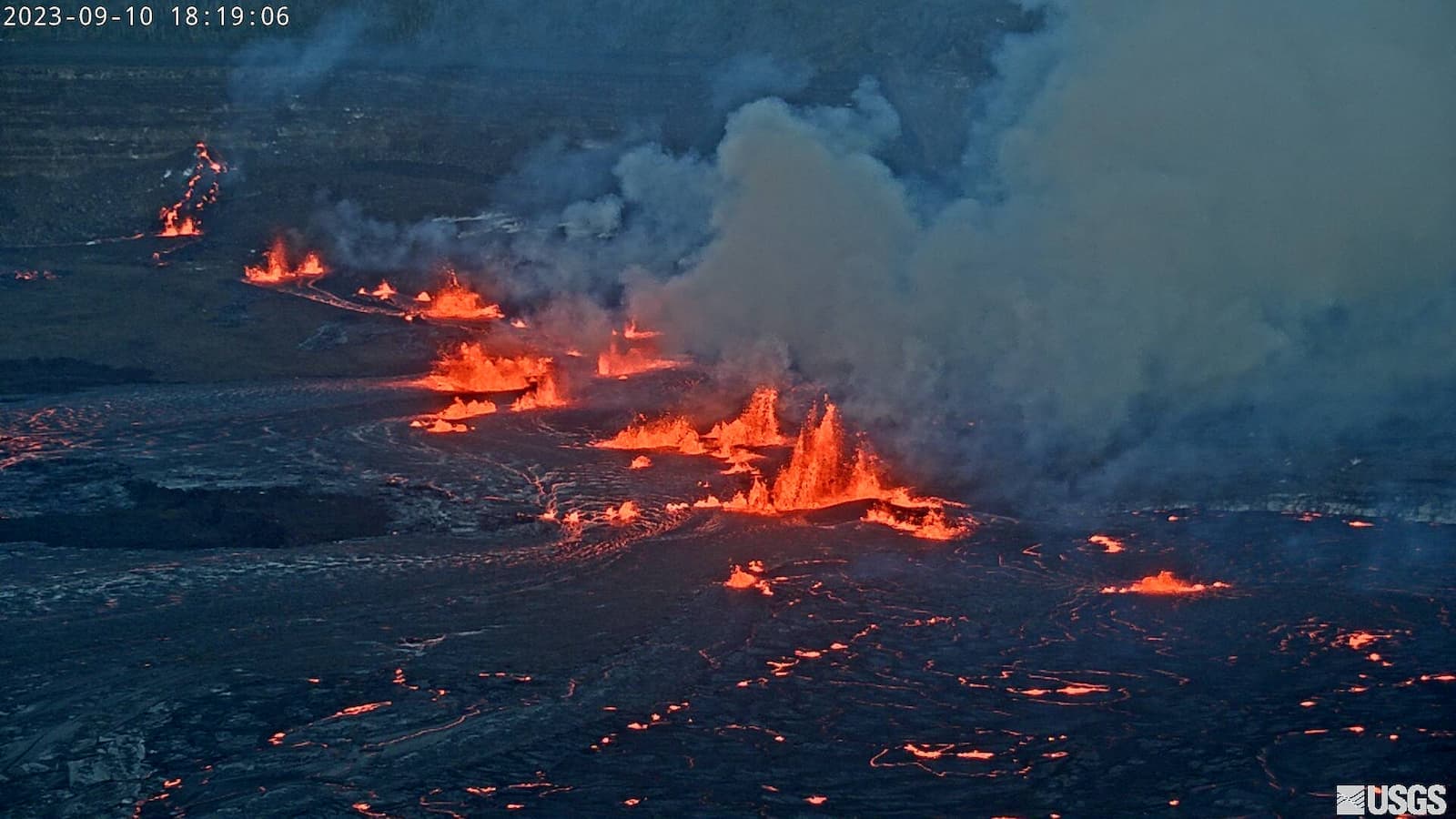
When lava is flowing in areas that are inaccessible by foot, such as the remote regions of the East Rift Zone, a helicopter tour is the only way to see the action. These flights typically depart from Hilo International Airport or Kona International Airport. From the air, you can see the sheer scale of the Pu’u ‘O’o vent and the vast frozen rivers of basalt that have reshaped the coastline. Seeing the contrast between the lush green rainforests and the stark, black lava fields from above provides a perspective that ground travel simply cannot match.
Guided Night Hikes
The most magical time to view volcanic activity is after the sun sets. The “glow” is a phenomenon that transforms a gray, smoking pit into a vibrant cauldron of orange and red. Many local operators offer guided night hikes that lead travelers to the best secret spots along the Chain of Craters Road. These guides provide essential context on the myths of Pele, the Hawaiian goddess of fire, and ensure that travelers stay on marked paths to avoid dangerous “skylights” or unstable ledges.
Boat Tours along the Puna Coastline
While currently less common due to the lack of active ocean entries, boat tours are a legendary way to see lava. When the molten rock meets the Pacific Ocean, it creates “laze” (lava haze) and massive steam explosions. If Kilauea begins to send flows toward the sea again, booking a tour from Kalapana or Isaac Hale Beach Park is the most visceral way to witness the battle between fire and water.
Planning Your Visit: Safety and Preparation
Visiting an active volcano is not like visiting a standard tourist attraction. It requires preparation, respect for the environment, and an understanding of the risks involved. The landscape of Hawaii Volcanoes National Park is rugged and can be unforgiving.
First and foremost, air quality is a major consideration. Volcanoes emit large amounts of sulfur dioxide, which can react with sunlight and moisture to create “vog” (volcanic smog). For travelers with respiratory issues, such as asthma, checking the air quality index at the Kilauea Visitor Center is mandatory. On days with high gas emissions, certain areas of the park may be closed to the public.
Footwear is another critical component. Lava rock is incredibly sharp—often compared to broken glass. A simple stumble on a trail like the Devastation Trail can result in significant cuts. Sturdy, closed-toe hiking boots are essential. Additionally, the weather at the summit of Kilauea (at 4,000 feet) is much cooler and wetter than the sunny beaches of Kailua-Kona. Always pack rain gear and layers, as temperatures can drop significantly once the sun goes down.
Lastly, travelers must respect the cultural significance of these sites. To the Native Hawaiian people, the volcanoes are sacred places. Building “rock cairns” or taking lava rocks home as souvenirs is not only seen as disrespectful to Pele but is also illegal within the park. Following the “Leave No Trace” principles ensures that these landmarks remain preserved for future generations.
Beyond the Lava: Geological Wonders of the Big Island
Even if there is no active “red” lava visible during your trip, the Big Island is a living museum of volcanology. There are several landmarks that allow you to explore the “skeleton” of the volcanic system.
One of the most famous sites is the Thurston Lava Tube, also known as Nahuku. This is a massive subterranean cave formed by a river of lava that cooled on the outside while the molten center continued to flow out. Walking through this illuminated tunnel feels like entering another world, surrounded by the ferns of the Ola’a Rainforest.
The Chain of Craters Road is another essential drive. This 19-mile winding road descends 3,700 feet to the coast, passing through various eruption sites from different decades. At the end of the road, you are greeted by the Holei Sea Arch, a magnificent rock formation carved by the power of the waves. Here, you can see where the road was abruptly cut off by lava flows in 2003, a silent testament to the fact that in Hawaii, the land is always growing, moving, and changing.
Whether you see a glowing lake of fire or the vast, silent fields of black basalt, a trip to the volcanic heart of Hawaii is a transformative travel experience. It is a place that humbles the spirit and reminds us of the incredible forces that shape our planet. Always stay informed, stay safe, and keep your eyes on the horizon for that legendary Hawaiian glow.
LifeOutOfTheBox is a participant in the Amazon Services LLC Associates Program, an affiliate advertising program designed to provide a means for sites to earn advertising fees by advertising and linking to Amazon.com. Amazon, the Amazon logo, AmazonSupply, and the AmazonSupply logo are trademarks of Amazon.com, Inc. or its affiliates. As an Amazon Associate we earn affiliate commissions from qualifying purchases.