
Traveling to Hawaii is a dream for many, evoking images of pristine beaches, lush tropical landscapes, and the warm spirit of aloha. However, before you pack your floral shirts and sunscreen, it is essential to understand the logistical requirements of entering this Pacific paradise. Because Hawaii is the 50th state of the United States, the entry requirements vary significantly depending on your country of citizenship and the point of origin for your flight. This guide provides a comprehensive overview of everything you need to know regarding passports, identification, and travel documentation for your journey to the islands.
Understanding Entry Requirements for Domestic and International Travelers
The primary factor determining whether you need a passport to visit the Hawaiian Islands is your legal status within the United States. Since Hawaii is a domestic destination for those already within the country, the rules align with standard interstate travel, yet there are specific nuances regarding modern identification standards.
For United States Citizens and Permanent Residents
If you are a citizen of the United States, you do not need a passport to travel to Hawaii when flying from the mainland or another U.S. territory. Travel between California, New York, or Washington and the islands is considered domestic. You are moving from one state to another, much like driving from Los Angeles to Las Vegas. However, you must still present a valid government-issued photo ID at the airport.
The most critical update for domestic travelers is the REAL ID Act. Managed by the Department of Homeland Security, this regulation requires that all travelers aged 18 and older have a REAL ID-compliant driver’s license or another acceptable form of ID (such as a passport or military ID) to pass through checkpoints operated by the Transportation Security Administration. While a passport is not strictly required for domestic flights, it remains an excellent backup form of identification if your state-issued license does not yet meet REAL ID standards.
For International Visitors
For travelers coming from outside the United States, a valid passport is mandatory. This applies to visitors from neighboring countries like Canada and Mexico, as well as those arriving from Japan, Australia, South Korea, or the United Kingdom.
International tourists must also navigate the visa requirements set by the U.S. government. Many travelers from countries participating in the Visa Waiver Program can enter using an Electronic System for Travel Authorization (ESTA). This must be applied for online well in advance of departure. If your country is not part of this program, you will need to apply for a standard B-2 tourist visa through a U.S. Embassy or Consulate.
Special Considerations for Layovers
It is important to check your flight itinerary carefully. If you are a U.S. citizen flying from Seattle to Honolulu but your flight has a layover in Vancouver, Canada, you will be leaving the country. In this specific scenario, you would need a passport to re-enter the United States or even to transit through the international terminal. Always ensure your flight path remains entirely domestic if you plan to travel without a passport.
Navigating the Journey to the Hawaiian Islands
Once you have established your identification needs, the next step in your travel guide involves understanding the logistics of arrival. Hawaii is an archipelago, and your point of entry will likely be one of the major commercial airports spread across the four primary islands.
Major Airports and Entry Points
The Daniel K. Inouye International Airport in Honolulu on the island of Oahu serves as the main gateway for both domestic and international flights. It is one of the busiest airports in the world, connecting the islands to major hubs like Tokyo, Sydney, and San Francisco.
Other key airports include:
- Kahului Airport on the island of Maui, which handles a large volume of direct flights from the U.S. West Coast.
- Lihue Airport on Kauai, offering access to the “Garden Isle.”
- Kona International Airport and Hilo International Airport on the Big Island.
Agricultural Inspections and Environmental Protection
A unique aspect of traveling to Hawaii is the mandatory agricultural inspection. Because the islands have a delicate and isolated ecosystem, the Hawaii Department of Agriculture works strictly to prevent the introduction of invasive species.
Upon arrival, and particularly before departing back to the mainland, your luggage will be screened. Travelers are prohibited from bringing certain fruits, vegetables, plants, and live animals into the state without prior permit and inspection. When leaving Hawaii, you must pass an agricultural pre-clearance before reaching the Transportation Security Administration checkpoints to ensure you are not carrying native plants or fruits that could harbor pests dangerous to mainland agriculture.
Inter-Island Travel Logistics
Exploring more than one island is a highlight for many travelers. Inter-island flights are short, typically ranging from 20 to 50 minutes. Airlines such as Hawaiian Airlines and Southwest Airlines provide frequent “puddle-jumper” services. For these flights, the same rules apply: if you are a domestic traveler, your REAL ID-compliant license is sufficient. If you are an international traveler, it is recommended to keep your passport on you as your primary form of identification when moving between Maui, Lanai, and Molokai.
Planning Your Destination Itinerary
With the paperwork settled, you can focus on the diverse experiences each island offers. From the bustling streets of Honolulu to the quiet cliffs of Kauai, Hawaii is a destination that caters to every type of traveler.
Iconic Landmarks and Nature
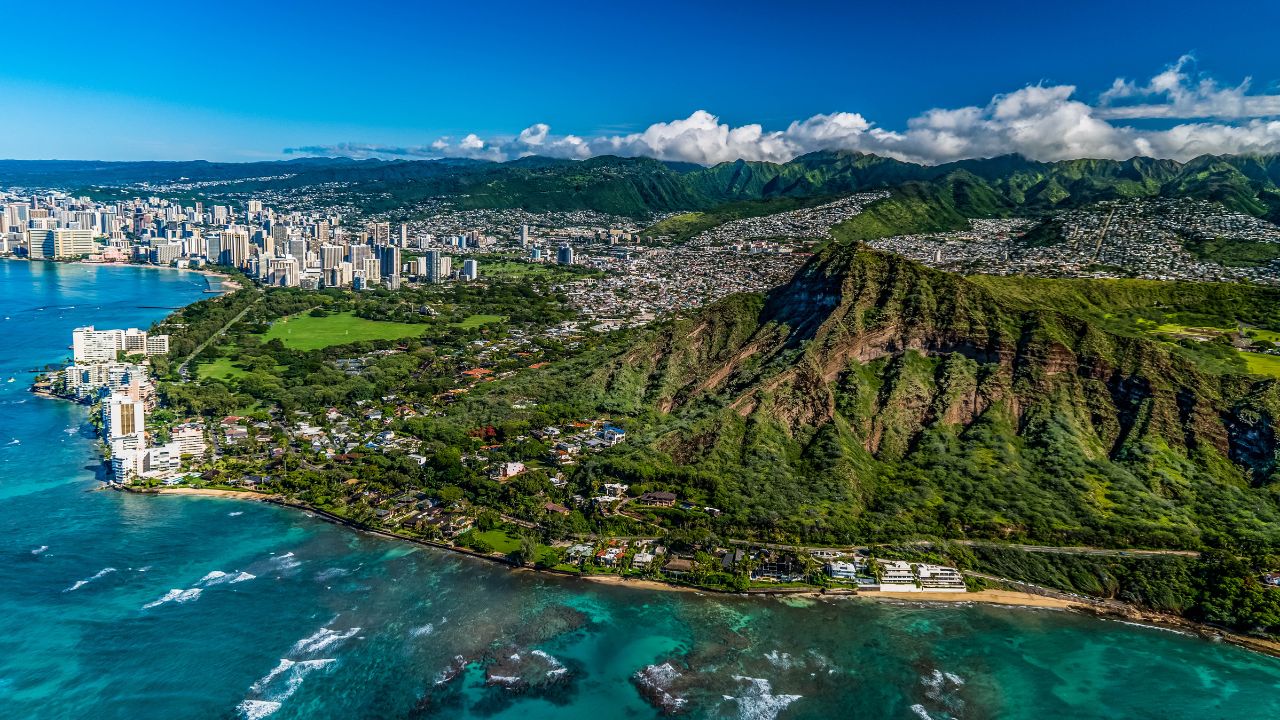
Every island boasts landmarks that are recognized globally. On Oahu, a visit to Pearl Harbor is a poignant historical experience, while a hike up Diamond Head offers panoramic views of Waikiki Beach.
On the Big Island, the Hawaii Volcanoes National Park allows visitors to witness the raw power of nature as volcanic landscapes meet the sea. Meanwhile, Maui is home to the majestic Haleakala National Park, where watching the sunrise above the clouds is a rite of passage for many visitors.
For those seeking rugged beauty, Kauai offers the Na Pali Coast, accessible only by boat, helicopter, or a strenuous hike. The dramatic emerald spires and hidden beaches here are some of the most photographed spots in the Pacific Ocean.
Cultural and Recreational Activities
The Polynesian Cultural Center on Oahu provides a deep dive into the heritage of the Pacific islands through music, dance, and traditional crafts. If you are visiting during the winter months, the North Shore of Oahu becomes a global hub for professional surfing, with waves reaching towering heights at Banzai Pipeline.
For a slower pace, the Road to Hana in Maui is a world-famous drive featuring hundreds of curves, dozens of bridges, and countless waterfalls. It is a journey that emphasizes the beauty of the destination over the speed of the arrival.
Essential Tips for a Seamless Trip
To make the most of your Hawaiian vacation, consider these practical tips designed to streamline your travel experience.
Booking and Seasonal Considerations
Hawaii is a year-round destination, but peak seasons can impact both crowds and pricing. The busiest times are typically during the winter holidays and the summer months when schools are out. If you prefer a quieter experience, consider visiting during the “shoulder seasons” of spring (April to June) or fall (September to November). During these times, the weather is consistently beautiful, but the major tourist sites like Hanauma Bay are less congested.
Packing and Preparation
Regardless of whether you need a passport, you should always carry digital and physical copies of your travel documents. This includes your flight confirmation, hotel reservations, and any rental car agreements. If you are traveling from a cold climate like Chicago or London, remember that Hawaii is consistently warm. However, if you plan to visit the summits of Mauna Kea or Haleakala, temperatures can drop below freezing, so packing layers is essential.

Respecting the Land and Culture
The concept of “Malama Hawaii”—to take care of Hawaii—is a vital part of the local travel experience. Visitors are encouraged to be mindful of the environment, use reef-safe sunscreen to protect the coral reefs, and respect local customs and sacred sites. Whether you are exploring the historical ruins in Kona or relaxing in Hilo, acting as a responsible traveler ensures these islands remain beautiful for generations to come.
In conclusion, while U.S. citizens generally do not need a passport for travel to Hawaii, the requirement for REAL ID-compliant identification and the strict rules for international visitors mean that preparation is key. By understanding the documentation needed and the unique agricultural and cultural landscape of the islands, you can ensure a stress-free journey to one of the most beautiful destinations on Earth. Whether you are coming from Germany, Canada, or just across the water from California, the spirit of the islands is ready to welcome you.
LifeOutOfTheBox is a participant in the Amazon Services LLC Associates Program, an affiliate advertising program designed to provide a means for sites to earn advertising fees by advertising and linking to Amazon.com. Amazon, the Amazon logo, AmazonSupply, and the AmazonSupply logo are trademarks of Amazon.com, Inc. or its affiliates. As an Amazon Associate we earn affiliate commissions from qualifying purchases.