
The emerald peaks and volcanic craters of Hawaii are often associated with rare tropical birds, sea turtles, and humpback whales. However, a question often posed by those exploring the deeper interiors of the islands is whether this isolated archipelago in the Pacific Ocean is home to larger land mammals. The answer is a definitive yes. While no deer are indigenous to the islands, they have become a prominent, and often controversial, fixture of the natural landscape. Today, Hawaii hosts two distinct species of deer: the Axis deer and the Columbian black-tailed deer. Their presence across the various islands—from the rugged cliffs of Molokai to the misty highlands of Kauai—has shaped the local environment, influenced history, and created a unique dynamic within the state’s natural landmarks.
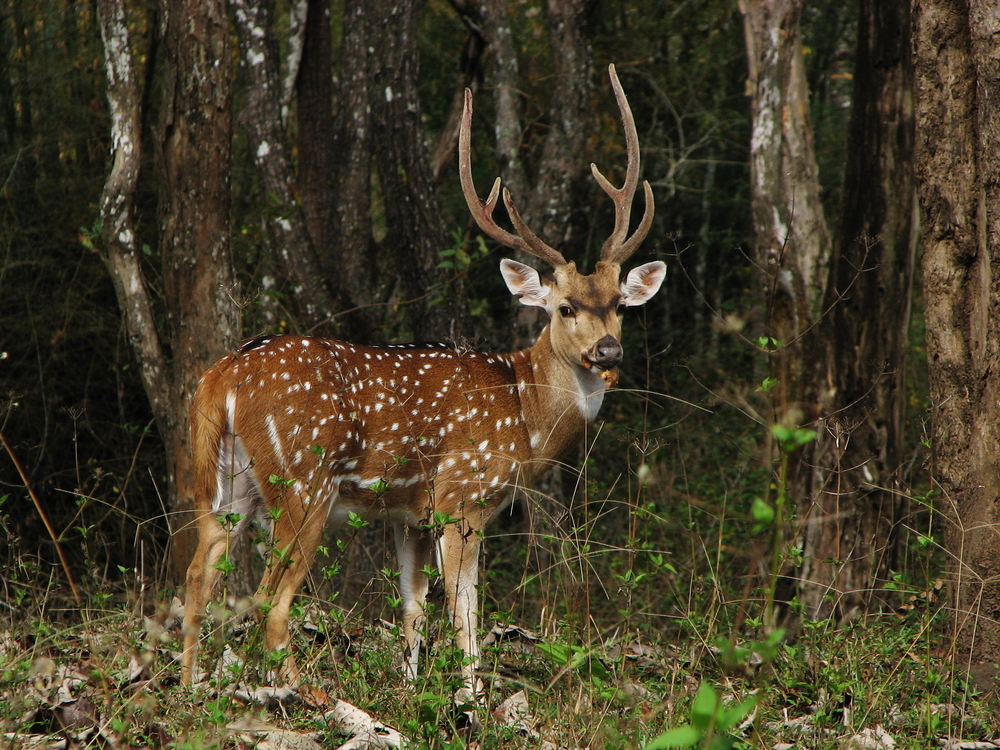
The Historical Introduction of Deer to the Hawaiian Archipelago
To understand why deer exist in a place thousands of miles from the nearest continent, one must look back to the mid-19th century. Hawaii is one of the most isolated island chains in the world, and prior to human arrival, its only native land mammal was the Hawaiian hoary bat. The introduction of deer was an intentional act of diplomacy and sport that forever altered the biological makeup of the islands.
A Gift for King Kamehameha V
The story of deer in the islands begins in 1867. King Kamehameha V, the monarch of the Kingdom of Hawaii, was known for his efforts to modernize his nation while preserving its sovereignty. During this era, it was common for world leaders to exchange exotic animals as tokens of goodwill. A small group of Axis Deer, native to India and Sri Lanka, was sent as a gift from Hong Kong.
These deer were first released on the island of Molokai. In the absence of natural predators like tigers or wolves, the population exploded. The Axis Deer found the climate of the islands to be very similar to their native Asia, allowing them to thrive and reproduce at an astonishing rate. By the early 20th century, they had been transported to Lanai and later to Maui, establishing permanent populations that continue to impact those islands today.
The Black-Tailed Deer of Kauai
While the Axis deer dominates the central islands, the island of Kauai features a different species entirely. In 1969, the Columbian black-tailed deer was introduced to the “Garden Isle.” These deer were brought over from Oregon in the United States to provide hunting opportunities in the island’s mountainous terrain.
Unlike the Axis deer, which prefer lower elevations and open grasslands, the black-tailed deer migrated toward the cooler, more precipitous regions of Kauai. They have since become a part of the ecology of the island’s western ridges, though their population remains significantly smaller than the Axis deer populations found on neighboring islands.
Geographies of Sight: Where Deer Reside in Hawaii
The distribution of deer in Hawaii is not uniform. If you are visiting Oahu to see Honolulu or the Big Island to view the volcanoes, you are unlikely to encounter wild deer. Instead, certain islands have become the primary habitats for these mammals, turning their landscapes into unique viewing grounds for wildlife enthusiasts and a challenge for local land managers.
The Axis Deer of Molokai and Lanai
On Molokai, often called the “Friendly Isle,” the deer are almost as numerous as the human residents. They roam freely through the southern coastal plains and the northern valleys. For residents of Molokai, deer are a primary food source and a staple of the local lifestyle, but their sheer numbers mean they are frequently seen crossing roads and grazing near residential areas.
On Lanai, the population density is perhaps the highest in the state. Historically known as the “Pineapple Isle,” Lanai has transitioned into a luxury destination, but its rugged interior remains a stronghold for Axis deer. Visitors often spot them while traversing the red-dirt paths of the Munro Trail or exploring the high-altitude plateaus. In Lanai City, it is not uncommon to see deer grazing on the outskirts of the town as the sun begins to set.
The Highland Range of Maui
Maui has seen the most dramatic increase in deer sightings in recent years. The population has centered around the slopes of Haleakala, the massive shield volcano that dominates the island. From the agricultural lands of Kula to the resort areas near Wailea, the deer have expanded their range significantly.
The deer on Maui are often seen in the “Upcountry” region. This area, characterized by its rolling green hills and cooler temperatures, provides the perfect habitat. However, their presence near Haleakala National Park has raised concerns about the protection of sensitive alpine environments. Travelers driving to the summit for sunrise often catch glimpses of deer darting through the brush along the roadside.
Kauai’s Rugged Interior
On Kauai, the black-tailed deer have claimed the majestic Waimea Canyon State Park as their home. This “Grand Canyon of the Pacific” offers a labyrinth of ridges and valleys where the deer can hide from view. They are most commonly spotted by hikers in Koke’e State Park, particularly in the early morning hours or late afternoon when they emerge to forage.
Unlike the Axis deer, which are social and travel in large herds, the black-tailed deer of Kauai are more reclusive. Spotting one requires a trip into the island’s interior, away from the coastal towns like Lihue or Poipu. Their presence in the native rainforests of Kauai remains a point of interest for those exploring the island’s vast trail systems.
The Ecological Impact on Hawaii’s Natural Landmarks
While the sight of a graceful deer against a backdrop of tropical flowers may seem idyllic, their presence in Hawaii comes with significant ecological consequences. Because the flora of North America or Asia evolved alongside herbivores, those plants developed thorns or toxins for protection. In contrast, many of Hawaii’s native plants evolved in complete isolation and lack these defenses.
Threats to Endemic Flora and Fauna
The deer in Hawaii are “generalist” herbivores, meaning they eat a wide variety of plant life. This includes many rare and endangered species that are found nowhere else on Earth. In places like the West Maui Mountains, deer can decimate native undergrowth, which in turn destroys the habitat for native birds and insects.
Native trees, such as the Ohi’a Lehua, are particularly vulnerable. Deer strip the bark and eat young saplings, preventing the forest from regenerating. This process can transform a lush, biodiverse rainforest into a barren landscape dominated by invasive grasses that the deer find less palatable.
Watershed Degradation and Soil Erosion
One of the most critical functions of Hawaii’s forests is their ability to act as a watershed. The native vegetation captures moisture from passing clouds, allowing it to soak into the ground and refill the aquifers that provide fresh water for the islands. When deer overgraze these areas, the soil is left exposed.
During heavy tropical rains, this exposed soil washes away, leading to massive erosion. This runoff travels down the mountain and eventually settles on the coral reefs in the Pacific Ocean. The silt can smother the coral, killing the reef and the marine life that depends on it. Thus, the presence of deer in the highlands of Molokai or Maui directly impacts the health of the famous landmarks found beneath the ocean’s surface.
Managing a Non-Native Species in a Delicate Paradise
The management of deer in Hawaii is a complex issue that requires balancing cultural traditions, environmental preservation, and the realities of modern island life. Because the deer have no natural predators, their populations must be managed by humans to prevent total ecological collapse in certain regions.
Conservation Efforts and Fencing Programs
State agencies and private conservation groups have invested millions of dollars in fencing programs. These large-scale fences are designed to keep deer out of the most sensitive ecological zones, such as the upper reaches of Haleakala or the remote bogs of Kauai. Once an area is fenced, the deer within are removed, and the native forest is allowed to recover.
These fenced areas have become landmarks of conservation success. In some parts of Maui, you can see a literal “line in the sand” where one side of a fence is a vibrant, multi-layered native forest, while the other side—accessible to deer—is an open, dusty woodland. This visual evidence highlights the profound impact these animals have on the Hawaiian environment.
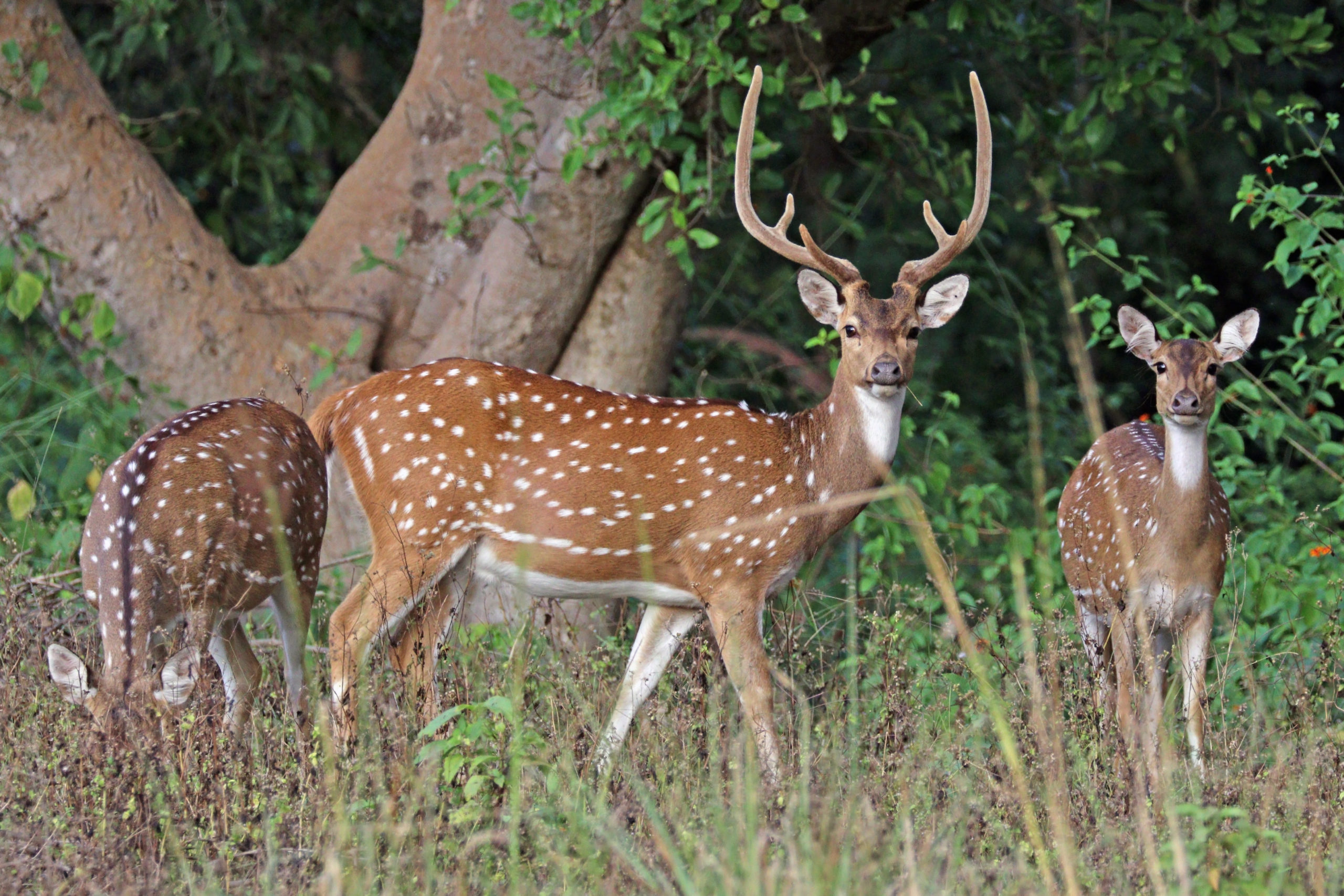
The Role of Regulated Hunting in Preservation
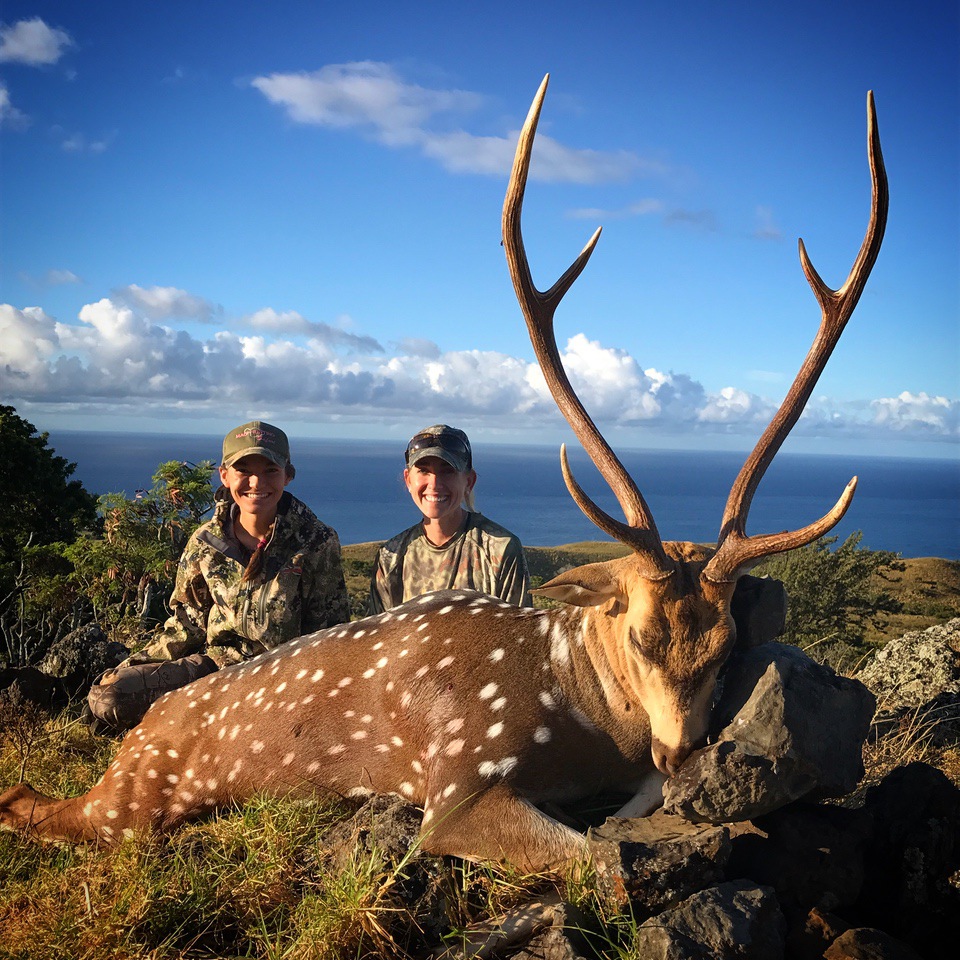
Hunting is a significant part of the culture on islands like Molokai, Lanai, and Kauai. It serves as a primary tool for population control while providing a sustainable food source for local families. The state of Hawaii regulates these activities through the Department of Land and Natural Resources, setting seasons and limits to ensure the deer are managed responsibly.
For many, the Axis deer is seen not just as an invasive species but as a resource. The meat is lean and highly prized, often finding its way into local restaurants on Maui and Oahu that specialize in “island-to-table” cuisine. This approach attempts to mitigate the damage caused by the deer by integrating them into the local economy and food system.
While the presence of deer in Hawaii was born from a royal gift and a desire for sport, they have become an inseparable part of the islands’ modern identity. From the mist-covered peaks of Waimea Canyon to the sun-drenched plains of Lanai, these animals continue to wander the landscape, serving as a reminder of the complex relationship between human history and the natural world. Whether viewed as a majestic sight or an ecological challenge, the deer of Hawaii are a testament to the ever-changing nature of the world’s most remote landmarks.
LifeOutOfTheBox is a participant in the Amazon Services LLC Associates Program, an affiliate advertising program designed to provide a means for sites to earn advertising fees by advertising and linking to Amazon.com. Amazon, the Amazon logo, AmazonSupply, and the AmazonSupply logo are trademarks of Amazon.com, Inc. or its affiliates. As an Amazon Associate we earn affiliate commissions from qualifying purchases.