
The simple answer to whether Hawaii has good seafood is a resounding yes. However, to describe the seafood of the Hawaiian Islands as merely “good” is an understatement. For the people of this archipelago, the bounty of the Pacific Ocean is more than just a menu item; it is a cultural cornerstone, a primary source of sustenance, and a vital part of the local economy. Because the islands are the most isolated population center on Earth, the connection to the sea is deeply visceral. When you eat seafood in Honolulu or Lahaina, you are often consuming fish that was swimming just hours before it reached your plate. This proximity to the source, combined with a unique “melting pot” of culinary traditions, creates a seafood experience that is virtually unparalleled in the United States.

The Cultural Roots and Traditions of Hawaiian Seafood
The excellence of seafood in Hawaii begins with its history. Long before European explorers arrived, the Native Hawaiians developed one of the most sophisticated aquaculture systems in Polynesia. This historical foundation continues to influence how locals view and value the resources of the sea today.
Ancient Fishponds and Sustainable Harvesting
The ancient Hawaiians built stone-walled fishponds, known as Loko Ia, which allowed them to cultivate fish in a controlled environment. These structures, many of which are being restored today on islands like Molokai and Oahu, demonstrate a deep understanding of marine biology and environmental balance. This ancestral respect for the ocean translates into a modern tourism culture that prioritizes fresh, high-quality catch over mass-produced, frozen imports.
The Melting Pot of Flavors
While the roots are indigenous, the “goodness” of the seafood also stems from the waves of immigration that shaped the islands. In the 19th and 20th centuries, laborers from Japan, China, the Philippines, and Portugal arrived to work on sugar plantations. They brought with them their own techniques for preparing fish—sashimi from Japan, ginger and scallion steaming from China, and various stews from Portugal. This fusion created a unique “Hawaii Regional Cuisine” where a single piece of fish might be prepared with soy sauce, Hawaiian sea salt, and tropical fruit garnishes.
Defining the Hawaiian Catch: From Ahi to Opakapaka
To appreciate the seafood in Hawaii, one must understand the specific varieties of fish that populate the local waters. Unlike the Atlantic or the Gulf of Mexico, the deep volcanic waters surrounding the islands provide a habitat for pelagic fish that are prized for their firm texture and rich flavor.
The Honolulu Fish Auction
Much of the high-end seafood found in resorts and restaurants passes through the Honolulu Fish Auction. Modeled after the famous markets in Tokyo, this is the only large-scale tuna auction in the United States. Here, local fishermen bring their daily catch of Bigeye and Yellowfin tuna, and buyers bid on individual fish based on fat content and color. This system ensures that the best seafood stays in the islands, providing a level of quality that is difficult to find on the mainland.
Essential Fish Varieties to Know
When browsing a menu in Waikiki or Kailua-Kona, you will encounter names that might be unfamiliar.
- Ahi: This refers to both Bigeye and Yellowfin tuna. It is the gold standard of Hawaiian seafood, served as sashimi, seared, or in poke.
- Mahimahi: Known globally as dolphinfish, this is a firm, white-fleshed fish with a mild flavor. It is a staple of the Hawaii tourism experience, often served grilled or in tacos.
- Ono: Also known as Wahoo, “Ono” is the Hawaiian word for “delicious.” It is a fast-moving fish with a lean, flaky texture.
- Opakapaka: The pink snapper is a local favorite, especially during the winter months. It is prized for its delicate, sweet flavor and is often served steamed or “Chinese-style” with hot oil.
- Monchong: A deep-sea pomfret that is becoming increasingly popular in high-end restaurants like Merrimans. It has a high oil content, making it incredibly buttery and moist when cooked.
Must-Try Seafood Dishes and Culinary Experiences
The true test of whether a destination has “good seafood” lies in its iconic dishes. In Hawaii, these range from humble street food to sophisticated multi-course meals.
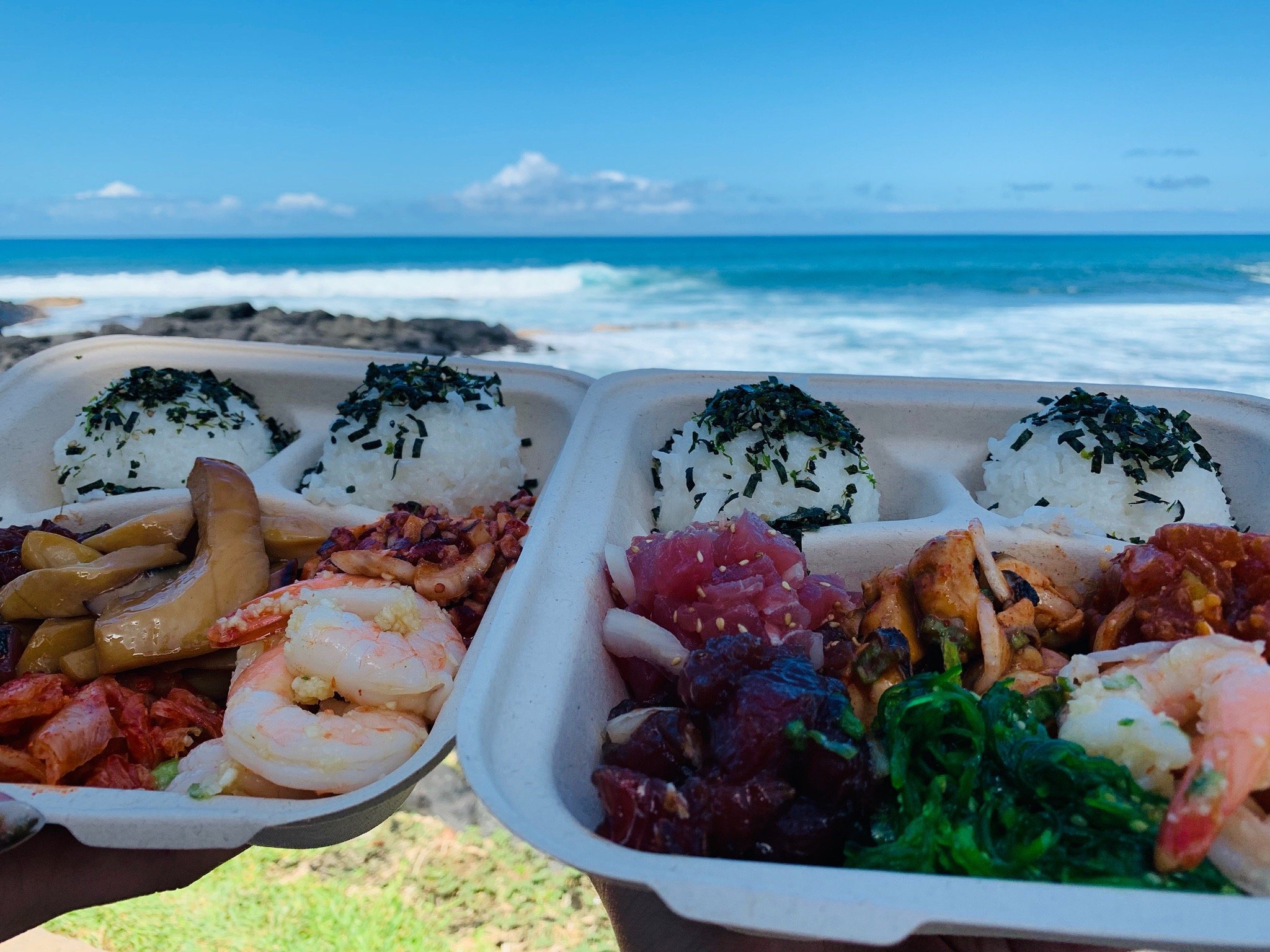
Poke: The Soul of the Islands
Poke (pronounced poh-kay) is perhaps the most famous culinary export from Hawaii. While it has become a global trend, the version you find in the islands is distinct. Traditionally, poke consists of cubed raw Ahi marinated in sea salt, limu (seaweed), and inamona (roasted kukui nut). Today, you can find dozens of variations at local grocery stores like Foodland or specialty shops in Kapahulu. The freshness of the tuna is the key; it should be translucent and firm, never mushy or treated with carbon monoxide to preserve its color.
The North Shore Shrimp Trucks
On the North Shore of Oahu, particularly in the town of Kahuku, you will find a different kind of seafood tradition. Large shrimp farms dot the landscape, and dozens of shrimp trucks serve up plates of buttery, garlic-laden prawns. Places like Giovannis Shrimp Truck have become legendary landmarks for tourists. The experience of eating fresh shrimp out of a paper plate while sitting at a picnic table in Haleiwa is a quintessential Hawaiian experience that highlights the accessibility of local seafood.
Fine Dining and Innovation
For those seeking a more refined experience, chefs like Roy Yamaguchi and Peter Merriman have spent decades perfecting seafood preparation. At Roys Waikiki, the blackened Ahi is a signature dish that has stood the test of time. These chefs work directly with local fleets to ensure they are serving species that are in season and sustainably harvested, often pairing the catch with produce grown on the Big Island or Maui.
Sustainability and the Future of Hawaii’s Fisheries
A major factor in the quality of seafood in Hawaii is the state’s commitment to sustainable fishing practices. The United States has some of the strictest fishing regulations in the world, and Hawaii is at the forefront of these efforts.
Stewardship of the Ocean
Local fishermen often use traditional “troll” or “handline” methods rather than massive industrial nets. This reduces bycatch and ensures that the fish are handled with care from the moment they are caught. Many local chefs and restaurants participate in programs that promote “underutilized” species, encouraging diners to try fish like Ta’ape (bluestripe snapper) or He’e (octopus) to reduce the pressure on popular stocks like Ahi.
The Role of Tourism in Conservation
As a visitor, your choices matter. Choosing restaurants that participate in the “Ocean Friendly Restaurants” program—an initiative often supported by organizations in Kauai and Maui—helps ensure that the seafood industry remains viable for future generations. By supporting local markets in Hilo or Paia, you are contributing to a localized food system that prioritizes quality over quantity.
Practical Tips for the Seafood-Loving Tourist
To truly find the “good” seafood in Hawaii, you need to know where and when to look.
Seasonality and Timing
While many fish are available year-round, some have specific seasons. For instance, the summer months often bring larger runs of Ahi, while the winter is better for certain bottom fish. When dining out, always ask your server what was caught that morning. If a restaurant cannot tell you where the fish came from or when it was landed, it may not be the local experience you are looking for.
Exploring Local Markets
While the resorts at Ko Olina or the Wailea coast offer spectacular seafood, some of the best meals are found in local markets. Visiting the Tamuras Fine Wine and Liquors (which, despite the name, has an incredible poke counter) or the Suisan Fish Market in Hilo allows you to see the raw product before it is prepared. This transparency is a hallmark of the Hawaii seafood scene.
Price and Value
It is important to note that “good” seafood in Hawaii is rarely cheap. The costs associated with fuel, labor, and the rigorous auction process mean that high-quality Ahi or Opakapaka will command a premium price. However, the value lies in the purity of the product. When you are eating seafood in the Hawaiian Islands, you are paying for a level of freshness that is nearly impossible to replicate elsewhere.
In conclusion, Hawaii does not just have good seafood; it has a world-class seafood culture that is deeply integrated into the daily life of its residents and the experience of its visitors. Whether you are grabbing a bowl of poke from a grocery store in Kona or enjoying a sophisticated snapper dish at a luxury resort in Kauai, the quality, variety, and cultural significance of the seafood are what make the islands a premier culinary destination in the Pacific Ocean. For anyone with a passion for the sea, Hawaii offers a taste of the ocean that is as authentic as it is delicious.
LifeOutOfTheBox is a participant in the Amazon Services LLC Associates Program, an affiliate advertising program designed to provide a means for sites to earn advertising fees by advertising and linking to Amazon.com. Amazon, the Amazon logo, AmazonSupply, and the AmazonSupply logo are trademarks of Amazon.com, Inc. or its affiliates. As an Amazon Associate we earn affiliate commissions from qualifying purchases.