
Planning a journey to the middle of the Pacific Ocean requires more than just packing sunscreen and aloha shirts. For the modern traveler, staying connected is as vital as having a valid passport or a confirmed flight. Whether you are navigating the winding curves of a rainforest road, booking a last-minute surfing lesson, or sharing a sunset over the volcanic horizon, your mobile device is your most trusted companion. One of the most common questions for those visiting from the mainland United States is whether their domestic service provider, specifically Verizon, will provide the reliability needed to explore the Hawaiian Islands without interruption.

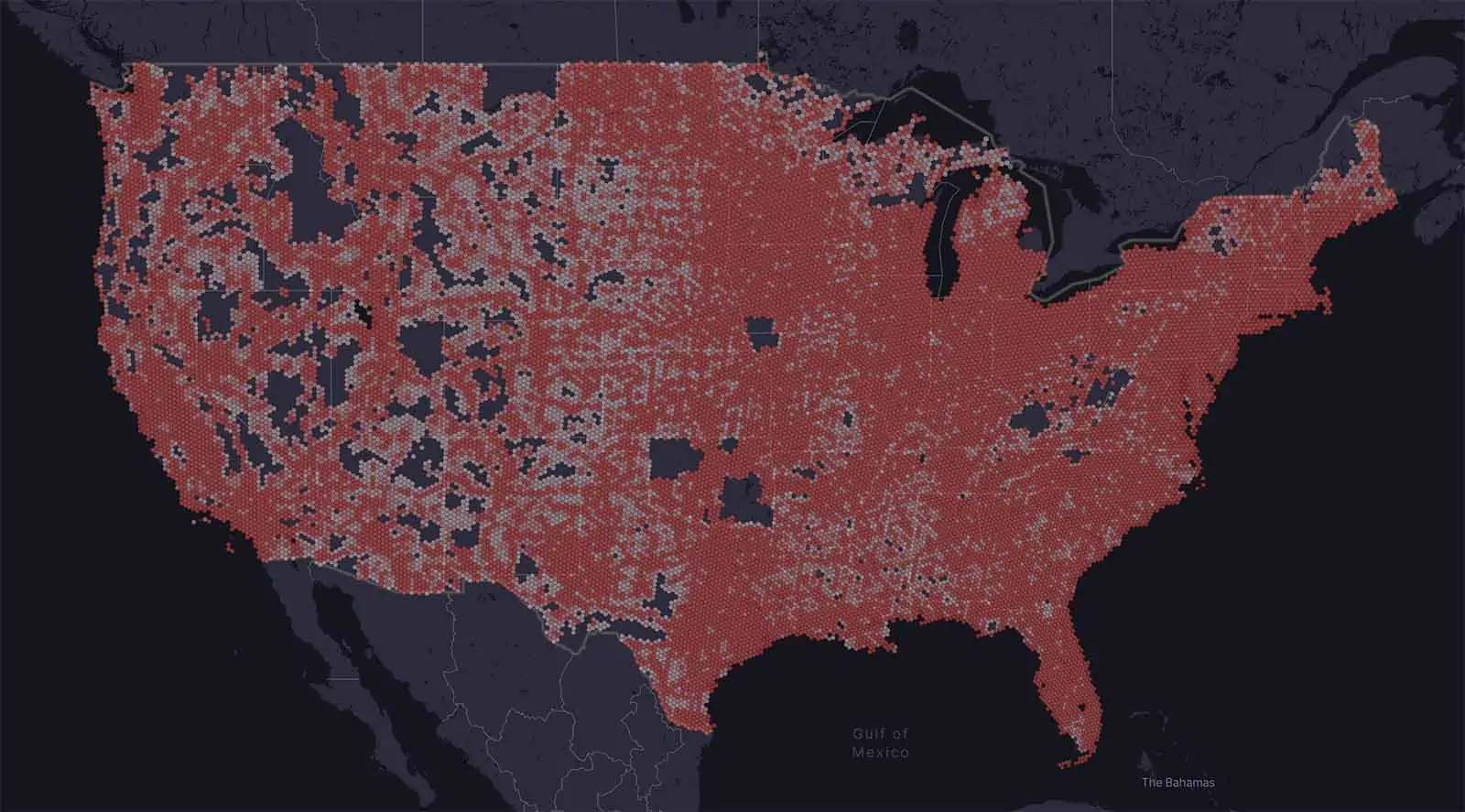
The short answer is a resounding yes. Verizon maintains a robust presence across the state, but the nuances of the tropical terrain—ranging from high-altitude volcanic peaks to dense emerald valleys—mean that the quality of your connection can vary as much as the weather. To truly maximize your travel experience, it is essential to understand how connectivity functions across the diverse landscapes of Oahu, Maui, Kauai, and the Big Island.
Reliability Across the Archipelago: Island by Island
When traveling through Hawaii, it is helpful to view the islands as individual ecosystems of connectivity. Each island has its own unique infrastructure and geographical challenges that can influence your mobile experience.
Oahu: The Hub of Connectivity
As the most populated island, Oahu offers the most seamless experience for Verizon users. In the bustling capital city of Honolulu, 5G coverage is widespread and highly reliable. Whether you are navigating the high-end boutiques of Waikiki or coordinating a tour of Pearl Harbor, you can expect speeds comparable to any major city in North America. Even as you venture toward the North Shore to watch the legendary winter swells, the signal remains remarkably consistent, though it may dip slightly in the more rural stretches of the Koolau Range.
Maui: The Valley Isle
On Maui, the connectivity experience is generally excellent in major tourist hubs like Kahului, Kihei, and Lahaina. Resort areas such as Kaanapali and Wailea are well-equipped with cellular towers, ensuring that guests at luxury stays like the Four Seasons Resort Maui enjoy uninterrupted service. However, the island’s geography presents interesting hurdles. If you are embarking on the famous Road to Hana, expect your signal to fluctuate significantly. The dense canopy and steep cliffs often block signals, creating “digital detox” zones that are perfect for immersing yourself in the scenery but less ideal for real-time navigation.
Kauai: The Garden Isle
Kauai is the oldest and most rugged of the main islands. Its circular shape and massive central mountains, including Mount Waialeale, dictate where cellular signals can reach. In the southern resort area of Poipu and the northern community of Princeville, Verizon service is strong. However, much of Kauai is inaccessible by car, and even the roads that do exist often wind through deep canyons. If your travel plans include hiking the Kalalau Trail or visiting the remote reaches of Waimea Canyon State Park, do not count on a steady data connection.
The Big Island: Expansive and Diverse
The Big Island (officially named Hawaii Island) is larger than all the other islands combined, which creates a unique challenge for service providers. In the population centers of Kona and Hilo, Verizon coverage is exceptionally strong. The vast lava fields between the two sides of the island, however, can have intermittent coverage. High-altitude locations like Mauna Kea often have surprisingly good line-of-sight signals, but the sheer scale of the island means you may find yourself in “dead zones” while traveling through more remote agricultural regions or deep south near the Punaluu Black Sand Beach.
Navigating Remote Adventures and Landmarks
For many, the draw of Hawaii lies in its natural wonders. When you are visiting famous landmarks, the quality of your cellular connection can impact everything from safety to the quality of your travel photos.
One of the most visited sites in the islands is Diamond Head State Monument. Because of its proximity to Honolulu, visitors typically enjoy full 5G bars throughout the hike, allowing for instant uploads of that iconic panoramic view. Similarly, at Pearl Harbor, the infrastructure is solid, facilitating the use of digital passes and audio guides.
However, as you move toward more adventurous destinations, the landscape changes. At Haleakala National Park on Maui, the drive up to the summit (over 10,000 feet) offers varying degrees of connectivity. Once at the summit, many travelers find that they have enough signal to check weather updates or maps, but the crater floor itself—a popular spot for backcountry hiking—is largely a cellular dead zone.
The Na Pali Coast on Kauai is perhaps the most striking example of where technology meets its limits. Whether you are viewing the towering emerald cliffs from a boat or a helicopter, your phone will likely be relegated to camera-only mode. The lack of cell towers in this uninhabited wilderness is part of what preserves its pristine, ancient atmosphere.
In Hawaii Volcanoes National Park on the Big Island, connectivity is surprisingly decent around the Kilauea Visitor Center. However, as you drive down the Chain of Craters Road toward the coast, the signal fades. This is a crucial detail for travelers who rely on digital maps to find hidden petroglyphs or specific lava tube entrances.
Practical Connectivity Tips for the Modern Traveler
To ensure your Hawaii vacation is as stress-free as possible, it is wise to prepare for the moments when your signal might fail. Connectivity is a tool that enhances the travel experience, but it should not be a single point of failure for your itinerary.
-
Download Offline Maps: Before heading out to explore the Road to Hana or the Banzai Pipeline, download the geographic area on your navigation app. This allows you to use GPS functions without needing an active data connection.
-
Understand Roaming and Billing: For travelers coming from the mainland United States, Verizon treats Hawaii as a domestic location. This means there are no roaming charges, and your standard data, talk, and text plan applies. This is a significant advantage over international travel, where data costs can be prohibitive. If you are an international traveler visiting from Canada or Japan using a Verizon partner, ensure your travel pass is activated.
-
Power Management: The combination of searching for signals in remote areas and taking hundreds of photos of places like Waimea Canyon can drain a battery rapidly. Always carry a portable power bank, especially if you are using your phone for navigation during a day-long island tour.
-
Public Wi-Fi Availability: Most major airports, such as Daniel K. Inouye International Airport, and large resorts offer complimentary Wi-Fi. However, for those working remotely or “bleisure” travelers (combining business and leisure), relying on hotel Wi-Fi can be hit or miss. Having a Verizon hotspot as a backup is a smart move for those staying at boutique properties in Hanalei or Hilo.

Why Connection Matters for the Hawaii Experience
In the past, travel was dictated by paper maps and guidebooks. Today, the travel experience in Hawaii is deeply integrated with digital tools. Connectivity allows you to check real-time traffic updates on the H-1 Freeway, which can be notoriously congested during rush hour in Honolulu. It allows you to monitor ocean conditions and surf reports at Sunset Beach to ensure safety before entering the water.
Furthermore, many of Hawaii’s best culinary experiences are found off the beaten path. From shrimp trucks on the North Shore to small poke shops in Kapaa, having a reliable data connection allows you to read reviews and find these hidden gems. Booking reservations for a luau at Old Lahaina Luau or securing a spot for a snorkel trip to Molokini Crater often requires instant online access.
Beyond the logistical benefits, staying connected enables a more spontaneous type of travel. You might be driving through Upcountry Maui and decide on a whim to visit a lavender farm or a local winery. With a quick search, you can check opening hours and directions immediately.
Ultimately, Verizon provides the coverage necessary to navigate the complexities of the islands while offering the peace of mind that you can reach out for help or information whenever needed. While the goal of many travelers is to “unplug,” the reality of exploring a place as diverse and dynamic as Hawaii is that a little bit of connectivity goes a long way in making your trip smoother, safer, and more memorable. From the white sands of Kaanapali to the lush cliffs of the Na Pali Coast, your ability to connect with the world ensures you can focus on what truly matters: connecting with the spirit of aloha.
LifeOutOfTheBox is a participant in the Amazon Services LLC Associates Program, an affiliate advertising program designed to provide a means for sites to earn advertising fees by advertising and linking to Amazon.com. Amazon, the Amazon logo, AmazonSupply, and the AmazonSupply logo are trademarks of Amazon.com, Inc. or its affiliates. As an Amazon Associate we earn affiliate commissions from qualifying purchases.