
The dream of visiting Hawaii is a global phenomenon, drawing millions of travelers each year to its volcanic shores, emerald valleys, and pristine beaches. Located in the heart of the Pacific Ocean, this isolated archipelago is the most remote populated landmass on Earth. Because of its unique geography, reaching the islands requires specific logistical planning, whether you are arriving from the mainland United States, Asia, or Oceania. Understanding the various gateways, transport modes, and inter-island connections is essential for crafting a seamless journey to paradise.
Navigating the Major Air Hubs and Flight Routes
The primary method of reaching the Hawaiian Islands is by air. While the state comprises eight main islands, four primary airports serve as the main entry points for the vast majority of visitors. Each gateway offers a different introduction to the local culture and geography.
Arriving via Daniel K. Inouye International Airport in Honolulu
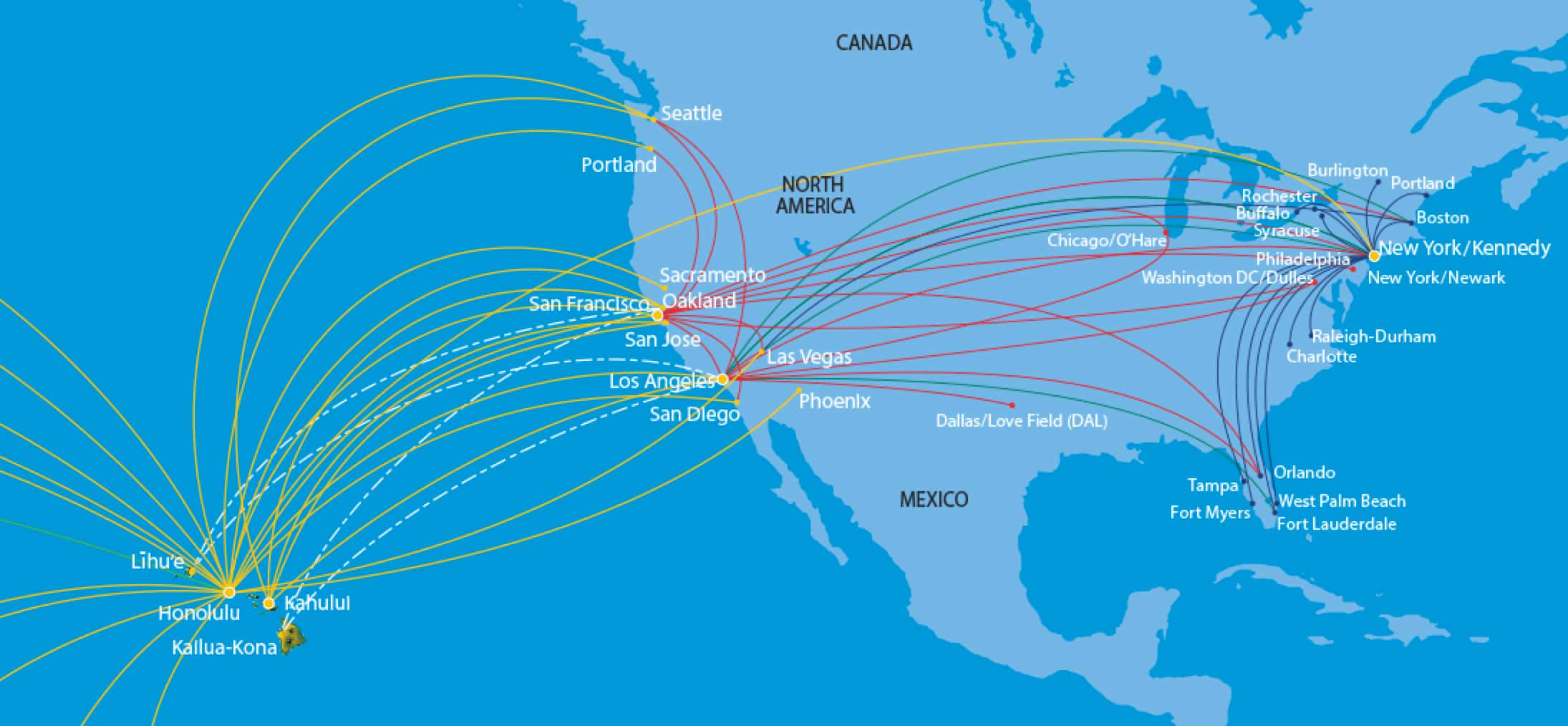
For most international and long-haul travelers, the journey begins at Daniel K. Inouye International Airport. Located in Honolulu on the island of Oahu, this is the busiest airport in the state and serves as the primary hub for Hawaiian Airlines. It is the gateway for visitors coming from North America, as well as major international cities such as Tokyo, Sydney, Seoul, and Auckland.
The airport is architecturally unique, featuring open-air corridors and lush tropical gardens that provide an immediate sense of place. From Honolulu, travelers have easy access to the world-famous Waikiki beach, historical landmarks like Pearl Harbor, and the volcanic crater of Diamond Head. Most major carriers, including United Airlines, Delta Air Lines, and American Airlines, offer frequent daily service to this hub from West Coast cities like Los Angeles, San Francisco, and Seattle.
Exploring Direct Routes to Maui, Kauai, and The Big Island
While Honolulu is the main hub, many travelers choose to fly directly to the “Neighbor Islands” to avoid the bustle of the capital city. Kahului Airport on the island of Maui is the second busiest airport in the state. Direct flights to Maui are common from major hubs in California, Texas, and even the East Coast. Landing here places you within a short drive of the luxury resorts in Kapalua or the start of the scenic Hana Highway.
If your destination is the lush, “Garden Isle,” you will land at Lihue Airport on Kauai. This airport is smaller and offers a more intimate arrival experience, surrounded by the dramatic cliffs and greenery that the island is known for. It provides quick access to Poipu in the south and Princeville in the north.
For those heading to The Big Island, there are two distinct choices. Ellison Onizuka Kona International Airport on the west side serves the sun-drenched resorts of the Kona coast. On the east side, Hilo International Airport is the primary gateway for those looking to explore Volcanoes National Park. Choosing the correct airport on The Big Island is vital, as the drive between the two sides can take several hours across the rugged volcanic landscape.
Inter-Island Transportation: Moving Through the Archipelago
Once you have arrived in the state, the question shifts from how to get to Hawaii to how to move between its diverse islands. Because the islands are separated by deep-sea channels with unpredictable currents, the logistics of inter-island travel are predominantly handled by regional aviation.
The Role of Regional Airlines
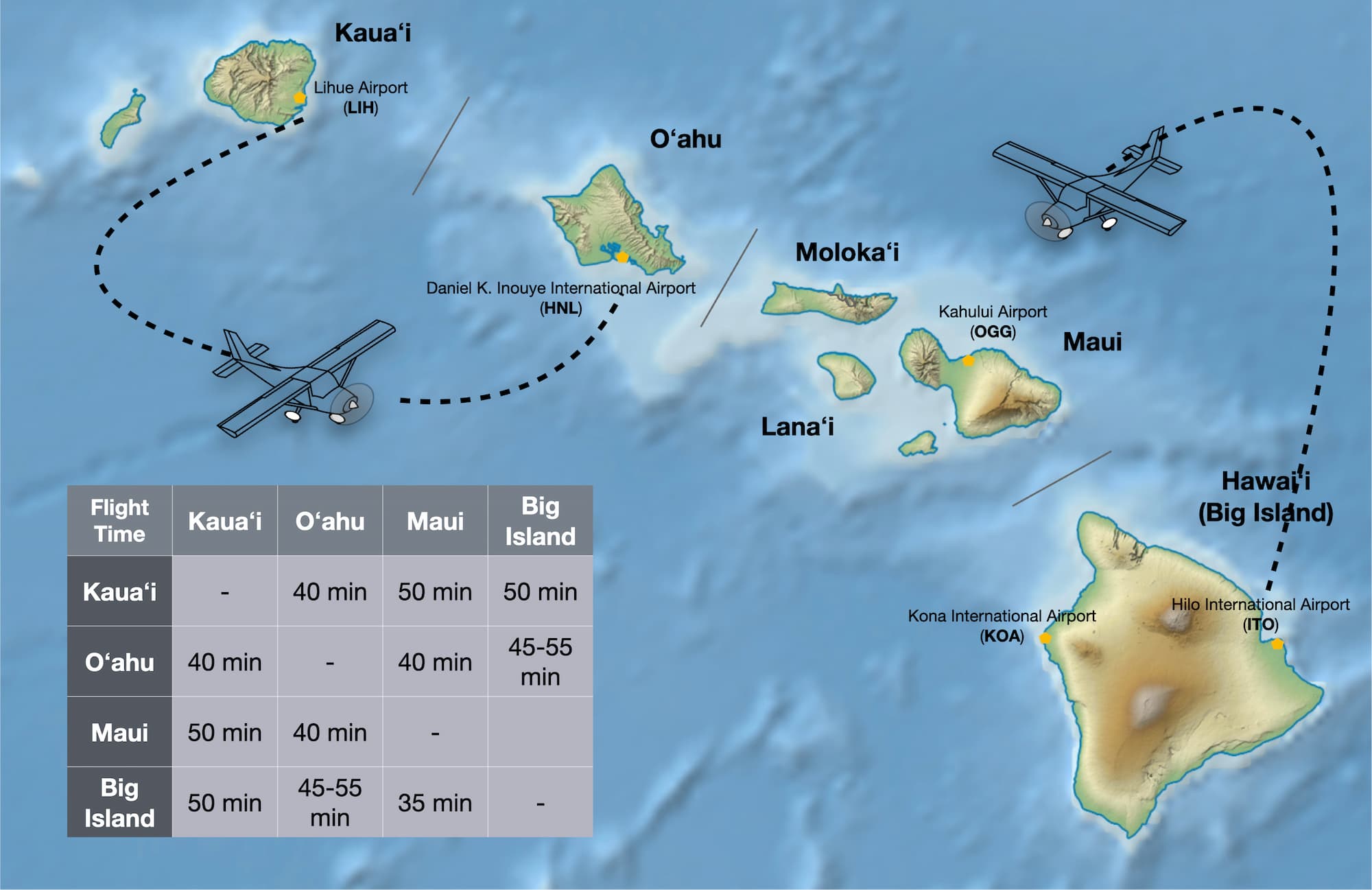
The backbone of inter-island travel is the short-haul flight. Hawaiian Airlines operates a robust “shuttle” service, with flights departing nearly every hour between the major islands. These flights are typically very short—ranging from 20 to 50 minutes—and offer stunning aerial views of the Pacific Ocean and the island coastlines.
In recent years, Southwest Airlines has expanded its presence in the market, offering competitive inter-island routes that have made hopping between Oahu, Maui, Kauai, and The Big Island more accessible than ever. For those looking to reach the smaller, more rural islands like Molokai or Lanai, smaller commuter carriers like Mokulele Airlines provide essential services. These flights often use smaller Cessna aircraft, flying at lower altitudes and providing a more “flight-seeing” type of experience.
Ferry Services and Ocean Crossings
A common misconception among travelers is that there is a comprehensive ferry system connecting all the islands. In reality, there is only one major public ferry service currently operating. The Manele Koele Lanai Ferry connects Lahaina Harbor on Maui to Manele Harbor on Lanai. This crossing takes approximately 45 to 60 minutes and is a popular way for visitors to enjoy a day trip to the secluded beaches of Lanai. During the winter months, this ferry route becomes an unplanned whale-watching tour, as humpback whales frequent the Maui Channel.
Beyond this specific route, there are no passenger ferries connecting Oahu to the other islands. Travelers wishing to transport vehicles or large goods must use specialized barge services, but for the average tourist, the lack of a ferry means that flying is the only practical option for island hopping.
Arriving by Sea: The Cruise Experience to the Islands
For those who prefer the slow travel movement, reaching Hawaii by sea offers a nostalgic and luxury-oriented alternative to flying. There are two primary ways to experience Hawaii via cruise ship: transpacific voyages and intra-island cruises.
Transpacific Voyages from North America
Major cruise lines such as Princess Cruises, Holland America Line, and Celebrity Cruises offer itineraries that depart from West Coast ports like Los Angeles, San Diego, San Francisco, and Vancouver. These voyages typically involve four to five days at sea across the Pacific Ocean before reaching the first Hawaiian port of call.
Due to the Passenger Vessel Services Act, foreign-flagged ships departing from the United States must visit a foreign port before returning. This often results in itineraries that include a stop in Ensenada, Mexico, or Victoria, Canada. For travelers with the luxury of time, these “round-trip” cruises from the mainland provide a grand sense of the vastness of the ocean and the isolation of the islands.
Intra-Island Cruises with the Pride of America
The most famous way to see the islands by sea without the long transpacific crossing is via the Pride of America, operated by Norwegian Cruise Line. As a U.S. flagged vessel, it is the only large cruise ship allowed to sail itineraries exclusively within the Hawaiian Islands without stopping at a foreign port.
The ship sails year-round out of Honolulu and visits Kahului on Maui, Hilo and Kona on The Big Island, and Nawiliwili on Kauai. This is a unique way to “get to” and “move through” the islands, as the ship serves as both transportation and accommodation, allowing travelers to wake up in a new destination almost every morning.
Planning Your Arrival Based on the Island Experience
How you get to Hawaii should be dictated by the type of experience you seek. Each island requires different logistical considerations upon arrival to ensure the transition from the airport or port to your final destination is smooth.
Oahu: The Urban and Historical Gateway
If your goal is to immerse yourself in the history of Pearl Harbor or the surf culture of the North Shore, Oahu is your starting point. Upon landing at Daniel K. Inouye International Airport, visitors have the most diverse ground transportation options. The Skyline (Honolulu’s rail system) and a robust bus network provide public transit, while ride-sharing and traditional car rentals are plentiful. However, traffic in Honolulu is notoriously heavy, so timing your arrival and departure from the airport is a key logistical detail.
Maui and the Big Island: The Need for Independence
For those landing in Kahului or Kona, renting a vehicle is almost mandatory. These islands are sprawling, and the “best” parts of the destination—such as Haleakala National Park on Maui or the coffee farms of Kona—are not easily accessible by public transport. When planning how to get to these islands, ensure that you book your car rental simultaneously with your flight, as vehicle availability can fluctuate significantly during peak travel seasons like Christmas or summer break.

Kauai: Reaching the Remote Wilderness
Reaching Kauai often feels like a journey back in time. After landing in Lihue, many travelers opt for helicopter tours departing right from the vicinity of the airport. This is because much of Kauai, including the majestic Napali Coast and the deep crevices of Waimea Canyon, is inaccessible by car. Getting to Kauai by air is just the first step; to truly “get to” the heart of the island, you may need to rely on hiking boots, kayaks, or aerial transport.
Whether you choose a non-stop flight from Japan, a luxury cruise from California, or a quick inter-island hop on a regional jet, the journey to Hawaii is a vital part of the adventure. By selecting the right gateway and understanding the nuances of inter-island logistics, you can ensure that your arrival in the Aloha State is as breathtaking as the destination itself.
LifeOutOfTheBox is a participant in the Amazon Services LLC Associates Program, an affiliate advertising program designed to provide a means for sites to earn advertising fees by advertising and linking to Amazon.com. Amazon, the Amazon logo, AmazonSupply, and the AmazonSupply logo are trademarks of Amazon.com, Inc. or its affiliates. As an Amazon Associate we earn affiliate commissions from qualifying purchases.