
The vast expanse of the Pacific Ocean serves as both a barrier and a bridge between two of the most iconic island destinations in the world. For travelers standing on the shores of Waikiki, the idea of Japan often feels like a distant neighbor, separated only by a long stretch of blue. Conversely, for those navigating the neon-lit streets of Tokyo, the tropical allure of Hawaii represents the ultimate getaway. Understanding how close these two regions are involves more than just measuring nautical miles; it requires a look at the logistical connections, cultural overlaps, and the travel experiences that link the United States to the land of the rising sun.

Mapping the Distance: The Geographic Reality
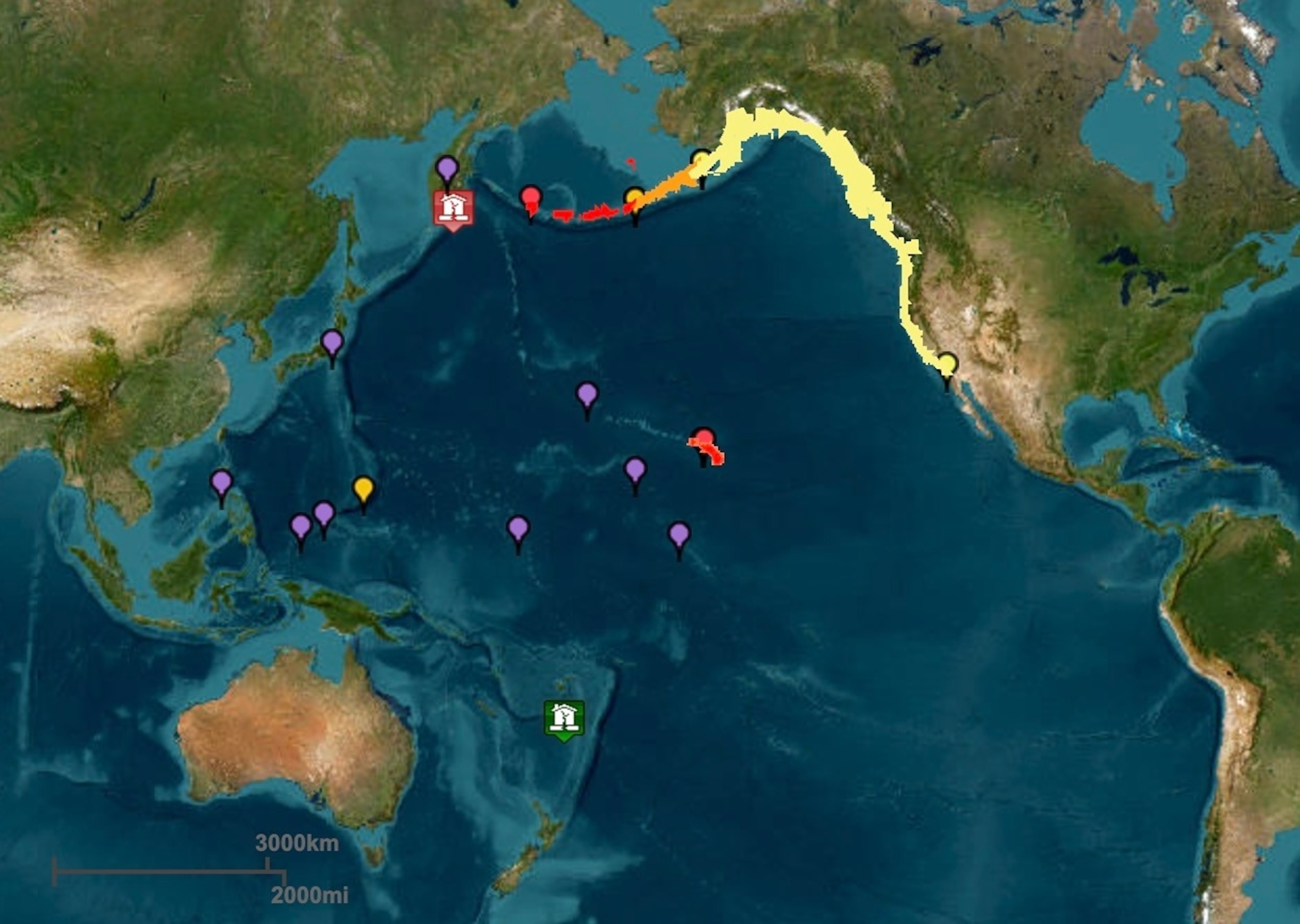
When we ask how close Hawaii is to Japan, the answer is a matter of both geography and time. The physical distance between the two is approximately 3,850 miles (6,195 kilometers). While this might seem like a staggering figure, in the context of the massive Pacific Ocean, they are relatively close neighbors. Hawaii is located nearly in the center of the northern Pacific Ocean, making it one of the most isolated island chains on Earth. However, its position makes it a strategic midpoint for trans-Pacific travel.
Flight Durations and Air Routes
The most practical way to measure the distance is through flight time. A direct flight from Daniel K. Inouye International Airport in Honolulu to Narita International Airport or Haneda Airport in Tokyo typically takes between 7.5 and 9 hours. The variation in time is largely due to the prevailing jet streams. Heading west from Hawaii toward Japan, aircraft often face headwinds, which can lengthen the journey. On the return trip, these same winds act as a tailwind, often shaving an hour or more off the flight time.
Travelers departing from Osaka via Kansai International Airport will find similar flight durations. This makes the journey shorter than a flight from Japan to New York City or London, positioning Hawaii as a more accessible “Western” destination for Japanese tourists compared to mainland North America.
The International Date Line Factor
One of the most interesting aspects of the proximity between Hawaii and Japan is the crossing of the International Date Line. When traveling from Honolulu to Tokyo, you essentially “lose” a day, arriving the next afternoon or evening. When returning from Japan to Hawaii, you “gain” time, often arriving in Honolulu on the same day you left, sometimes even at an earlier hour than your departure. This temporal phenomenon is a constant reminder of the vast distance and the unique longitudinal relationship between these two regions.
A Shared Heritage: Cultural and Historical Proximity
The closeness of Hawaii and Japan is not merely measured in miles, but in the deep cultural threads that have bound them together for over a century. The history of Japanese migration to the islands has left an indelible mark on the lifestyle, cuisine, and social fabric of Hawaii.
The Legacy of Migration
In the late 19th century, specifically starting around 1885, large numbers of Japanese laborers began arriving in Hawaii to work on the burgeoning sugar plantations. This migration was a pivotal moment for both nations. Today, a significant portion of the population on islands like Oahu and Maui identifies as having Japanese ancestry. This demographic link makes Hawaii feel like a home away from home for many travelers from Japan.
Culinary Fusion and Daily Life
The cultural proximity is most evident in the food. The “plate lunch,” a staple of Hawaiian cuisine, is a direct descendant of the Japanese bento box. Items like spam musubi, which combines rice, seaweed, and canned meat, are a testament to this fusion. In Honolulu, it is common to see signs in both English and Japanese, and many businesses cater specifically to Japanese visitors.
Furthermore, spiritual connections are visible through landmarks like the Byodo-In Temple in Oahu. This stunning replica of a 900-year-old Buddhist temple in Uji, Japan, was built to commemorate the 100th anniversary of the first Japanese immigrants to Hawaii. Such landmarks serve as physical manifestations of the bridge between the two cultures.
Navigating the Travel Experience: Hawaii to Japan
For many global travelers, Hawaii serves as the perfect “stepping stone” to exploring East Asia. A multi-destination itinerary that includes both the Hawaiian Islands and the major cities of Japan offers a contrast that few other trips can match.
From the Beaches of Waikiki to the Streets of Ginza
The transition from the laid-back island life of Hawaii to the high-energy urban centers of Japan is a fascinating experience. In Honolulu, the focus is often on nature, whether it is hiking the trails of Diamond Head or learning about history at Pearl Harbor. However, once you cross the Pacific Ocean and land in Tokyo, the environment shifts to ultra-modern architecture, intricate train systems, and the luxury shopping districts of Ginza.
Natural Wonders: Mauna Kea and Mount Fuji
Both regions are defined by their volcanic activity. In Hawaii, the Hawaii Volcanoes National Park on the Big Island allows visitors to witness the creation of new land in real-time. Similarly, Mount Fuji in Japan is a sacred symbol of the nation’s natural beauty and geological history. Travelers who appreciate nature can find a thematic link between the lush, tropical peaks of Kauai and the snow-capped majesty of the Japanese Alps.
Seasonal Considerations for Travelers
When planning a trip between Hawaii and Japan, seasonality is a key factor. Hawaii maintains a relatively consistent tropical climate year-round, but Japan experiences four distinct seasons. A traveler might leave the sunny beaches of Maui in April to arrive in Kyoto just in time for the cherry blossom season. Alternatively, leaving Hawaii in January provides the opportunity to experience the world-class skiing in Hokkaido. This variety makes the relatively short flight distance even more appealing for those looking for diverse seasonal activities.
Essential Destinations for a Trans-Pacific Itinerary
If you are looking to bridge the gap between these two locations, certain destinations stand out as essential stops. These landmarks and cities provide the best insight into how Hawaii and Japan interact.
Honolulu and Oahu
As the primary hub, Honolulu is the starting point for most travelers heading west. Beyond the beaches, the Polynesian Cultural Center offers a look at the broader Pacific heritage that Hawaii shares with other island nations. For history enthusiasts, Pearl Harbor is a mandatory visit, providing a solemn look at the events of World War II that fundamentally changed the relationship between the United States and Japan.
Tokyo and the Kanto Region
Upon arriving in Japan, Tokyo is the gateway to the rest of the country. From the historic temples of Asakusa to the frantic crowds of Shibuya Crossing, the city is a masterclass in balancing tradition with technology. For a quieter experience, a short trip to Kamakura offers coastal views and giant bronze statues of Buddha, echoing some of the serene island vibes found in the Pacific.
The Big Island and Kona
For those traveling from Japan to Hawaii, the Big Island offers a raw look at volcanic landscapes. The towns of Hilo and Kona have distinct personalities, with Hilo retaining a historic charm that feels deeply connected to the plantation era, while Kona serves as a sun-drenched resort hub.
Kyoto and Osaka
No trip to Japan is complete without visiting Kyoto, the cultural heart of the nation. Its thousands of temples and traditional tea houses offer a spiritual depth that complements the natural beauty of Hawaii. Nearby Osaka provides a more boisterous experience, known for its street food and vibrant nightlife, particularly in the Dotonbori district.
Practical Tips for the Journey
Traveling between Hawaii and Japan requires some preparation to ensure a smooth transition between these two distinct cultures.
- Visa Requirements: Travelers from the United States visiting Japan for tourism typically do not need a visa for short stays, but it is always essential to check the latest requirements from the Ministry of Foreign Affairs of Japan. Likewise, Japanese citizens must apply for an ESTA before traveling to the United States.
- Currency and Payments: While credit cards are widely accepted in both Hawaii and major Japanese cities, Japan remains more cash-dependent in smaller towns and traditional markets. Carrying some Japanese Yen alongside your US Dollars is advisable.
- Connectivity: Portable Wi-Fi devices, often called “pocket Wi-Fi,” are incredibly popular and useful in Japan. In Hawaii, local SIM cards or roaming plans from major providers are standard.
- Language: In Hawaii, English is the primary language, but a few words of Hawaiian like “Aloha” and “Mahalo” go a long way. In Japan, while English is taught in schools, learning basic phrases in Japanese can significantly enhance your travel experience.
The Pacific Bridge
So, how close is Hawaii to Japan? Geographically, they are separated by thousands of miles of ocean. Logistically, they are linked by a comfortable day’s flight. Culturally, however, they are closer than many people realize. The influence of Japan is everywhere in Hawaii, and the island spirit of the Pacific is a major draw for Japanese travelers.
Whether you are exploring the Midway Atoll or watching the sunset over Lanai, the presence of Japan is felt in the history of the people and the flavors of the food. For the modern traveler, this proximity offers a unique opportunity to see two of the most beautiful and culturally rich places on the planet in a single, well-planned journey. The Pacific Ocean may be vast, but the connection between Hawaii and Japan is an enduring testament to the power of shared history and mutual admiration.
LifeOutOfTheBox is a participant in the Amazon Services LLC Associates Program, an affiliate advertising program designed to provide a means for sites to earn advertising fees by advertising and linking to Amazon.com. Amazon, the Amazon logo, AmazonSupply, and the AmazonSupply logo are trademarks of Amazon.com, Inc. or its affiliates. As an Amazon Associate we earn affiliate commissions from qualifying purchases.