
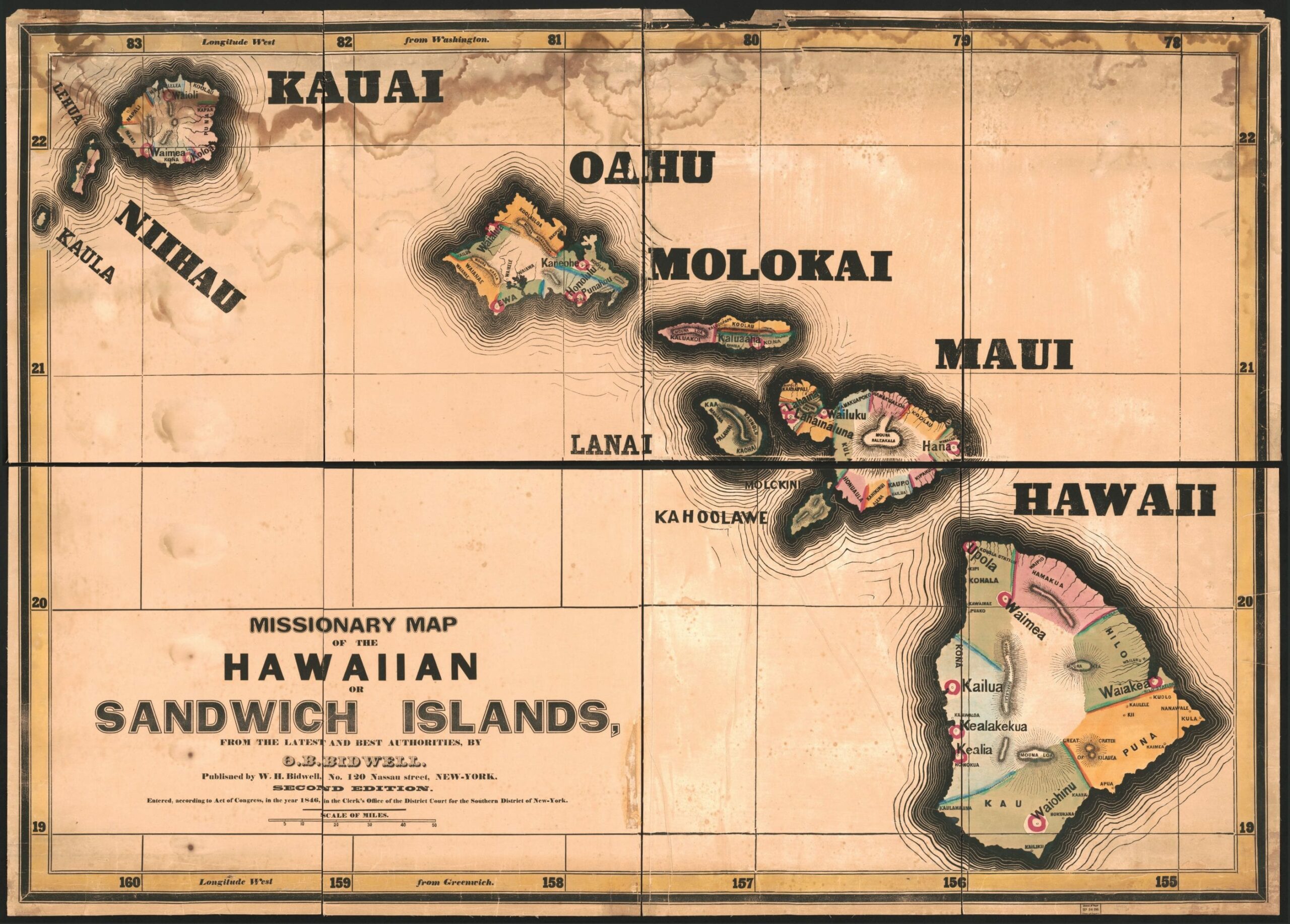
The story of how the United States gained Hawaii is a complex narrative of diplomacy, economic ambition, and the transformation of a sovereign kingdom into a strategic American outpost. Nestled in the heart of the Pacific Ocean, this archipelago has long served as a vital bridge between North America and Asia. For the modern traveler and history enthusiast, understanding how these islands became the 50th state requires a journey through the landmarks and sites that bore witness to the end of the Hawaiian Kingdom. From the majestic halls of Iolani Palace to the solemn memorials at Pearl Harbor, the history is etched into the very soil of Oahu and its sister islands.
The Path from Kingdom to Territory: A Historical Overview
Long before the first American missionaries arrived, the islands were a collection of independent chiefdoms. It was not until the late 18th century that King Kamehameha I unified the islands into a single kingdom. This era of unification saw the beginning of significant foreign contact, starting with the arrival of Captain James Cook at Waimea Bay on the island of Kauai. This initial contact opened the floodgates for explorers, traders, and eventually, the people who would change the political landscape of the islands forever.
The Rise of the Sugar Industry and Economic Dependency
By the mid-1800s, the economic landscape of Hawaii was dominated by the sugar industry. American businessmen established vast plantations, fundamentally altering the demographics of the islands by bringing in laborers from China, Japan, and the Philippines. These plantation owners, often referred to as the “Sugar Kings,” gained immense wealth and political influence. To ensure the profitability of their exports, they sought favorable trade agreements with the United States.
The Reciprocity Treaty of 1875 was a turning point. It allowed Hawaiian sugar to enter the American market duty-free, creating an economic boom. However, this prosperity came with a catch: it made the Hawaiian Kingdom financially dependent on Washington DC. When the treaty was renewed in 1887, the United States demanded exclusive rights to use Pearl Harbor as a naval base, cementing the strategic military value of the islands.
The Bayonet Constitution and the Erosion of Sovereignty
The political climate reached a boiling point in 1887. A group of armed businessmen and politicians, known as the Hawaiian League, forced King Kalakaua to sign a new constitution at gunpoint. Known historically as the Bayonet Constitution, this document stripped the monarchy of much of its power and disenfranchised native Hawaiians and Asian immigrants by implementing strict property and income requirements for voting. This shifted the balance of power toward the American and European elite, setting the stage for the eventual overthrow of the monarchy.
Key Landmarks of the Monarchy’s Final Years
To understand the weight of Hawaii’s transition, one must visit the architectural landmarks in Honolulu that served as the backdrop for these historical shifts. These sites are not merely tourist attractions; they are the physical manifestations of a lost sovereignty and a burgeoning American territory.
Iolani Palace: The Seat of Power
Iolani Palace stands as the only royal palace on American soil. Completed in 1882 for King Kalakaua, it was a symbol of the kingdom’s modernity and prestige, featuring electricity and telephones before the White House. However, the palace also became the site of the monarchy’s tragic end. It was here that Queen Lili’uokalani, the last reigning monarch, was placed under house arrest following a failed attempt to restore the kingdom in 1895. Visitors today can walk through the throne room and the private quarters where the Queen spent her days in confinement, sewing a quilt that remains a poignant artifact of her struggle.
Ali’iolani Hale and the Committee of Safety
Directly across from the palace is Ali’iolani Hale, which currently houses the Hawaii State Supreme Court. During the late 19th century, it was the seat of the government administration. In January 1893, the Committee of Safety, a group of thirteen men committed to the annexation of Hawaii, gathered near this building to declare the end of the monarchy. Supported by United States Marines from the USS Boston, they established a provisional government, effectively seizing control of the capital.
Washington Place
A short walk from the palace leads to Washington Place, the former home of Queen Lili’uokalani. This Greek Revival mansion served as the executive mansion for the Governors of Hawaii for many years and is now a historic site. It represents the personal side of the political upheaval, as it was the place the Queen returned to after her imprisonment and where she continued to advocate for her people until her death in 1917.
The 1893 Overthrow and the Provisional Government
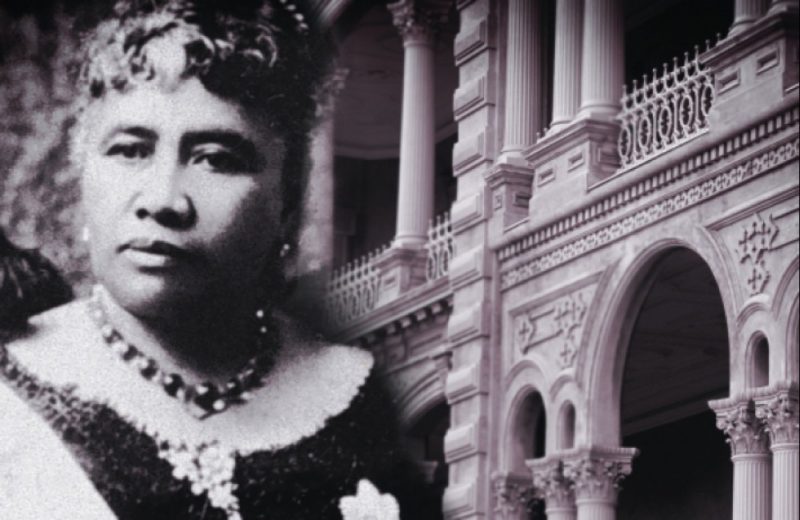
The actual “gaining” of Hawaii by the United States did not happen overnight; it was a protracted process involving political maneuvering in both Honolulu and Washington DC.
The Role of Queen Lili’uokalani
When Queen Lili’uokalani ascended the throne in 1891, she sought to introduce a new constitution that would restore power to the monarchy and voting rights to her people. This was seen as a direct threat to the American business interests. The subsequent overthrow in 1893 was characterized by the Queen’s decision to surrender her authority temporarily to the United States government rather than the provisional government, believing that President Grover Cleveland would investigate the matter and restore her to the throne.
While President Grover Cleveland did indeed find the overthrow to be an “act of war” and called for the restoration of the monarchy, the provisional government, led by Sanford B. Dole, refused to step down. They declared the Republic of Hawaii in 1894, waiting for a more favorable American administration to pursue annexation.
Annexation and the Spanish-American War
The tide turned with the election of President William McKinley and the outbreak of the Spanish-American War in 1898. The United States needed a mid-Pacific coaling station to support its fleet in the Philippines. The strategic necessity of Hawaii suddenly outweighed the constitutional and moral debates regarding how the islands were acquired.
The Newlands Resolution was passed by Congress and signed by President William McKinley in July 1898, officially annexing the islands. Hawaii was organized as a territory in 1900, with Sanford B. Dole serving as its first governor. This marks the moment when the United States formally gained the islands, though the process was viewed as an illegal seizure by many native Hawaiians.
Exploring Hawaii’s Historical Legacy Today
For those visiting Hawaii today, the transition from kingdom to state is visible in many landmarks that have since become integral to the American identity of the islands.
Pearl Harbor: A Turning Point in US-Hawaii Relations
Perhaps no landmark is more synonymous with American Hawaii than Pearl Harbor. While the base was established due to the annexation, the events of December 7, 1941, forever bonded Hawaii to the rest of the United States in a shared national tragedy. The USS Arizona Memorial and the Battleship Missouri Memorial are essential visits for anyone wishing to understand the military importance of the islands and the catalyst that eventually led to the 1959 statehood movement.
Preserving Culture at the Bishop Museum
To see the history from the perspective of the Hawaiian people, the Bernice Pauahi Bishop Museum in Honolulu is the premier destination. Founded in 1889 in honor of Princess Bernice Pauahi Bishop, the museum houses the world’s largest collection of Hawaiian artifacts. It provides vital context on the culture that existed long before annexation and continues to thrive today. The museum’s Hawaiian Hall guides visitors through the legends, the daily life of the ali’i (royalty), and the impact of Western contact.
The National Memorial Cemetery of the Pacific
Located in the Punchbowl Crater, this cemetery serves as a landmark of sacrifice. The National Memorial Cemetery of the Pacific honors those who served in the United States Armed Forces. Its location inside an extinct volcano provides a panoramic view of Honolulu and serves as a quiet reminder of the islands’ role in global conflicts throughout the 20th century.

The Cultural Landscape of Modern Hawaii
While the history of how America gained Hawaii is often told through political documents and military strategies, the true story is also found in the enduring spirit of the islands. Landmarks like Diamond Head (Le’ahi) and the Polynesian Cultural Center on the north shore of Oahu showcase the natural beauty and the diverse Polynesian heritage that persists despite the political changes of the last century.
The transition from the Kingdom of Hawaii to the State of Hawaii remains a subject of deep reflection and ongoing discussion. In 1993, the United States government issued the Apology Resolution, acknowledging the illegal overthrow of the kingdom a century prior. Today, a walk through the historic district of Honolulu allows visitors to stand at the intersection of these two worlds—the ancient Polynesian roots and the modern American presence—creating a travel experience that is as educational as it is breathtaking.
By visiting these landmarks—Iolani Palace, Pearl Harbor, and the Bishop Museum—travelers gain a profound appreciation for the complex journey of these islands. Hawaii is not just a destination for sun and surf; it is a place where history is alive, and the story of how it became part of the United States continues to shape its identity and its future.
LifeOutOfTheBox is a participant in the Amazon Services LLC Associates Program, an affiliate advertising program designed to provide a means for sites to earn advertising fees by advertising and linking to Amazon.com. Amazon, the Amazon logo, AmazonSupply, and the AmazonSupply logo are trademarks of Amazon.com, Inc. or its affiliates. As an Amazon Associate we earn affiliate commissions from qualifying purchases.