
The dream of visiting Hawaii often begins with a singular image: a palm-fringed beach, a volcanic peak, or a bustling tropical city. However, once travelers realize that the state is an archipelago comprised of eight main islands—each with its own distinct personality, climate, and geography—the desire to see more than one becomes irresistible. Island hopping is the quintessential way to experience the full breadth of the United States fifty-first state, allowing you to transition from the urban energy of Honolulu to the primordial cliffs of the Napali Coast within a single afternoon.
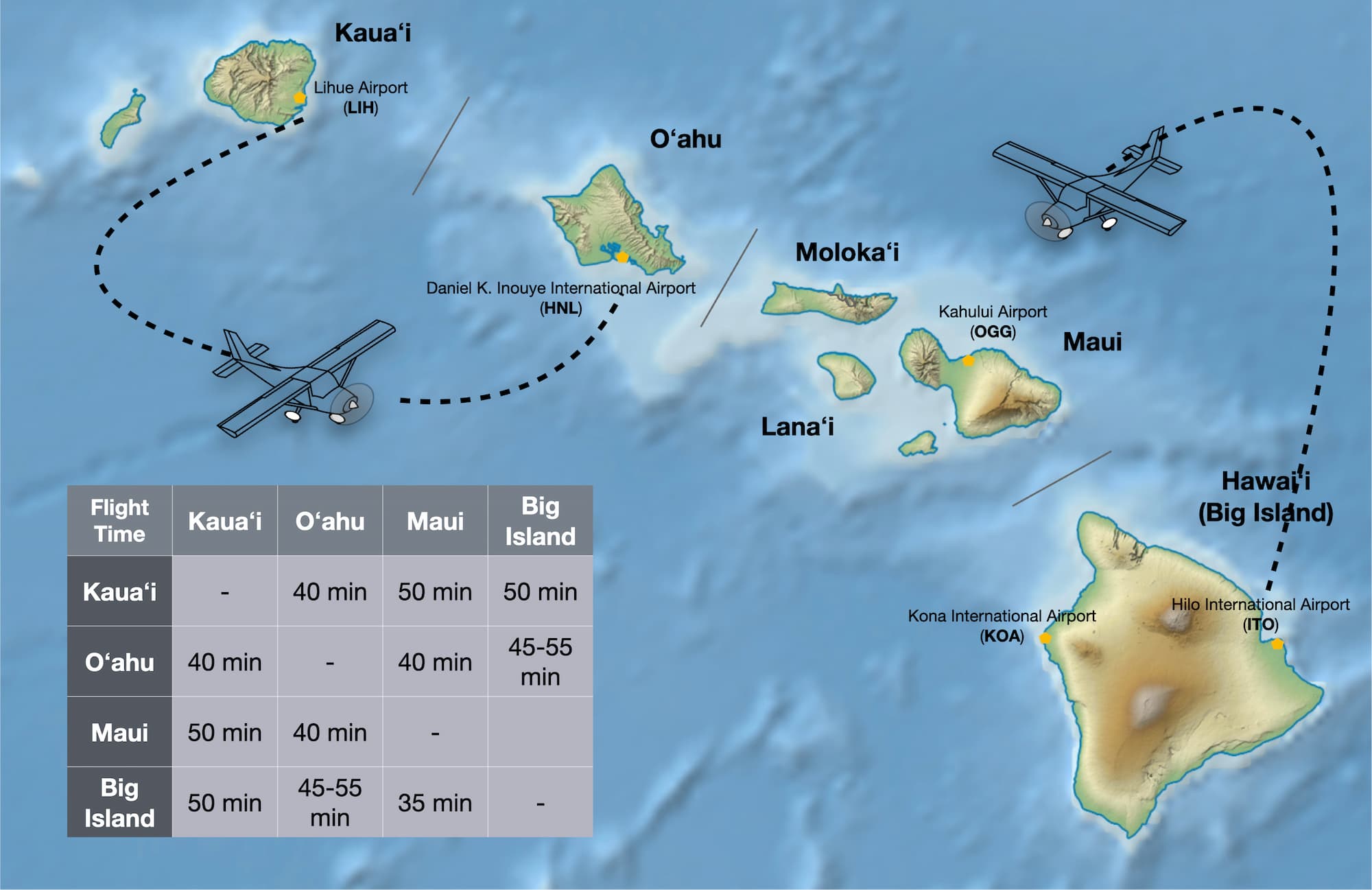
Understanding how to navigate this chain of islands in the central Pacific Ocean requires a blend of logistical planning and a deep appreciation for the unique offerings of each destination. Unlike many other island groups globally, Hawaii does not have an extensive passenger ferry system connecting its major hubs. Instead, the skies serve as the primary highways.
The Mechanics of Inter-Island Transportation
The most important thing to understand about island hopping in Hawaii is that “hopping” almost always means flying. While the islands appear close together on a map, the channels between them are deep and often treacherous, making regular ferry service impractical for most routes.
The Dominance of Air Travel
For decades, Hawaiian Airlines has been the primary carrier for inter-island travel. They operate a robust schedule of frequent, short-duration flights using Boeing 717 aircraft specifically designed for these high-frequency routes. A flight from Oahu to Maui or Kauai typically takes between 30 and 45 minutes, making it possible to switch islands with minimal disruption to your day.
In recent years, Southwest Airlines entered the inter-island market, bringing increased competition and more flexible fare structures. This has made island hopping more accessible for budget-conscious travelers. Both airlines operate primarily out of the major hubs: Daniel K. Inouye International Airport in Honolulu, Kahului Airport in Maui, Lihue Airport in Kauai, and both Kona International Airport and Hilo International Airport on the Big Island.
Commuter Options and Scenic Flights
For those looking to visit the smaller, more secluded islands of Molokai or Lanai, or for travelers who prefer a more intimate flying experience, Mokulele Airlines is the go-to provider. Utilizing a fleet of Cessna Grand Caravans, this commuter airline offers lower-altitude flights that provide spectacular aerial views of the coastline and mountain ranges. These flights often bypass the large terminals, operating instead from commuter wings or smaller regional airfields like Kapalua Airport in West Maui.
The Maui to Lanai Ferry
While most inter-island ferries have ceased operations, the Expeditions Lanai Ferry remains a notable exception. This service connects Maui to the island of Lanai, typically departing from Maalaea Harbor. The one-hour crossing offers a rare opportunity to see the islands from the water, and during the winter months, it doubles as an unofficial whale-watching tour as humpback whales migrate through the Auau Channel.
Designing Your Island-Hopping Itinerary
The key to a successful island-hopping trip is not trying to see everything at once. Each island requires a minimum of three to four days to truly appreciate its character. A common mistake is attempting to visit four islands in ten days, which results in more time spent in airports than on beaches.
Starting in Oahu: The Gathering Place
Most international and domestic flights from the mainland arrive at Daniel K. Inouye International Airport. As the home of Honolulu, Oahu is the logical starting point. It offers the perfect introduction to Hawaii by blending modern luxury with deep historical roots. Visitors can pay their respects at Pearl Harbor, hike the iconic Diamond Head crater for panoramic city views, and enjoy the world-famous sands of Waikiki Beach.
Transitioning to the Garden Isle: Kauai
After the fast pace of Honolulu, a flight to Kauai offers a dramatic shift in scenery. Known as the “Garden Isle,” Kauai is the oldest of the main islands and boasts some of the most spectacular natural landmarks in the world. The Napali Coast, with its emerald-green spires rising thousands of feet from the sea, is best viewed via a helicopter tour or a boat excursion. On the west side, Waimea Canyon, often called the “Grand Canyon of the Pacific,” provides miles of hiking trails through red earth and lush valleys.
Exploring the Diversity of the Big Island
A flight to the Big Island (officially named Hawaii) reveals a landscape that is still being formed. This island is nearly twice as large as all the other islands combined and contains 4 of the 5 major climate zones. On the eastern side, near Hilo, Hawaii Volcanoes National Park allows visitors to witness the power of Kilauea, one of the world’s most active volcanoes. On the western side, the sunny Kailua-Kona coast is famous for its coffee plantations and pristine snorkeling waters. For a truly unique experience, travelers can ascend Mauna Kea to visit one of the world’s premier astronomical observation sites.

Ending with the Elegance of Maui
Maui often serves as the grand finale for many island hoppers because it strikes a balance between the ruggedness of Kauai and the amenities of Oahu. The “Valley Isle” is home to Haleakala National Park, where watching the sunrise from the 10,023-foot summit is a rite of passage. The legendary Road to Hana offers a scenic driving experience through rainforests, past hidden waterfalls, and to the serene Seven Sacred Pools.
Essential Logistics and Planning Tips
To make island hopping feel like a vacation rather than a series of chores, certain logistical considerations must be addressed during the planning phase.
Multi-City Flight Bookings
Rather than booking a series of one-way tickets, many travelers find success using “multi-city” search tools. For example, you might fly from Los Angeles to Honolulu, then take an inter-island flight to Maui, and finally fly from Kahului Airport back to Los Angeles. This “open-jaw” itinerary eliminates the need for a redundant return flight to your original hub, saving both time and money.
Managing Transportation on Each Island
Once you land on a new island, you will almost certainly need a rental car. While Honolulu has a decent public transit system known as TheBus, the other islands are largely rural and spread out. Booking rental cars well in advance is essential, particularly on Kauai and the Big Island, where inventory can be limited. Many travelers also use Turo for more localized vehicle options.
Packing and Baggage Strategies
Island hopping involves frequent check-ins and check-outs. Packing light is the most effective way to reduce stress. It is important to note that inter-island flights often have different baggage weight limits and fees than transpacific flights. If you are flying Hawaiian Airlines, joining their loyalty program can sometimes provide discounted baggage rates for inter-island hops. Additionally, since you will be moving between different microclimates—from the humid rainforests of Hana to the freezing temperatures atop Mauna Kea—layering is the key to comfort.
Signature Island Experiences and Destinations
To help decide which islands to include in your “hop,” consider these iconic locations that define the spirit of Polynesia.
The North Shore of Oahu
While Waikiki Beach is the heart of the tourist district, the North Shore of Oahu represents the soul of surfing. In the winter months, massive swells attract the world’s best surfers to Waimea Bay and Banzai Pipeline. In the summer, these waters turn into a glass-like playground perfect for snorkeling and swimming.
Hanalei Bay in Kauai
Located on the northern coast of Kauai, Hanalei Bay is a crescent-shaped paradise backed by mist-covered mountains and waterfalls. The nearby town of Hanalei maintains a small-town, bohemian vibe that is a stark contrast to the high-rise resorts found elsewhere in the state.
The Historic Town of Lahaina
Though recently affected by devastating wildfires, the spirit of Lahaina remains a central part of Maui travel history. Traditionally, it served as a whaling port and the capital of the Kingdom of Hawaii. As the area recovers, visiting the surrounding regions of West Maui, such as Ka’anapali and Kapalua, continues to support the local economy while offering some of the best luxury accommodations in the archipelago.

Snorkeling at Molokini Crater
For those staying on Maui, a short boat trip to Molokini Crater is a must. This partially submerged volcanic crater is a state marine life conservation district, offering water clarity that often exceeds 100 feet. It is home to hundreds of species of tropical fish and vibrant coral reefs, making it one of the premier snorkeling destinations in the world.
Island hopping in Hawaii is more than just a logistical challenge; it is a journey through different eras of geological and cultural history. By understanding the frequency of inter-island flights, the necessity of rental cars, and the unique allure of each island from Kauai to the Big Island, you can craft an experience that is as diverse as the islands themselves. Whether you are chasing waterfalls, exploring volcanic craters, or simply looking for the perfect sunset, the ability to move between these Pacific gems is what makes a trip to Hawaii truly transformative.
LifeOutOfTheBox is a participant in the Amazon Services LLC Associates Program, an affiliate advertising program designed to provide a means for sites to earn advertising fees by advertising and linking to Amazon.com. Amazon, the Amazon logo, AmazonSupply, and the AmazonSupply logo are trademarks of Amazon.com, Inc. or its affiliates. As an Amazon Associate we earn affiliate commissions from qualifying purchases.