
The journey from the fog-swept hills of San Francisco to the sun-drenched shores of Hawaii is one of the most iconic travel corridors in the United States. Spanning a vast expanse of the Pacific Ocean, this route connects the bustling urban energy of California with the tranquil, volcanic beauty of the Polynesian archipelago. For many travelers, the question of distance is not just about miles or kilometers, but about the transition between two distinct worlds. Understanding the logistics, flight paths, and geographical context of this trip is essential for anyone planning an escape to the islands.
Understanding the Geographical Gap Between California and the Pacific Islands
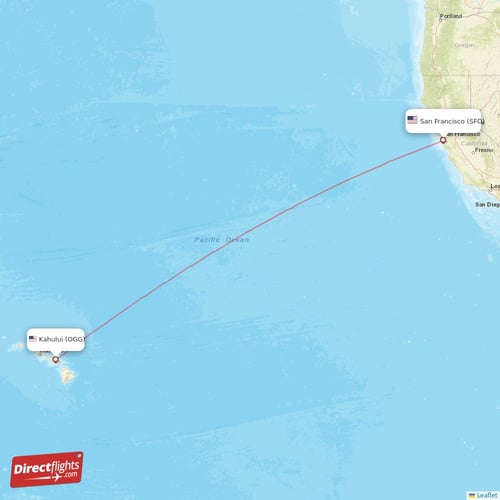
When looking at a map, the distance between the West Coast of North America and the Hawaiian Islands can be deceptive. In reality, Hawaii is the most isolated population center on Earth. From San Francisco, the nearest point in the islands is approximately 2,300 miles (3,700 kilometers) away. This makes San Francisco one of the primary gateways for transpacific travel, offering a slightly shorter route than many other major mainland hubs.
Measuring the Miles and Nautical Distance
The exact distance depends heavily on which island is your final destination. For instance, the flight from San Francisco International Airport to Honolulu on the island of Oahu is roughly 2,393 miles. If you are heading to Kahului Airport on Maui, the distance is slightly less, at about 2,338 miles. To the westernmost major island, Kauai, the distance increases to approximately 2,450 miles.
In nautical terms, which is how many maritime pilots and long-haul flight navigators measure the span, the distance is about 2,080 nautical miles. Historically, this route was a significant challenge for early aviators. Today, modern jet engines and advanced aerodynamics have turned what was once a multi-day maritime voyage into a comfortable half-day flight.
The Flight Duration from SFO to Major Island Hubs
While the distance in miles remains constant, the time spent in the air fluctuates based on wind patterns, specifically the jet stream. On average, a direct flight from San Francisco to the islands takes between 5 hours and 15 minutes to 5 hours and 45 minutes.
Traveling westward from California often takes longer due to headwinds pushing against the aircraft. Conversely, the return flight from Hawaii to San Francisco is typically faster, often clocking in at just under 5 hours, as the jet stream provides a powerful tailwind. This efficiency makes San Francisco International Airport an ideal departure point compared to New York City or Chicago, where flights can exceed 9 or 10 hours.
Navigating the Air Routes: From San Francisco International Airport to Paradise
San Francisco International Airport, commonly known as SFO, serves as a critical nexus for travelers heading to the Pacific. Because of its strategic location, it offers more daily non-stop flights to the various islands than almost any other airport in the United States, save perhaps for Los Angeles International Airport.
Direct Flights to Honolulu and Beyond
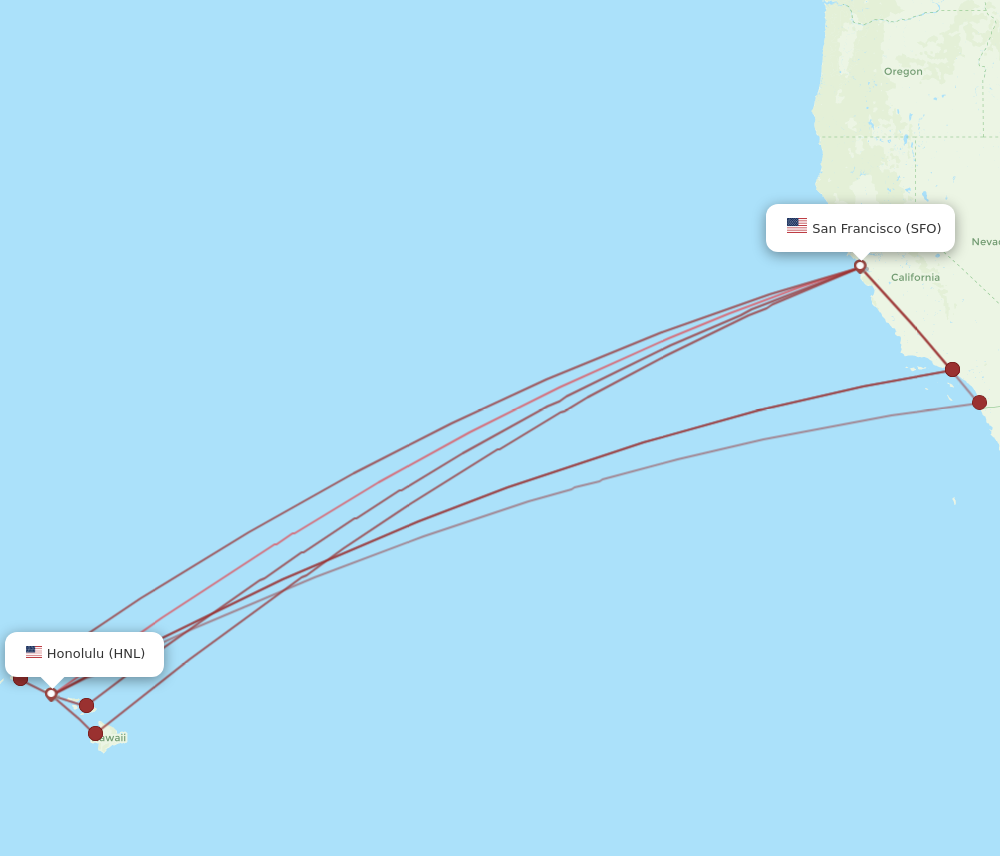
Most travelers first arrive at Daniel K. Inouye International Airport in Honolulu. This airport is the primary gateway to the state and offers the highest frequency of flights. Major carriers including United Airlines, Hawaiian Airlines, and Alaska Airlines operate multiple daily frequencies on this route.
Beyond Honolulu, SFO provides direct access to other major islands, allowing travelers to skip the inter-island transfer. You can find direct service to Lihue Airport on Kauai, Ellison Onizuka Kona International Airport on the Big Island, and Kahului Airport on Maui. This variety is a significant advantage for Bay Area residents, as it saves several hours of layover time in Honolulu.
The Experience of Transpacific Carriers
Choosing an airline for the journey is part of the travel experience. Hawaiian Airlines is often praised for its “Island Hospitality,” beginning the vacation the moment you step on the plane with themed meals and music. United Airlines, which uses San Francisco as a major hub, offers the most frequent schedule, providing flexibility for business travelers or those with tight itineraries. In recent years, Southwest Airlines has also entered the market, offering competitive pricing from nearby Oakland International Airport and San Jose Mineta International Airport, further expanding options for those in the San Francisco region.
Planning Your Journey: Seasonal Variations and Flight Logistics
While the physical distance doesn’t change, the experience of traveling from San Francisco to Hawaii varies significantly depending on the time of year. Weather in both the Bay Area and the Central Pacific plays a role in flight comfort and arrival conditions.
Best Times to Travel for Smooth Transit

From a flight perspective, the smoothest crossings usually occur during the late spring and early autumn. During the winter months, the North Pacific can experience heavy storm systems that lead to increased turbulence. While modern aircraft are perfectly equipped to handle these conditions, those who prefer a calm ride might choose to travel in May or September.
In terms of cost and availability, the periods just after Labor Day and just after New Year’s Day are typically the “shoulder seasons” where flights from SFO are more affordable. Conversely, traveling during the Christmas holidays or Spring Break requires booking many months in advance due to the high demand from Northern California families.
Crossing the Pacific Time Zones
One of the logistical hurdles of the 2,300-mile journey is the time change. Hawaii operates on Hawaii-Aleutian Standard Time. Unlike California, Hawaii does not observe Daylight Saving Time.
This means that for half of the year, Hawaii is three hours behind San Francisco. During the winter months, when the mainland reverts to Standard Time, the difference shrinks to only two hours. This relatively small gap is one reason why Hawaii is such a popular destination for San Francisco residents; jet lag is minimal, allowing for a seamless transition into vacation mode or a productive remote work environment.
Beyond the Distance: What to Expect Upon Arrival in the Aloha State
Once the five-hour flight concludes and the aircraft descends over the turquoise waters of the Pacific, the distance covered becomes an afterthought. The transition from the chilly, often overcast weather of the Golden Gate Bridge to the tropical warmth of Honolulu is a sensory shift unlike any other.
First Impressions of Waikiki Beach and Oahu
For those landing in Honolulu, the first stop is often Waikiki Beach. This world-famous stretch of sand is framed by the iconic silhouette of Diamond Head state monument. Despite being a major city, Honolulu offers a unique blend of urban luxury and natural beauty. Visitors can explore the history of Pearl Harbor or take a scenic drive to the North Shore to watch professional surfers tackle massive winter swells.
Exploring the Natural Wonders of the Big Island and Maui
If your flight takes you to the Big Island, the landscape is vastly different. Here, you can witness the raw power of nature at Hawaii Volcanoes National Park, where Kilauea continues to shape the island’s geography. On Maui, the journey to Haleakala National Park offers a chance to see the sunrise from above the clouds at 10,000 feet.
The distance from San Francisco facilitates these experiences by providing a direct link to the most diverse ecosystems in the world. Whether it is the lush rainforests of the Na Pali Coast on Kauai or the snorkeling havens of Hanauma Bay, the islands offer a profound contrast to the redwood forests and rugged coastlines of Northern California.
The Transpacific Experience: Tips for a Comfortable Crossing
Given that you will be spending nearly six hours in a pressurized cabin over the open ocean, preparation is key to ensuring that the distance feels manageable. The flight from San Francisco is long enough to require some planning but short enough to avoid the extreme fatigue of international travel.
Preparing for the Five-Hour Haul
Hydration is the most critical factor when flying over the Pacific. The dry cabin air can be dehydrating, so drinking plenty of water is essential. Since SFO is known for its excellent food options, many travelers choose to pick up a meal at the Napa Farms Market within the terminal before boarding, as meal service on domestic flights to Hawaii can vary by airline and class of service.
Entertainment is also a factor. While many flights offer seatback screens with movies and shows, it is always wise to download content onto a personal device. Looking out the window as you approach the islands is perhaps the best entertainment of all—seeing the first glimpse of Molokai or Lanai from 30,000 feet is a highlight of the trip.
Sustainable Travel Across the Pacific
As the distance between San Francisco and Hawaii is covered by thousands of flights each year, there is an increasing focus on sustainable travel. Carriers like United Airlines are investing in sustainable aviation fuel (SAF) to reduce the carbon footprint of this popular route.
Once in Hawaii, travelers are encouraged to practice “Malama Hawaii”—a concept of giving back and caring for the land. Many resorts and tour operators in Honolulu and Maui offer opportunities for visitors to participate in beach cleanups or reforestation projects. This ensures that the 2,300-mile journey leaves a positive impact on the destination.
The distance from San Francisco to Hawaii is a gateway to one of the most unique cultural and geological regions on the planet. By understanding the geography, selecting the right flight from SFO, and preparing for the transpacific crossing, travelers can ensure that their journey is as rewarding as the destination itself. Whether you are seeking the adventure of Mauna Kea or the relaxation of Waikiki Beach, the flight from the Bay Area is the first step in a transformative Pacific experience.
LifeOutOfTheBox is a participant in the Amazon Services LLC Associates Program, an affiliate advertising program designed to provide a means for sites to earn advertising fees by advertising and linking to Amazon.com. Amazon, the Amazon logo, AmazonSupply, and the AmazonSupply logo are trademarks of Amazon.com, Inc. or its affiliates. As an Amazon Associate we earn affiliate commissions from qualifying purchases.