
The journey between Japan and Hawaii is one of the most iconic trans-Pacific corridors in the world. Spanning thousands of miles across the vast Pacific Ocean, this route connects the high-tech urban energy of East Asia with the volcanic serenity of the Central Pacific. For travelers planning this excursion, understanding the logistics of the flight—not just the hours spent in the air, but the geographical and meteorological factors at play—is essential for a seamless transition from the land of the rising sun to the aloha state.
Analyzing the Air Duration and Flight Paths
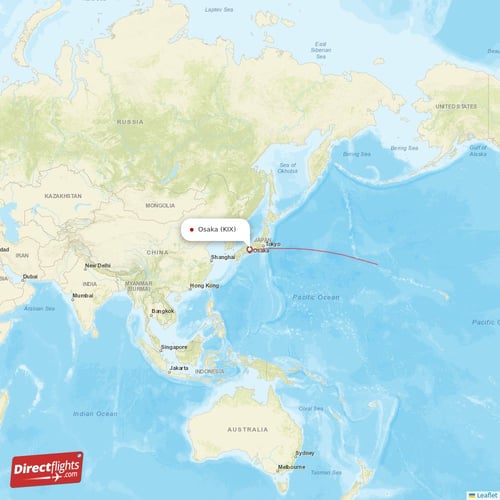
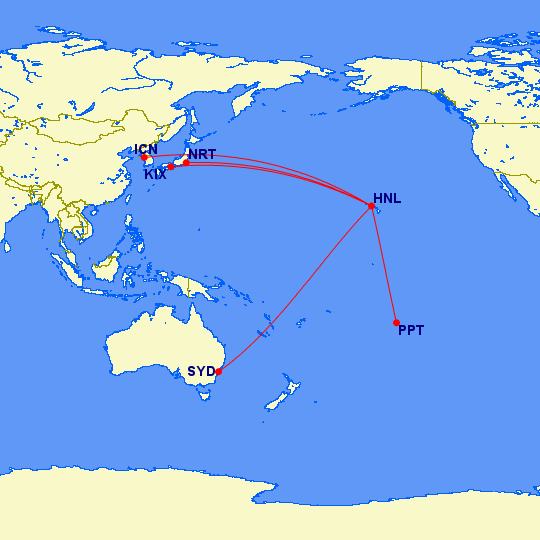
The time it takes to fly from Japan to Hawaii is not a static number. It varies significantly based on the direction of travel, the specific departure city, and the prevailing atmospheric conditions. While the two regions may look relatively close on a global map of the Pacific Ocean, the distance covers approximately 3,800 to 4,000 miles depending on the exact coordinates of the airports involved.

Average Flight Durations from Major Hubs
When flying eastbound from Japan to the United States islands of Hawaii, the flight is notably shorter than the return journey. From Tokyo, travelers can expect a direct flight to Honolulu to last between 7 and 8 hours. If departing from Osaka via Kansai International Airport, the duration is slightly longer, often averaging around 8 hours and 15 minutes. From the southernmost major hub of Fukuoka, the flight time can push closer to 9 hours.
Conversely, the westbound flight from Hawaii back to Japan takes considerably longer. Travelers returning to Narita International Airport or Haneda Airport often face flight times ranging from 8.5 to 10 hours. This discrepancy is a primary consideration for travelers when scheduling their arrival activities and managing their recovery from travel fatigue.
The Role of the Jet Stream and Trade Winds
The significant difference between eastbound and westbound flight times is primarily due to the jet stream. These high-altitude, fast-moving air currents generally flow from west to east across the Pacific Ocean. When flying from Japan to Hawaii, aircraft often “catch” these tailwinds, which effectively pushes the plane forward and reduces the total time spent in the air.
During the winter months, the jet stream is particularly strong, which can shave even more time off the eastbound journey but add significant resistance to the westbound return. Pilots must carefully calculate fuel loads and flight paths to account for these winds. Additionally, the trade winds surrounding the islands of Oahu and Maui play a smaller but relevant role in the final approach and takeoff procedures at Daniel K. Inouye International Airport.
Departure Experiences Across Japan
Japan offers several sophisticated gateways for those heading to the Polynesia region. Each airport provides a different pre-flight experience, reflecting the unique character of its home city.
Tokyo Hubs: Narita and Haneda
The majority of travelers will depart from one of the two major airports serving Tokyo. Narita International Airport, located in Chiba, has long been the primary international gateway. It is famous for its extensive duty-free shopping, offering everything from traditional Japanese crafts to luxury goods from Ginza.
In recent years, Haneda Airport has expanded its international terminal significantly. Located much closer to the heart of Tokyo—near districts like Shibuya and Shinjuku—Haneda Airport is the preferred choice for many business travelers and locals. The flight time to Hawaii remains virtually the same from both airports, though the convenience of Haneda Airport can save travelers over an hour in ground transportation time.
Regional Gateways: Osaka, Nagoya, and Fukuoka
For those living in or visiting the Kansai region, Kansai International Airport in Osaka is the go-to departure point. This airport, built on a man-made island, serves travelers from Kyoto and Nara as well. The flight from Osaka is a staple for Japanese tourists seeking the sun and surf of the Pacific Ocean.
Further south, Fukuoka offers seasonal or scheduled direct flights, serving the Kyushu region. In central Japan, Chubu Centrair International Airport near Nagoya provides another vital link. Even as far north as Sapporo, New Chitose Airport occasionally facilitates travel to the islands, though most travelers from Hokkaido will connect through Tokyo.
Arriving in the Hawaiian Archipelago
The arrival in Hawaii is a sensory transition. As the plane descends over the deep blue of the Pacific Ocean, the first sight is often the emerald peaks of the Ko’olau Range or the iconic silhouette of Diamond Head.
The Honolulu Gateway
Honolulu is the primary point of entry for almost all international flights from Asia. Daniel K. Inouye International Airport is a bustling hub that captures the spirit of the islands. Upon landing, many travelers head straight to Waikiki, the world-famous beach district known for its surfing, high-end shopping at Ala Moana Center, and historic landmarks such as Iolani Palace.
The flight duration of roughly seven hours means that most flights departing Japan in the evening arrive in Honolulu in the morning of the same day. This creates a “time travel” effect that can be exhilarating but requires careful management of one’s circadian rhythm.
Island Hopping to Maui, Kauai, and the Big Island
While Oahu is the most frequent destination, many travelers immediately connect to the “Neighbor Islands.” A short 30-to-45-minute inter-island flight can take you to Kahului on Maui, where the massive Haleakala National Park dominates the landscape.
Alternatively, heading to Lihue on Kauai allows travelers to witness the “Grand Canyon of the Pacific,” known as Waimea Canyon. Those seeking volcanic activity and vast lava fields head to Kona or Hilo on the Big Island, home to Volcanoes National Park. The total travel time from Japan to these islands usually involves the initial long-haul flight plus a two-hour layover and the short hop, totaling about 11 to 12 hours of travel.
Practical Insights for the Trans-Pacific Traveler
Planning a trip of this magnitude requires more than just knowing the flight hours. The logistical nuances of crossing the ocean involve time zones, seasonal shifts, and cultural preparation.
Managing Time Zones and the International Date Line
One of the most confusing aspects of the Japan to Hawaii route is crossing the International Date Line. Japan is 19 hours ahead of Hawaii. When you fly east from Tokyo to Honolulu, you effectively “gain” a day. For example, a flight departing on Friday evening will arrive on Friday morning.
To combat jet lag, frequent travelers recommend staying awake until at least 8:00 PM local time in Hawaii upon arrival. Spending time in the sun at Hanauma Bay or walking the sands of Lanikai Beach can help reset the internal clock. On the return journey to Japan, you “lose” a day, crossing the date line and arriving the following calendar day, which often requires a full day of rest in Yokohama or Tokyo before returning to work.
Seasonal Travel and Weather Considerations
The best time to make the journey depends on your goals. For Japanese travelers, the “Golden Week” in late April and early May is a peak travel time, as is the Obon period in August. During these times, flights are frequent but often more expensive and crowded.
Weather-wise, Hawaii remains pleasant year-round, though the winter months (December through February) can bring slightly more rain to the North Shore of Oahu, which is also when the biggest waves attract surfers from around the globe. In Japan, departing during the humid summer months for the cooling trade winds of Hawaii is a popular strategy. Conversely, leaving the snowy landscapes of Sapporo or the cold winds of Mount Fuji for a tropical winter getaway is a dream for many.
Regardless of the season, the flight from Japan to Hawaii remains a vital bridge. It is a journey that takes you from the meticulously organized streets of Tokyo to the laid-back, “island time” atmosphere of Honolulu. By understanding the 7 to 10 hours spent in the air and the factors that influence them, travelers can better appreciate the vastness of the Pacific Ocean and the beauty of the two cultures it connects. From the moment you leave the gate at Narita International Airport until you see the lights of Pearl Harbor on your descent, every hour of the flight is a step toward a different world.
LifeOutOfTheBox is a participant in the Amazon Services LLC Associates Program, an affiliate advertising program designed to provide a means for sites to earn advertising fees by advertising and linking to Amazon.com. Amazon, the Amazon logo, AmazonSupply, and the AmazonSupply logo are trademarks of Amazon.com, Inc. or its affiliates. As an Amazon Associate we earn affiliate commissions from qualifying purchases.