
Traveling from the heart of the United States to the secluded tropical paradise of the Pacific Ocean is a journey of significant distance and anticipation. For residents of Texas, the dream of stepping onto the volcanic sands of Hawaii involves crossing several time zones and thousands of miles of diverse terrain. Understanding the logistics of this flight is essential for anyone planning a getaway to the Aloha State. Because Texas is such a massive state, the duration of your flight can vary depending on your city of departure, your choice of airline, and whether you opt for a non-stop route or a connecting flight.
Understanding the Flight Duration from Texas to Hawaii
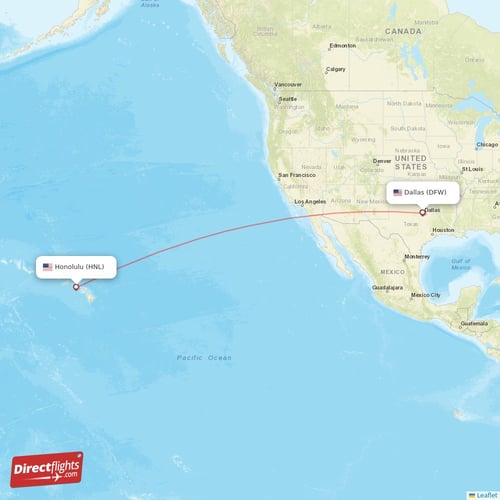
When calculating how long it takes to fly from the Lone Star State to the islands, the most important factor is the specific route. On average, a direct flight from Texas to Hawaii lasts between 8 and 9 hours. This journey covers approximately 3,700 to 4,000 miles, making it one of the longest domestic flights available within the country.
Direct Flights from Major Texas Hubs
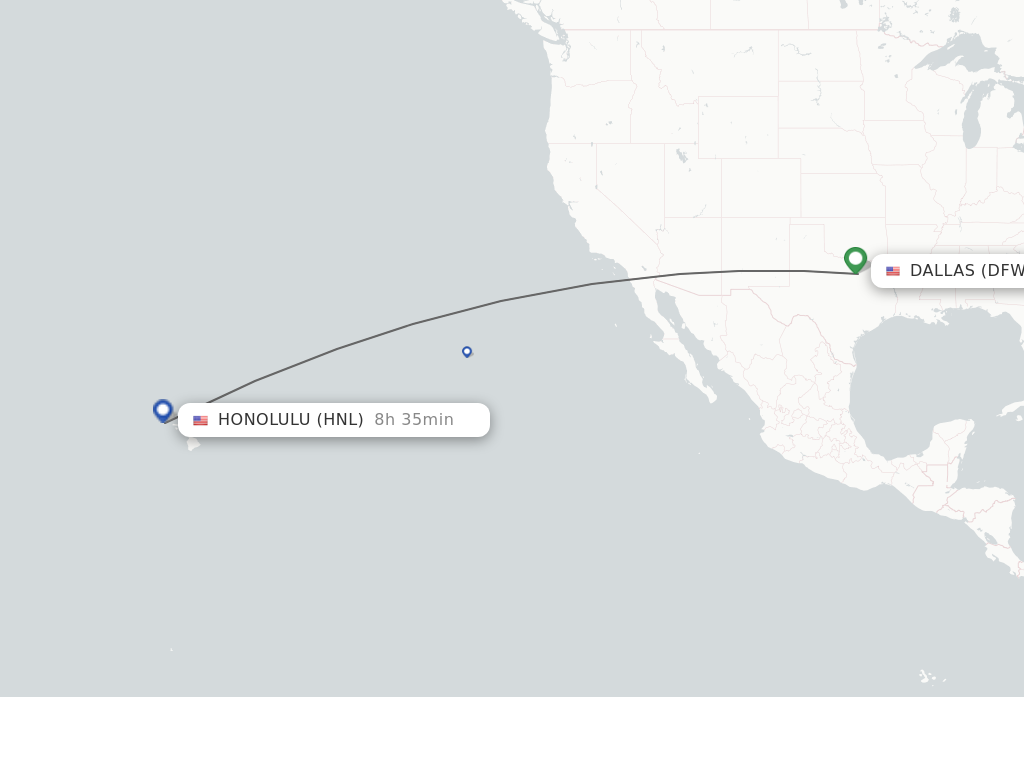
For those seeking the fastest possible arrival, non-stop flights are the gold standard. Currently, the primary gateways for direct service to the islands are Dallas and Houston. If you are departing from Dallas/Fort Worth International Airport, you can expect a flight time of roughly 8 hours and 15 minutes when heading to Honolulu on Oahu. American Airlines and Hawaiian Airlines frequently operate these routes, providing a seamless transition from the plains of North Texas to the tropical breeze.
From Houston, specifically George Bush Intercontinental Airport, the flight is slightly longer due to the southeastern positioning of the city. Travelers can expect to spend about 8 hours and 45 minutes in the air. United Airlines is a major carrier for this route, often utilizing wide-body aircraft designed for long-haul comfort.
The Impact of Winds and Jet Streams
It is a fascinating quirk of aviation that the flight to Hawaii usually takes longer than the flight back to Texas. This is due to the prevailing jet streams that move from west to east across the North Pacific. When flying toward the islands, planes are often flying against these headwinds, which can add 30 to 60 minutes to the total travel time. Conversely, the return journey benefits from a “tailwinds” effect, often shaving an hour off the trip, allowing travelers to return to Austin or San Antonio much faster than they left.
Key Departure Cities and Their Flight Paths
While Dallas and Houston offer the most direct routes, Texas is home to several other major metropolitan areas where travelers begin their journey. The choice of departure city significantly influences the total travel day, especially when connections are involved.
Flying from Dallas/Fort Worth
Dallas/Fort Worth International Airport serves as a massive hub for American Airlines. Because of this, it offers some of the most consistent daily non-stop service to Daniel K. Inouye International Airport in Honolulu. Occasionally, seasonal direct flights are also offered to Kahului Airport on the island of Maui. For travelers in Fort Worth or the surrounding suburbs, this is undeniably the most efficient way to reach the islands, bypassing the need for a secondary stop on the West Coast.
Journeys from Houston
Houston travelers have the advantage of United Airlines service. The flight path from Houston typically takes aircraft over Mexico and then out across the vast Pacific Ocean. Because George Bush Intercontinental Airport is a major international gateway, the amenities on these long-haul domestic flights are often superior, featuring enhanced entertainment systems and meal services that reflect the length of the journey.
Options from Austin and San Antonio
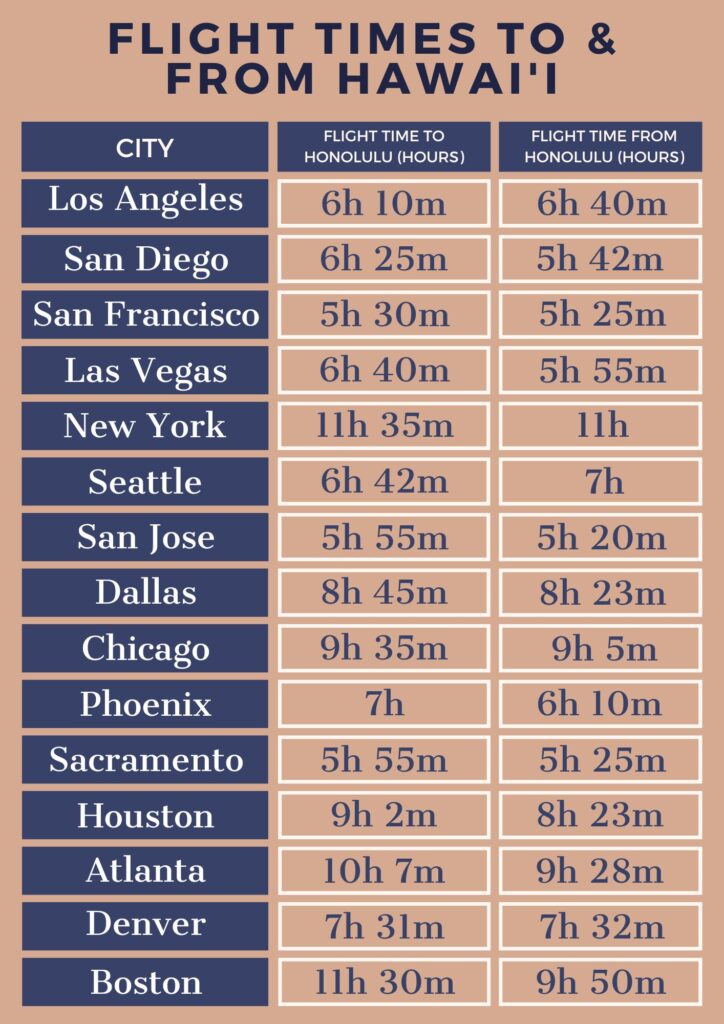
Travelers departing from Austin-Bergstrom International Airport or San Antonio International Airport typically do not have the option of a non-stop flight to Hawaii. Instead, these passengers usually connect through California or Arizona. A typical itinerary might involve a 3-hour flight to Los Angeles or Phoenix, followed by a 5.5-hour leg to the islands. Including layover time, the total travel duration from Central Texas often reaches 11 to 13 hours. While longer, this route allows travelers to stretch their legs in cities like San Francisco or Seattle before the final over-water push.
Connecting Flights vs. Non-Stop Routes
Deciding between a non-stop flight and a connecting itinerary is a common dilemma for Texas travelers. While the speed of a direct flight is appealing, there are several reasons why a connection might be preferred or necessary.
Popular Layover Cities
Most connecting flights from Texas to Hawaii stop at major hubs along the West Coast. Los Angeles International Airport and San Francisco International Airport are the most frequent stopover points. However, Southwest Airlines has expanded its service, making Las Vegas and San Jose popular alternatives for those flying from Dallas Love Field.
Connecting through California provides a logical break in the journey. The first leg of the flight handles the overland portion of the trip, while the second leg focuses on the crossing of the Pacific Ocean. For families traveling with small children, this break can be a lifesaver, providing a chance to grab a meal and burn off energy outside of a pressurized cabin.
Pros and Cons of Connecting Flights
The primary advantage of connecting flights is often the cost. Flights with a layover are frequently more budget-friendly than the premium-priced non-stop options from Dallas or Houston. Furthermore, connecting flights offer more flexibility in reaching islands other than Oahu. If your final destination is Lihue Airport on Kauai or Kona International Airport on The Big Island, connecting through a West Coast hub can sometimes be more efficient than flying to Honolulu and taking an inter-island “puddle jumper.”
The downside, of course, is the increased risk of delays. A missed connection in Phoenix can derail an entire day of vacation. Additionally, the total travel time can be significantly extended, meaning you arrive at your resort in Waikiki or Wailea much later in the evening, potentially missing a full day of sunlight.
Essential Travel Tips for the Long Haul
A flight of eight hours or more requires preparation. Crossing from the Central Time Zone to the Hawaii-Aleutian Standard Time Zone involves a significant shift—usually four to five hours depending on Daylight Saving Time (which Hawaii does not observe).
Managing Jet Lag and Time Zones
To minimize the impact of jet lag, travelers are encouraged to begin adjusting their sleep schedules a few days before departure. Because Texas is ahead of Hawaii, you will be “gaining” time on your way there. This often means you will feel sleepy early in the evening upon arrival. Embracing the early start can be a blessing, as it allows you to enjoy sunrise hikes at Diamond Head State Monument or beat the crowds to Hanauma Bay.
Staying hydrated is the most effective way to combat the physical toll of a long flight. The dry air in airplane cabins can lead to fatigue and headaches. Drinking plenty of water and avoiding excessive caffeine or alcohol will help you arrive in Honolulu feeling refreshed and ready to explore the North Shore.
In-Flight Comfort and Preparation
Given the duration, choosing the right seat is paramount. If you are on a non-stop flight from Texas, the aircraft will likely be a large jet like a Boeing 777 or a Boeing 787 Dreamliner. These planes are designed for long-haul routes and offer better cabin pressure and humidity levels.
Travelers should pack a dedicated “in-flight kit” containing noise-canceling headphones, an eye mask, and a neck pillow. Since you will be crossing the Pacific Ocean for several hours, there will be no cellular service or ground-based Wi-Fi for a large portion of the trip. Downloading movies, podcasts, or books ahead of time is essential for staying entertained as you pass over the vast blue expanse.
Arriving in the Aloha State: What to Expect
The moment the plane begins its descent over the Pacific Ocean, the long hours of travel suddenly become worth it. The view of the turquoise waters surrounding the Hawaiian Islands is one of the most iconic sights in travel.
Navigating Honolulu and Beyond
Most flights from Texas land at Daniel K. Inouye International Airport. This airport is the primary hub for the islands and is located just a short drive from downtown Honolulu and the historic sites of Pearl Harbor. Upon landing, the air is immediately different—warmer, more humid, and often carrying the scent of tropical flowers.
If your journey continues to Maui, Kauai, or The Big Island, the inter-island terminals are easily accessible. Short flights of 30 to 45 minutes on Hawaiian Airlines or Southwest Airlines connect the major islands. These quick hops offer stunning aerial views of the Molokai sea cliffs and the various channels that separate the islands.
For Texans, the flight to Hawaii is more than just a logistical necessity; it is a transition between two very different worlds. From the wide-open spaces and bustling cities of the South to the volcanic peaks and lush rainforests of the islands, the 8 to 12-hour journey is the gateway to an unforgettable experience. Whether you are departing from the busy terminals of Dallas or the coastal hub of Houston, the path to paradise is well-traveled and waiting to be explored.
LifeOutOfTheBox is a participant in the Amazon Services LLC Associates Program, an affiliate advertising program designed to provide a means for sites to earn advertising fees by advertising and linking to Amazon.com. Amazon, the Amazon logo, AmazonSupply, and the AmazonSupply logo are trademarks of Amazon.com, Inc. or its affiliates. As an Amazon Associate we earn affiliate commissions from qualifying purchases.