
Traveling from the bustling streets of New York City to the serene shores of Hawaii is one of the longest domestic journeys an American traveler can undertake. Spanning nearly 5,000 miles across the vast expanse of North America and the Pacific Ocean, this trek takes passengers from the Atlantic coast to the heart of Polynesia. Understanding the logistics, flight times, and various route options is essential for anyone planning an escape to the Aloha State.
The Logistics of the Transpacific Crossing
The flight duration from New York to Hawaii is largely determined by whether you opt for a non-stop service or a flight with one or more connections. Because of the incredible distance involved, travelers must prepare for a significant amount of time in the air, often rivaling the duration of flights from the United States to Europe or even South America.
Direct Flight Durations and Distances
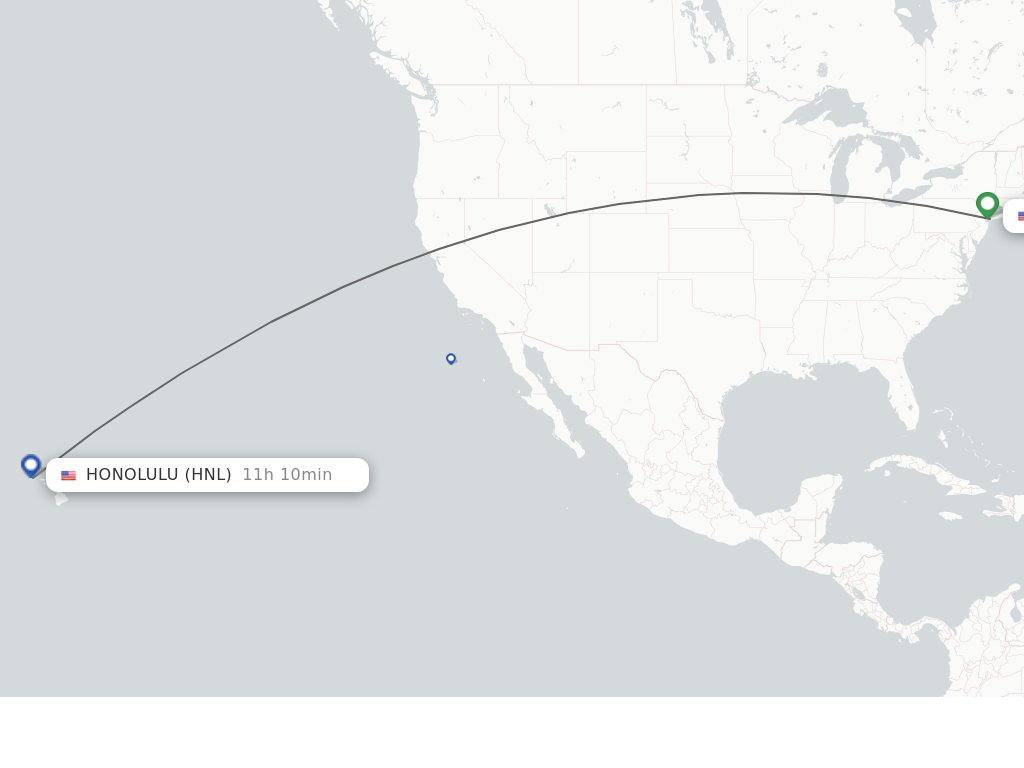
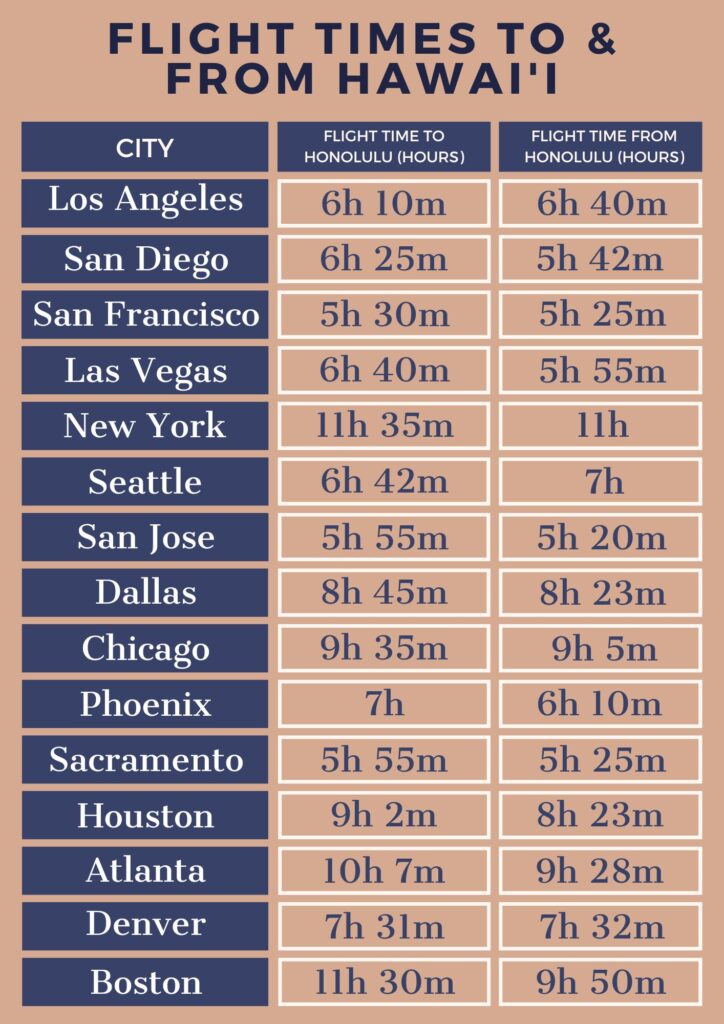
A non-stop flight from New York City to Honolulu typically lasts between 10 hours and 30 minutes to 11 hours and 45 minutes. The return journey is often shorter, averaging around 9 hours and 30 minutes, thanks to the assistance of the jet stream—strong high-altitude winds that blow from west to east.
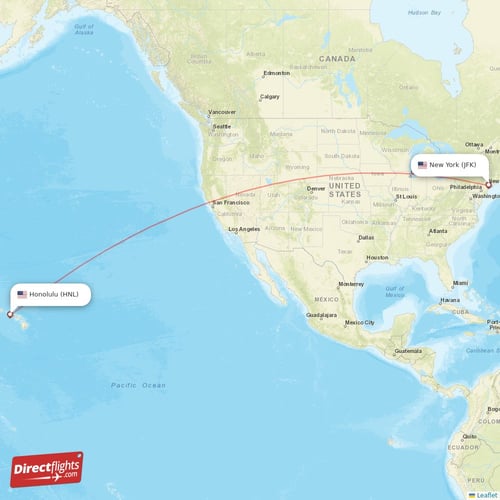
The distance between John F. Kennedy International Airport and Daniel K. Inouye International Airport is approximately 4,962 miles. This makes it one of the longest scheduled domestic flights in the world. When you factor in the time spent taxiing, boarding, and deplaning, travelers should budget a minimum of 12 to 13 hours for the entire travel day, even with the most efficient direct routes.
Connecting Flight Variables
Many travelers choose to break up the journey by stopping in a major West Coast hub. While this increases the total travel time, it can often lower the ticket price and provide a much-needed opportunity to stretch one’s legs. Common layover cities include Los Angeles, San Francisco, Seattle, and Phoenix.
A connecting flight typically takes between 13 and 16 hours in total. The first leg from New York to the West Coast takes about 5 to 6 hours, followed by a layover ranging from 90 minutes to several hours, and a final 5-to-6-hour leg across the Pacific Ocean. Some travelers even opt for a mid-continent layover in Chicago or Dallas, which splits the journey into two roughly equal parts.
Major Gateways: Departing from New York and New Jersey
Travelers in the tri-state area have two primary gateways for their Hawaiian adventure. Each airport offers a different set of airlines and amenities, impacting the overall travel experience before the plane even leaves the tarmac.
John F. Kennedy International Airport (JFK)
John F. Kennedy International Airport serves as the primary hub for international and long-haul domestic travel in New York. For those seeking the most direct path to Oahu, Hawaiian Airlines and Delta Air Lines frequently operate non-stop services from this terminal.
JFK is known for its extensive lounge network, which is a significant advantage for travelers flying in premium cabins. If you are booked in Delta One or Hawaiian Airlines First Class, the pre-flight experience at JFK provides a comfortable environment to relax or work. The airport is also well-connected to Manhattan and Brooklyn via the AirTrain JFK.
Newark Liberty International Airport (EWR)
Located just across the Hudson River in New Jersey, Newark Liberty International Airport is another major jumping-off point. United Airlines maintains a massive hub here and offers consistent non-stop service to Honolulu and occasionally to Kahului on Maui.
Newark is often preferred by travelers coming from Jersey City or the western side of Manhattan. The airport has seen significant renovations in recent years, particularly with the opening of the new Terminal A, offering state-of-the-art facilities for passengers embarking on the long journey to the Pacific.
Airlines Servicing the New York to Hawaii Route
Choosing the right airline can make a substantial difference in comfort on an 11-hour flight. While several carriers fly the route, their offerings in terms of seat pitch, entertainment, and meal service vary.
The Direct Carriers: United and Hawaiian
United Airlines and Hawaiian Airlines are the stalwarts of the non-stop route. United Airlines typically utilizes wide-body aircraft like the Boeing 767 or Boeing 777 for these flights, featuring their Polaris Business Class pods which allow for a fully flat sleeping surface.
Hawaiian Airlines offers a unique “island vibe” from the moment you board. Their service often includes island-inspired meals and a signature Mai Tai service. For those looking for extra legroom without the price tag of first class, their Extra Comfort seating is a popular choice for the long haul from New York.
Major Carriers with Layovers
If a direct flight isn’t available or fits your budget, several other major airlines provide excellent connecting services. American Airlines often routes passengers through Dallas Fort Worth International Airport or Los Angeles International Airport. Alaska Airlines is another popular option, frequently connecting through Seattle Tacoma International Airport.
JetBlue Airways also offers routes to Hawaii through partnerships or West Coast connections. While these routes take longer, they allow travelers to utilize different loyalty programs and potentially visit a second city during their trip.
Destination Guide: What Awaits in the Aloha State
Once the long flight is over, the rewards are immediate. Hawaii is an archipelago of diverse landscapes, ranging from volcanic deserts to lush rainforests. Most flights from New York land at Daniel K. Inouye International Airport in Honolulu, but the other islands are just a short hopper flight away.
Exploring Oahu: The Gathering Place
Oahu is the most populous island and the cultural heart of Hawaii. Most travelers begin their journey in Waikiki, a world-famous neighborhood known for its iconic beach and luxury shopping. History buffs will want to visit Pearl Harbor and the USS Arizona Memorial to pay their respects and learn about the events of World War II.
For those seeking nature, a hike up Diamond Head offers panoramic views of the coastline. The North Shore of Oahu is a mecca for surfers, especially during the winter months when massive swells hit the shores of Waimea Bay.
Discovering Maui: The Valley Isle
A short flight from Honolulu takes you to Maui, an island famous for its stunning beaches and the majestic Haleakala National Park. Watching the sunrise from the summit of Haleakala is a bucket-list experience for many travelers.
The Road to Hana is another quintessential Maui experience, featuring a winding coastal drive with hundreds of curves, dozens of bridges, and countless waterfalls. Travelers usually fly into Kahului Airport to begin their Maui adventure.
The Wild Beauty of Kauai and the Big Island
Kauai, known as the “Garden Isle,” is the oldest of the main islands and offers some of the most dramatic scenery in the Pacific. The Na Pali Coast is best viewed by boat or helicopter, as its jagged emerald cliffs are largely inaccessible by car. Travelers land at Lihue Airport to explore this lush paradise.
The Big Island of Hawaii is the largest and youngest island, home to the active volcanoes of Hawaii Volcanoes National Park. Visitors can witness the power of Kilauea and explore the diverse climates of the island, from the lava fields of Kona to the tropical rainforests of Hilo. Most long-haul travelers will arrive via Ellison Onizuka Kona International Airport.
Tips for a Seamless Long-Haul Travel Experience
Surviving an 11-hour flight from New York requires preparation. From managing physical comfort to navigating the significant time zone shift, a few strategic moves can make the journey much more pleasant.
Managing Jet Lag and Time Zones
Hawaii follows Hawaii-Aleutian Standard Time, which does not observe Daylight Saving Time. Depending on the time of year, Hawaii is either 5 or 6 hours behind New York. This shift can be jarring.
To combat jet lag, experts recommend staying hydrated and adjusting your sleep schedule a few days before departure. Once you arrive in Honolulu, try to stay awake until the local sunset. The bright Pacific sun will help reset your internal clock. Spending time outdoors at places like Ala Moana Beach Park is a great way to acclimate quickly.
Essential In-Flight Gear
Because you will be in a pressurized cabin for half a day, comfort is king. Noise-canceling headphones are essential for blocking out the hum of the aircraft engines. A high-quality neck pillow and an eye mask can help you catch some sleep during the long stretches over the Pacific Ocean.
Compression socks are also highly recommended for flights of this length to prevent swelling and reduce the risk of deep vein thrombosis. Additionally, ensure you have downloaded all necessary entertainment on your devices, although most wide-body planes flying this route will offer seatback screens with a wide selection of movies and television shows.
Traveling from New York City to Hawaii is a significant undertaking, but the transition from the “City That Never Sleeps” to the “Spirit of Aloha” is one of the most rewarding travel experiences available within the United States. Whether you are heading to the heights of Mauna Kea or the sands of Lanikai Beach, the journey across the continent and the ocean is the first step in an unforgettable tropical escape.
LifeOutOfTheBox is a participant in the Amazon Services LLC Associates Program, an affiliate advertising program designed to provide a means for sites to earn advertising fees by advertising and linking to Amazon.com. Amazon, the Amazon logo, AmazonSupply, and the AmazonSupply logo are trademarks of Amazon.com, Inc. or its affiliates. As an Amazon Associate we earn affiliate commissions from qualifying purchases.