
Understanding the population dynamics of Maui is essential for any traveler seeking to go beyond the postcard-perfect beaches and resorts. As the second-largest island in the Hawaii archipelago, this destination serves as both a world-class getaway and a vibrant, functioning community. According to recent census data, the resident population of Maui hovers around 165,000 to 168,000 people. While these numbers may seem small compared to major mainland metropolitan areas, they represent a complex demographic tapestry that defines the island’s unique character and social fabric.
The Demographic Composition and Distribution
The population of Maui is not evenly spread across the landscape. Instead, it is concentrated in specific hubs that cater to both industry and residential needs. While visitors often congregate in tourist-heavy zones, the residents of the island are rooted in a variety of townships, each with its own history and economic base.
Key Population Centers
The vast majority of the population resides in several primary regions. Kahului, serving as the island’s commercial and transportation hub, houses a significant portion of the workforce. Nearby, Wailuku acts as the governmental seat and a historical center, preserving much of the local administrative and cultural history. Further down the coast, Lahaina has historically been one of the most significant residential and cultural centers on the island, though it remains in a delicate state of transition following recent natural disasters.
Suburban Expansion
Outside of these central hubs, smaller communities like Kihei and Upcountry areas—including Makawao and Kula—have seen significant growth. These regions offer a different pace of life, moving away from the coastal resort lifestyle and into the fertile, volcanic slopes of the island. Understanding these distribution patterns helps visitors appreciate the distinction between areas built for tourism and those that function as true “hometowns” for the local population.
The Influence of Tourism on Local Population Metrics
One of the most important factors to consider when discussing population in Maui is the “de facto” population. Because tourism is the primary economic engine of the island, the number of people physically present on the island at any given time is significantly higher than the number of permanent residents.
The Fluctuating Daily Census
On any given day, thousands of visitors arrive from the United States and around the world, residing in temporary accommodations. This influx places a unique strain on local infrastructure, from water usage to waste management and transportation networks. When travelers ask how many people live in Maui, they are often conflating the permanent residential count with the transient visitor count. Managing the balance between these two groups is a primary challenge for local government and community leaders who aim to preserve the quality of life for those who call the island home year-round.
Economic Dependency
The relationship between residents and tourism is symbiotic. A vast majority of the workforce is employed in sectors directly or indirectly linked to the visitor industry. Whether it is hospitality management at a resort in Wailea or providing services in the town of Paia, residents are the heartbeat of the visitor experience. This economic reality means that the resident population is highly responsive to tourism trends, making population shifts and economic health closely tied to global travel patterns.
Infrastructure and Growth Management
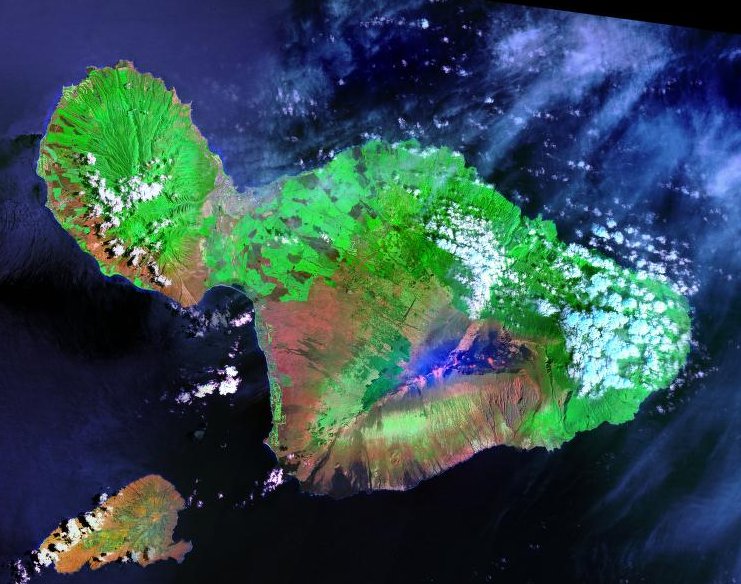
With a permanent population that has seen steady growth over the last few decades, Maui faces the constant challenge of maintaining a high quality of life while accommodating more residents. The island’s geography—characterized by rugged terrain, protected wilderness areas like Haleakala National Park, and limited developable land—makes urban planning a complex endeavor.
Housing and Affordability
Like many desirable locations, Maui struggles with the dual pressures of high housing costs and limited supply. The rise of short-term vacation rentals has often been debated in local town halls, as community members argue that these properties remove long-term housing options from the market. This tension between housing for residents and lodging for tourists is a recurring theme in local policy discussions. It influences the demographic shifts within the island, as some families have moved to more affordable regions while others have been forced to leave the island entirely due to cost-of-living constraints.
Maintaining Cultural Heritage
Beyond mere numbers, the population of Maui represents a unique blend of cultures. The indigenous Native Hawaiian population, alongside populations with deep roots in the plantation era—including Filipino, Japanese, Chinese, and Portuguese descendants—creates a vibrant, multi-ethnic community. This diversity is what gives Maui its soul. Preservation efforts, whether in the arts, language, or land stewardship, are deeply tied to the permanent population. As the island continues to grow, protecting the cultural identity of these diverse communities remains a priority for many locals.
The Future of Maui’s Population
As we look ahead, the demographic trajectory of Maui will likely be shaped by environmental sustainability, economic diversification, and the ongoing dialogue between the government and the populace.
Sustainability and Carrying Capacity
There is a growing movement on the island to assess the “carrying capacity” of Maui. This involves evaluating how many people the island can support without degrading its natural resources. From the lush landscapes of Hana to the dry, sunny shores of the south, every ecosystem has a limit. Future development is increasingly scrutinized for its environmental impact, ensuring that the resident population can coexist with the pristine natural environment that defines the Pacific Ocean gem.
The Evolving Identity
Ultimately, the question of “how many people live in Maui” is a gateway to a much deeper conversation. It is a story of a community that is proud of its heritage, resilient in the face of natural challenges, and welcoming to the world. Whether you are visiting the Road to Hana or exploring the local markets of Kaanapali, recognizing that you are moving through a space defined by a dedicated, permanent population adds a layer of respect and depth to your travels.
By understanding the residential landscape, visitors move from being mere observers to conscious participants in the island’s ongoing story. The population of Maui is not just a statistic; it is the lifeblood that maintains the beauty, traditions, and spirit of this iconic island. Regardless of the exact number at any given moment, the human element of Maui remains its most valuable and enduring asset.

