
Planning a trip to the Aloha State requires more than just picking a flight; it requires a realistic understanding of the lodging landscape. Whether you are dreaming of a serene escape on Kauai, a high-energy adventure on Oahu, or a luxury retreat on Maui, the cost of your accommodation will arguably be the most significant line item in your vacation budget. Understanding the nuances of pricing across the islands is essential for a stress-free getaway.
The Spectrum of Pricing: Budget to Ultra-Luxury
The cost of a hotel room in Hawaii is rarely static. It is a dynamic ecosystem influenced by seasonality, island geography, and the specific amenities provided by the property. On average, travelers can expect to pay anywhere from $250 per night for a modest hotel to well over $1,200 per night for world-class resorts.
Economy and Mid-Range Stays
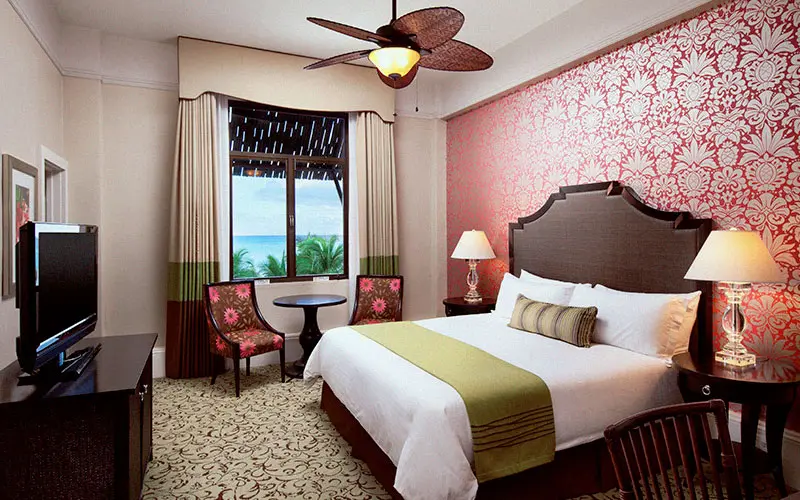
For travelers focusing on value, options often exist away from the immediate beachfront. In Waikiki, you can find older, charming hotels that provide clean, functional rooms for $200–$300 per night. While these might not offer the full resort experience, they serve as an excellent base of operations for those who plan to spend their days exploring Diamond Head or surfing the famous North Shore waves.
Luxury Resorts and High-End Villas
If your vision of Hawaii involves swim-up bars, sprawling lanais, and personalized concierge services, your budget will need to reflect the premium nature of the islands. Iconic properties such as the Four Seasons Resort Maui at Wailea or the 1 Hotel Hanalei Bay regularly command rates starting at $1,000 per night. These resorts often include resort fees, which can add an extra $50–$100 to your daily total, covering amenities like high-speed internet, shuttle services, and cultural classes.
The Impact of Seasonality and Geography
Your travel dates play a massive role in the final price tag. Hawaii is a year-round destination, but demand surges during certain windows, which directly inflates room rates.
Peak Season vs. Low Season
The most expensive times to visit are during the winter holidays, particularly late December through early January, and during the spring break season in March and April. During these times, even mid-range hotels can see their nightly rates double. Conversely, the “shoulder” seasons—typically mid-April to early June and September to mid-December—offer the most competitive pricing. During these slower months, luxury properties often run promotions or package deals that can save savvy travelers hundreds of dollars.
Island-Specific Costs
Not all islands are priced the same. Oahu generally offers the widest variety of price points due to the sheer volume of hotel inventory in Honolulu. If you are looking for a bargain, this is where you will find it.
On the other hand, Lanai and The Big Island tend to have a higher concentration of exclusive, high-end resorts. While The Big Island does have more affordable pockets, staying in areas like Kohala Coast often means committing to a luxury price tier. Kauai sits somewhere in the middle, offering a blend of boutique hotels and grand resorts, with prices often dictated by proximity to the lush Na Pali Coast.
Hidden Costs: Navigating Fees and Taxes
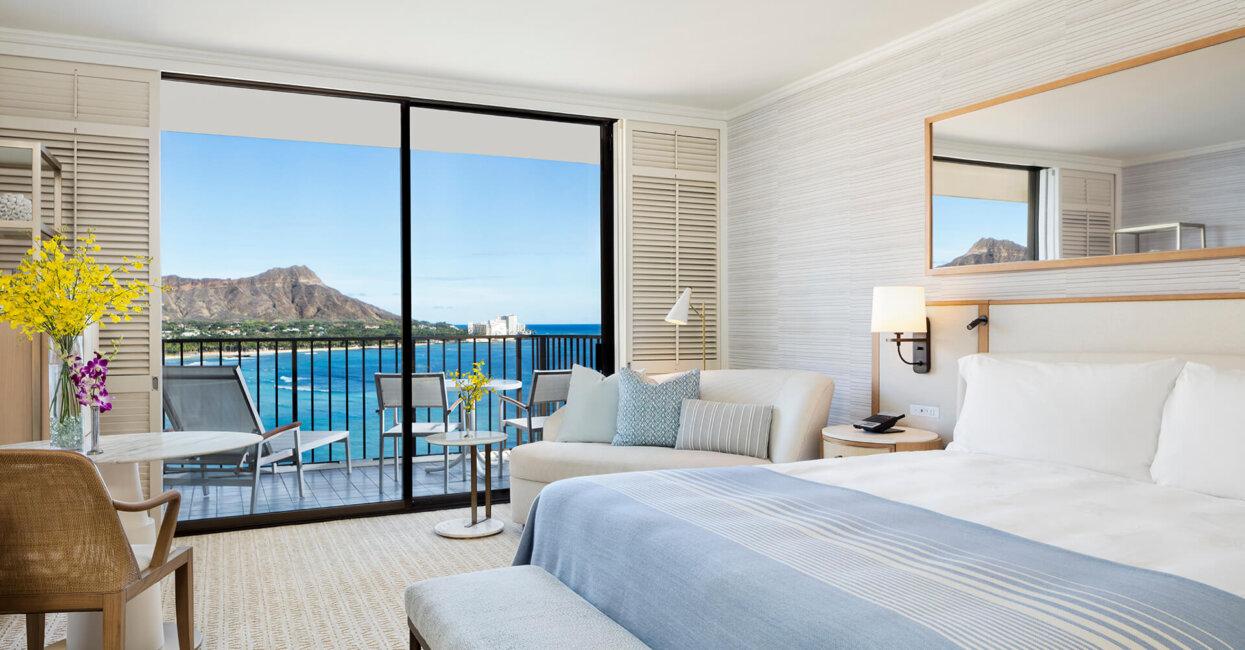
When checking the price of a hotel room, never take the initial number at face value. The “advertised rate” rarely accounts for the full financial commitment required for a stay in Hawaii.
Resort Fees and Amenities
Most major resorts in Hawaii charge a mandatory daily resort fee. This fee is ostensibly meant to cover the cost of maintaining expansive pools, fitness centers, and beach equipment. While sometimes these fees include valuable perks like free rental car parking or breakfast credit, they are effectively a mandatory surcharge on your room rate. Always check the fine print during the booking process to ensure you are not blindsided at checkout.
Taxes and Transient Accommodations
Hawaii has a Transient Accommodations Tax (TAT) and a General Excise Tax (GET), both of which are added to the cost of lodging. These combined taxes can add 15% to 18% to your final bill. When budgeting, it is a safe rule of thumb to add 20% to the advertised nightly rate to account for these taxes and the inevitable resort fees.
Parking Charges
For those renting a vehicle—which is often necessary to explore hidden gems like Hanauma Bay or the Waimea Canyon—parking fees can be a significant hidden cost. In high-density areas like Waikiki, self-parking can cost between $30 and $50 per night. Boutique hotels and vacation rentals outside of major resort hubs may offer free parking, which can save you hundreds of dollars over the course of a week-long vacation.
Tips for Securing the Best Value
Securing a great rate in Hawaii is part art, part science. With high demand and limited island space, the best deals go to those who plan strategically.
Leverage Loyalty Programs
If you are a member of a global hotel loyalty program, use it. Hotels belonging to large chains, such as those found in Ko Olina or Kaanapali, often provide significant discounts, room upgrades, or waived resort fees to frequent travelers. Even if you aren’t a high-tier member, signing up for the hotel’s newsletter can sometimes unlock “member-only” rates that are 10% to 15% lower than public booking sites.
Book Early or Last-Minute
There are two distinct schools of thought regarding booking in Hawaii. Booking six to nine months in advance is the safest way to guarantee availability, especially if you have your heart set on a specific view or property type. However, for those with flexible schedules, booking within 14 days of travel can sometimes lead to deep discounts if a resort has high vacancy and needs to fill rooms. This is a riskier strategy, but it can be highly rewarding during the off-season.
Consider Alternative Accommodations
If traditional hotels exceed your budget, consider looking into legal vacation rentals. While Hawaii has strict regulations regarding short-term rentals, there are many licensed condos and villas available. These properties often feature kitchens, which allow you to save money by preparing some of your own meals rather than dining out for every breakfast, lunch, and dinner. Staying in a condominium complex near Poipu Beach or Kailua-Kona can offer a more authentic, residential experience while keeping your overall lodging costs lower than a full-service resort.
Ultimately, a hotel room in Hawaii is an investment in your experience. By understanding the seasonal ebbs and flows, accounting for mandatory taxes and fees, and choosing your island base with care, you can ensure your accommodation budget aligns with your expectations for this breathtaking tropical paradise. Whether you choose a high-rise in Honolulu or an intimate bungalow on Maui, the memories you create will be well worth the cost of admission.
LifeOutOfTheBox is a participant in the Amazon Services LLC Associates Program, an affiliate advertising program designed to provide a means for sites to earn advertising fees by advertising and linking to Amazon.com. Amazon, the Amazon logo, AmazonSupply, and the AmazonSupply logo are trademarks of Amazon.com, Inc. or its affiliates. As an Amazon Associate we earn affiliate commissions from qualifying purchases.