
Planning a trip to the tropical archipelago of Hawaii is a dream for many travelers, yet the financial commitment often begins with the daunting task of securing airfare. Because the islands are located in the middle of the Pacific Ocean, flight costs are a significant portion of the total travel budget. Understanding the variables that influence these prices is the key to securing a deal that allows you to save your resources for enjoying the pristine beaches and lush landscapes of Oahu, Maui, Kauai, and the Big Island.
Factors Influencing Airfare Costs to Hawaii
Several dynamic factors dictate the price of a seat on a flight to the islands. Recognizing these components helps travelers anticipate costs and identify the best times to book.
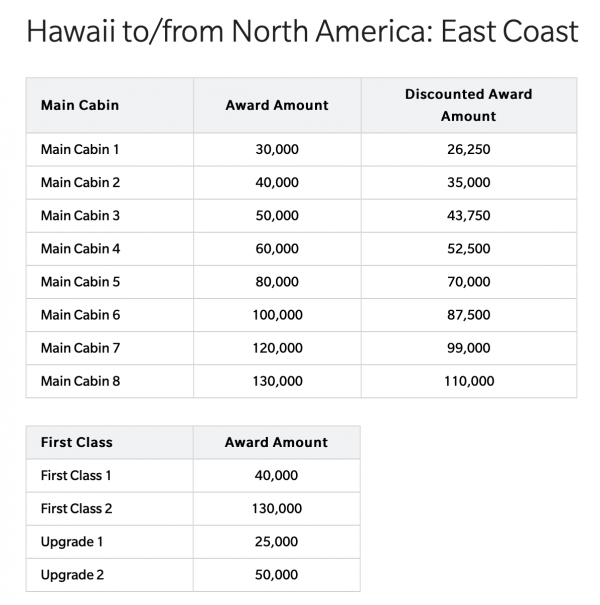
Seasonal Demand and Holidays
The most significant driver of airfare costs is seasonality. Hawaii is a year-round destination, but prices spike drastically during school holidays, specifically around Christmas, New Years, Spring Break, and the peak summer months of June and July. During these windows, demand far outweighs supply, and airlines maximize revenue by increasing prices. Conversely, the “shoulder seasons”—typically mid-January through early March and late August through early November—often see a dip in prices as tourist traffic slows down.
Departure Airport and Carrier Competition
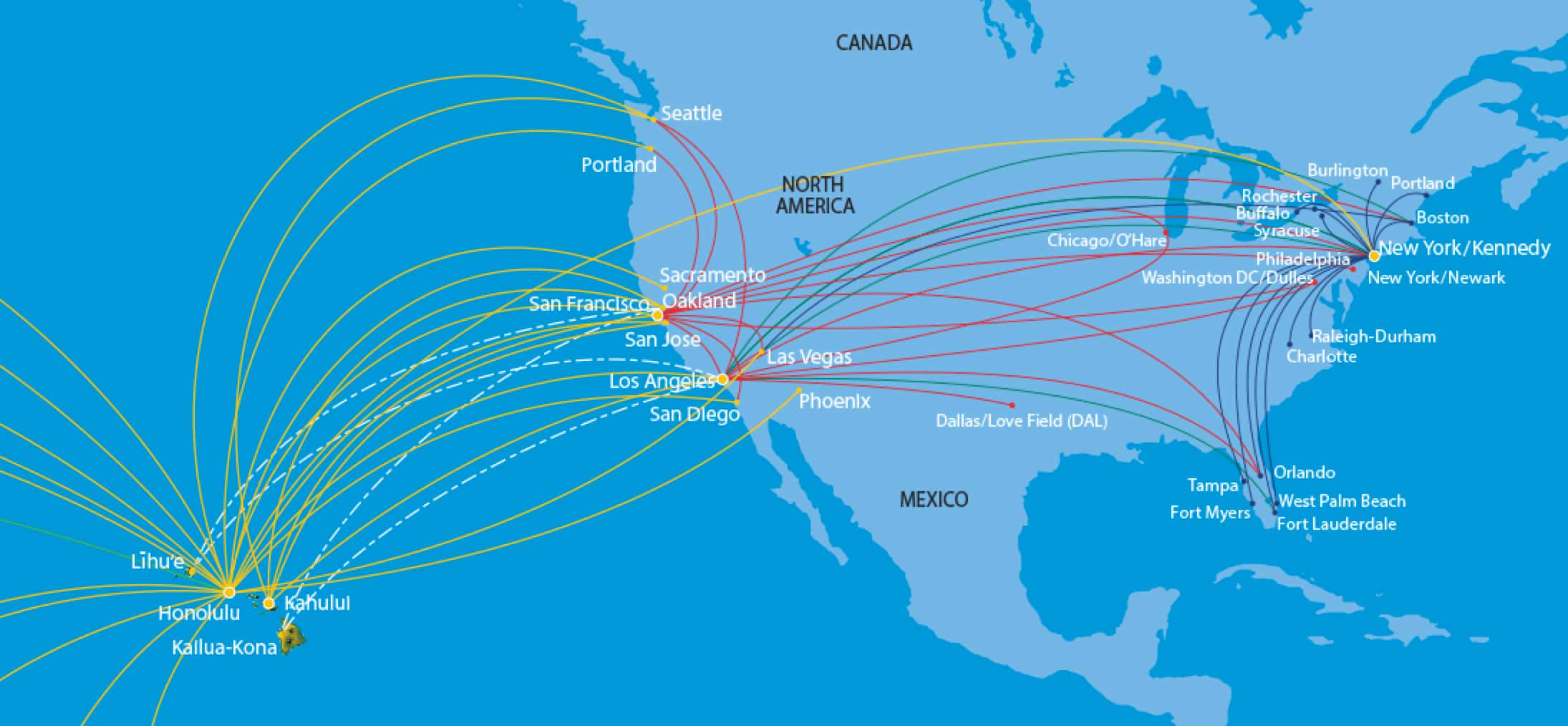
Where you fly from matters immensely. Flights from major West Coast hubs like Los Angeles, San Francisco, Seattle, and San Diego are generally more affordable due to shorter flight durations and increased competition among airlines. Travelers departing from the East Coast or the Midwest—such as New York, Chicago, or Atlanta—should expect higher base fares. When legacy carriers like United Airlines, American Airlines, and Delta Air Lines compete directly with low-cost carriers on specific routes, ticket prices often become more accessible.
Budgeting for Your Flight
For a domestic traveler within the United States, a round-trip ticket to Honolulu or Kahului can vary wildly based on the booking lead time and the cabin class.
Economy Class Expectations
On average, a round-trip economy ticket from the United States mainland can range anywhere from $400 to over $1,200. During off-peak months, budget-conscious travelers flying from the West Coast can occasionally find deals as low as $300 to $500. However, those flying from further inland should plan for a base cost closer to $700 or $800. It is essential to account for baggage fees, seat selection, and potential inflight meal purchases, which can add significant overhead to the “base” fare advertised on comparison sites.
Premium Cabin Considerations
If comfort is a priority, business and first-class tickets significantly elevate the experience, particularly on long-haul flights from Boston or Washington DC. Expect to pay anywhere from $2,500 to $6,000 or more for premium seating. While these tickets provide lie-flat seats and gourmet meal services, they are rarely discounted. Travelers often look for credit card point redemptions or airline miles to offset these steep costs.
Strategic Tips for Lowering Your Costs
Securing a lower fare is as much about strategy as it is about luck. Savvy travelers employ specific tactics to ensure they aren’t overpaying for their seat.
The Power of Flexibility
Flexibility is the single greatest asset for a traveler looking to save money. Using tools that display a calendar view of prices allows you to see that shifting your departure or return date by just two or three days can save hundreds of dollars. Mid-week flights, specifically Tuesdays and Wednesdays, are almost universally cheaper than flights departing on Fridays or Sundays, when vacationers are looking to maximize their time off.
Monitoring Fare Alerts
Airfare pricing algorithms are complex and fluctuate daily. Setting up automated fare alerts on travel aggregation websites ensures you are notified the moment prices drop for your specific dates. Furthermore, booking in advance is generally recommended, but the “sweet spot” is typically between three and six months prior to your departure date. Booking too early can be as costly as booking too late, as airlines may not have released their most competitive fare buckets yet.
Considering Multi-Island Travel
When visiting Hawaii, many travelers want to see more than one island. Keep in mind that inter-island flights are handled by different airlines such as Hawaiian Airlines or Southwest Airlines. If you are island hopping, factor in these additional costs, which typically range from $60 to $150 per leg. Booking these flights separately from your main journey to the islands is often the most cost-effective approach.
Summary of Costs and Expectations
Ultimately, the cost of a plane ticket to Hawaii is a reflection of current market trends, airline capacity, and your own willingness to be flexible. While you might see headlines about $200 round-trip flights, those represent outliers that require specific departure origins and extreme timing flexibility. For the average traveler, budgeting between $600 and $900 for a round-trip ticket is a realistic and responsible starting point.
By understanding the seasonal shifts, leveraging the competition between major carriers, and remaining diligent with price tracking, you can effectively manage the largest expense of your Pacific getaway. Once the flight is secured, you can shift your focus to the finer details of your trip: choosing the right resort in Waikiki, booking excursions to Pearl Harbor, or planning a drive along the Road to Hana. Hawaii remains a premier destination for a reason, and a well-planned budget ensures the experience is as seamless and enjoyable as the ocean breeze.
LifeOutOfTheBox is a participant in the Amazon Services LLC Associates Program, an affiliate advertising program designed to provide a means for sites to earn advertising fees by advertising and linking to Amazon.com. Amazon, the Amazon logo, AmazonSupply, and the AmazonSupply logo are trademarks of Amazon.com, Inc. or its affiliates. As an Amazon Associate we earn affiliate commissions from qualifying purchases.