
Relocating to the middle of the Pacific Ocean is a dream for many, but the logistical and financial hurdles involved in moving to Hawaii are significant. The islands represent a unique paradox: they are a paradise of unmatched natural beauty, yet they remain one of the most expensive places in the United States to live. Before packing your belongings, it is essential to conduct a granular analysis of the costs, from shipping your life across the ocean to navigating the high cost of living once you arrive.
The Logistics of Moving Your Life Across the Pacific
The first hurdle in any move to Oahu, Maui, Kauai, or the Big Island is the physical transportation of your assets. Unlike a traditional move between states on the mainland, you cannot simply rent a truck and drive.
Shipping Your Household Goods
Unless you are planning to arrive with nothing but a few suitcases, you will need to utilize ocean freight. Moving companies charge based on volume, typically measured in cubic feet. For a standard two-bedroom apartment, shipping costs can range between $5,000 and $12,000, depending on the volume of items and whether you choose a door-to-door or port-to-port service. It is highly recommended to sell or donate as much as possible before moving; the cost of shipping furniture often exceeds the value of the items themselves.
Vehicle Transportation
Many new residents underestimate the cost of moving a car. Shipping a vehicle from a West Coast port like Los Angeles or Seattle to Honolulu typically costs between $1,500 and $3,000. Additionally, you must account for the cost of driving your car to the port of origin and picking it up at the port of arrival. Once in the islands, you will face strict registration fees and potential out-of-state vehicle taxes, which can be an unexpected hit to your initial relocation budget.
Navigating the High Cost of Living
Once you have successfully landed and settled into your new home, the financial reality of the islands sets in. Residents often refer to this as the “paradise tax.”
Housing and Rent Trends
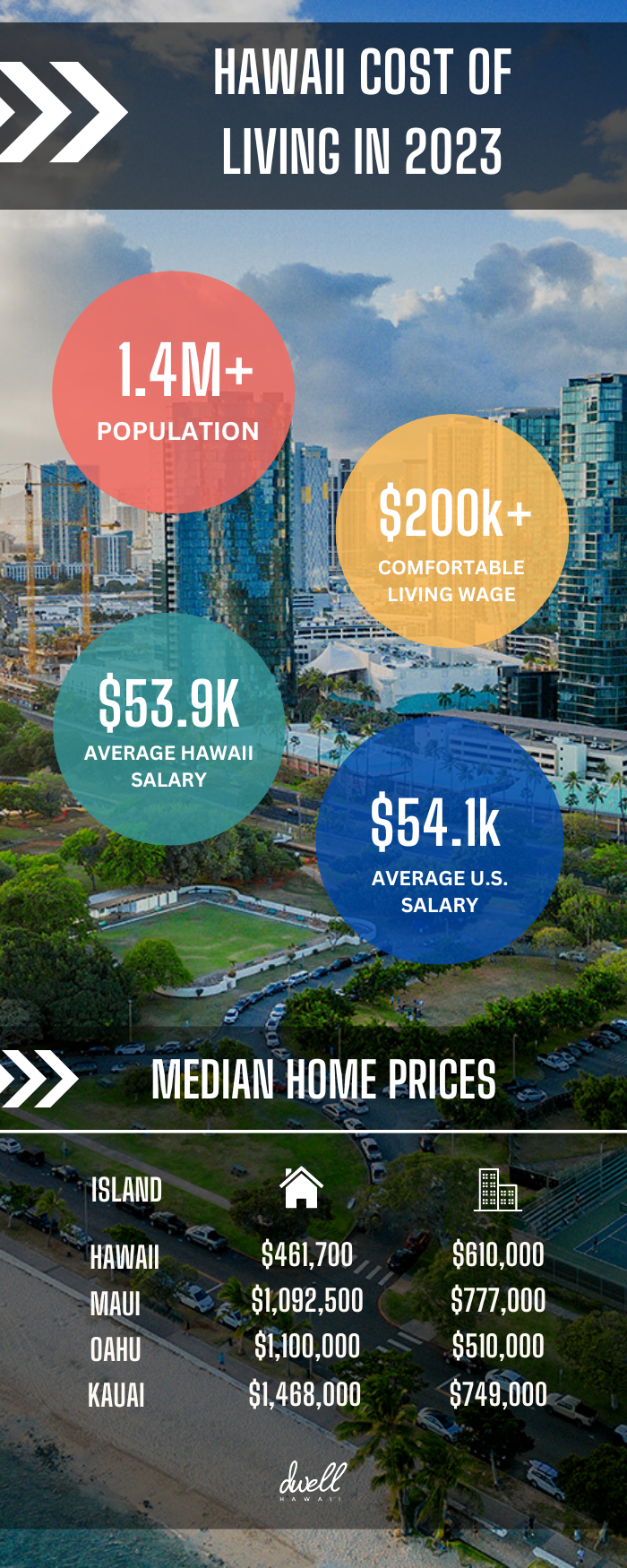
Housing is the single largest expenditure for residents in Kailua-Kona or Lahaina. Renting a one-bedroom apartment in a desirable area can easily command $2,000 to $3,500 per month, while purchasing a home often requires a significant down payment due to limited supply and high demand from international investors. When budgeting, you must factor in that square footage is significantly lower than what you might be accustomed to in states like Texas or Arizona.
Utility and Grocery Expenses
Because the islands are isolated, almost all goods must be imported by sea or air. This leads to significantly higher prices for groceries, household staples, and fuel. A gallon of milk or a loaf of bread can cost double what you might pay in Chicago. Furthermore, electricity costs are among the highest in the nation. Relying on air conditioning is a luxury that reflects heavily on your monthly utility bill. Many residents adapt by embracing island-style living—opening windows for cross-breezes and adjusting to lower energy consumption habits.
Essential Budgeting Categories for New Residents
To maintain a sustainable lifestyle in a place as alluring as Waikiki or Hilo, your budget must be structured with precision.
The Emergency Buffer
Financial experts generally recommend having at least six months of living expenses saved before making the move. The job market in Hawaii is heavily tied to the service and tourism industries, and finding a position that pays a “mainland salary” can be difficult. Having a liquid cash buffer is crucial for surviving the transition period, especially if you experience unexpected delays in securing employment.
Transportation and Lifestyle Choices
While public transportation, such as TheBus in Oahu, is available, most residents find a personal vehicle necessary, especially on islands with less developed infrastructure like Molokai or Lanai. Between fuel prices, which consistently rank as the highest in the country, and the wear and tear caused by the salt air, your automotive budget will be higher than expected.
Furthermore, recreational costs should be planned. While many of the best experiences—such as visiting Hanauma Bay or hiking the Diamond Head State Monument—are low-cost, the social aspect of living in a vacation destination means that dining out and leisure activities can quickly erode your savings if you are not disciplined.
Long-Term Financial Sustainability
Moving to the islands is not just a change of address; it is a change of lifestyle that requires a long-term commitment.
Economic Opportunities
Before committing to the move, research the industry you work in. While Remote Work has made it easier for mainland employees to relocate, you must consider the time zone difference. Working for a company based in New York means starting your day in the very early hours of the morning. Ensure your employer is supportive of your relocation and understands the logistical implications of your new time zone.
Evaluating the Return on Investment
Is the cost worth it? For many, the answer is a resounding yes. The access to world-class beaches, the vibrant local culture of the Polynesian Cultural Center, and the temperate climate offer a quality of life that cannot be measured in dollars and cents. However, those who move without a concrete financial plan often find themselves returning to the mainland within two years.

Final Financial Checklist
Before you commit to the move:
- Debt Reduction: Pay off as much high-interest debt as possible to free up your monthly cash flow.
- Medical Costs: Ensure your healthcare provider has coverage in the state, as many mainland insurance plans have limited networks within the islands.
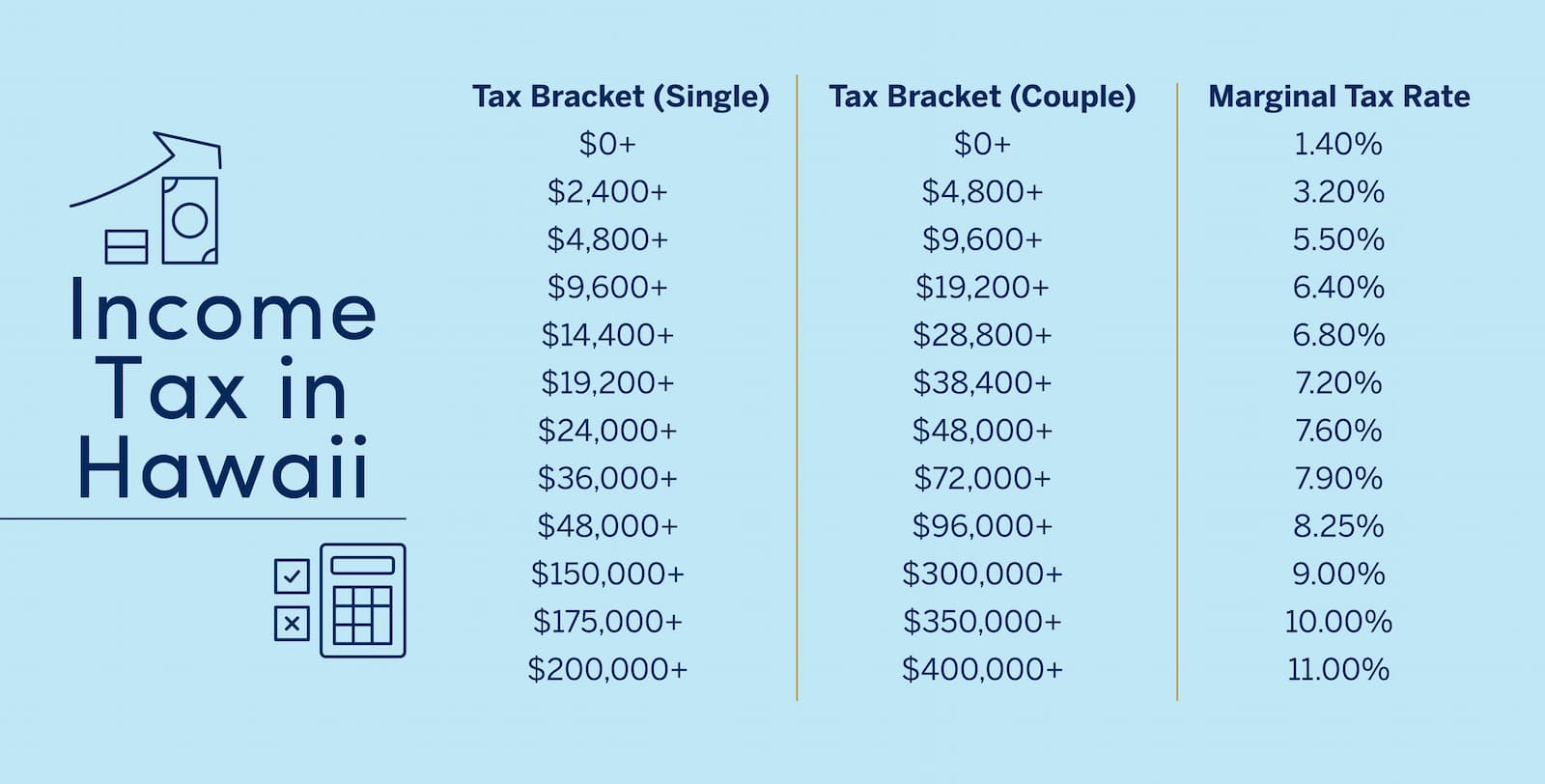
- Tax Considerations: Research the state income tax rates. Hawaii has a progressive income tax system, and it is vital to understand your take-home pay after state taxes are deducted.
- Pet Relocation: If you have pets, remember that the islands have strict rabies quarantine laws. Budgeting for the required vaccinations, microchipping, and potential quarantine fees is an absolute necessity for animal owners.
By preparing for the financial reality of island life, you turn a daunting transition into a calculated, successful move. While the expenses are undeniably steep, for those who value nature, a slower pace of life, and a deep connection to the environment, the investment in a new beginning in the Pacific is often considered the most valuable purchase of a lifetime.
LifeOutOfTheBox is a participant in the Amazon Services LLC Associates Program, an affiliate advertising program designed to provide a means for sites to earn advertising fees by advertising and linking to Amazon.com. Amazon, the Amazon logo, AmazonSupply, and the AmazonSupply logo are trademarks of Amazon.com, Inc. or its affiliates. As an Amazon Associate we earn affiliate commissions from qualifying purchases.