
Traveling to the Hawaiian archipelago is a dream for many, offering a unique blend of volcanic landscapes, lush rainforests, and world-class beaches. Located in the middle of the Pacific Ocean, this collection of islands—most notably Oahu, Maui, Kauai, and the Big Island—requires careful planning to ensure a seamless and respectful visit. Whether you are seeking the vibrant energy of Honolulu or the rugged tranquility of Hana, understanding the logistics of island hopping and cultural etiquette is paramount.
Planning Your Arrival and Transportation
Successfully navigating Hawaii begins with selecting the right gateway and understanding how to traverse the islands once you land. Most international and mainland flights arrive at Daniel K Inouye International Airport, the primary hub for the islands. From there, your transit strategy depends heavily on which island you intend to explore first.
Inter-Island Travel
While some travelers choose to spend their entire trip on one island, others prefer to sample the diversity of the archipelago. Inter-island travel is almost exclusively handled by air. Hawaiian Airlines and Southwest Airlines provide frequent daily flights between the major islands. These flights are generally short, often taking less than an hour, making it feasible to see multiple islands in a single trip. Booking these regional flights in advance is highly recommended, especially during the peak summer and winter holiday seasons.
Getting Around on Land
Public transportation exists, such as the TheBus on Oahu, which is an excellent way to navigate the urban areas. However, for those looking to explore the hidden gems and natural wonders, renting a car is essentially non-negotiable. Whether you are driving the winding Road to Hana or navigating the Waimea Canyon roads, having your own vehicle provides the freedom necessary to visit remote trails and secluded shorelines that are inaccessible via public transit.
Choosing the Best Time and Island for Your Trip
Hawaii is a year-round destination, but the experience changes significantly based on the season and the specific island chosen. Understanding the nuances of the climate and the tourist cycle will help you avoid crowds and enjoy the best weather conditions.
Weather Patterns and Seasonal Considerations
The islands feature micro-climates that can change from sunny to rainy within a few miles. Generally, the summer months (June through August) offer warmer temperatures and calmer ocean conditions, making them ideal for snorkeling and swimming. The winter months (December through March) bring larger swells to the North Shores, which are magnificent to observe but can be dangerous for novice swimmers. Additionally, winter is the peak season for whale watching, particularly off the coast of Maui, where humpback whales migrate annually.
Selecting Your Destination
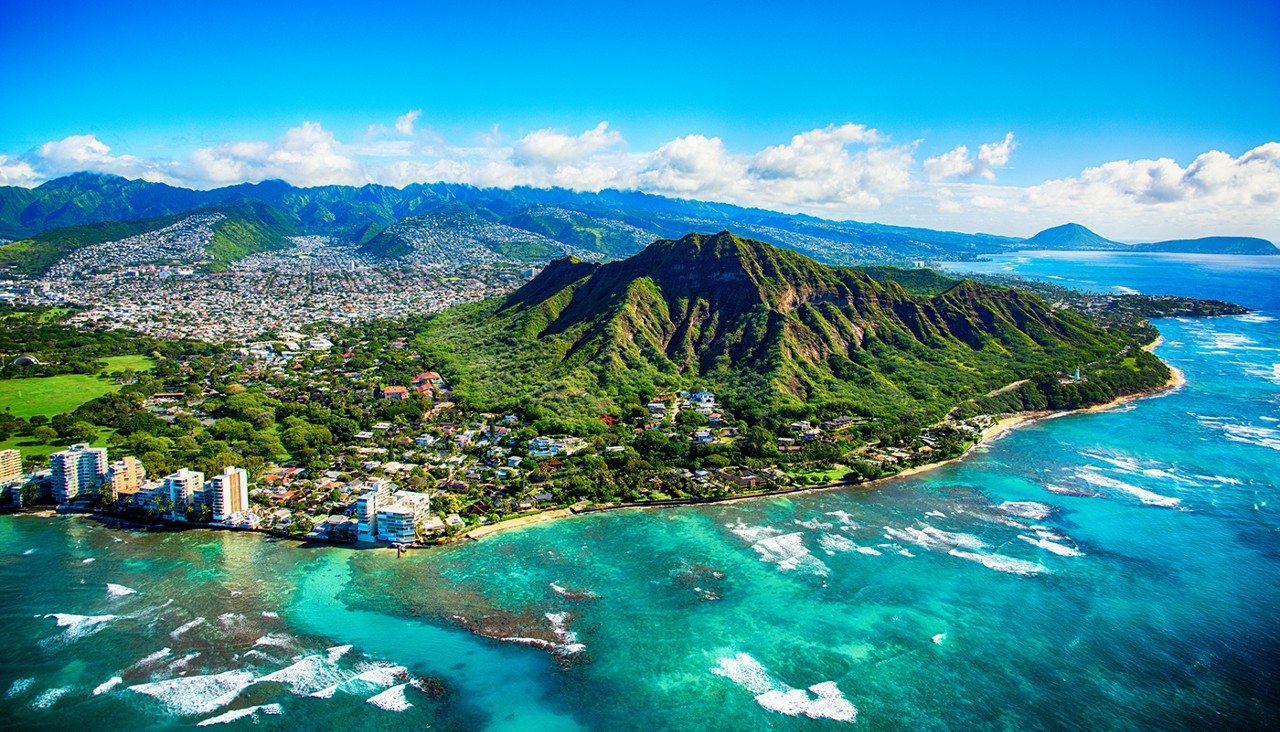
- Oahu: Known as “The Gathering Place,” this is where you will find a mix of big-city convenience and historical significance, including Pearl Harbor and the famous Waikiki Beach.
- Maui: Perfect for those seeking a balance of luxury resorts and adventurous activities like exploring Haleakala National Park.
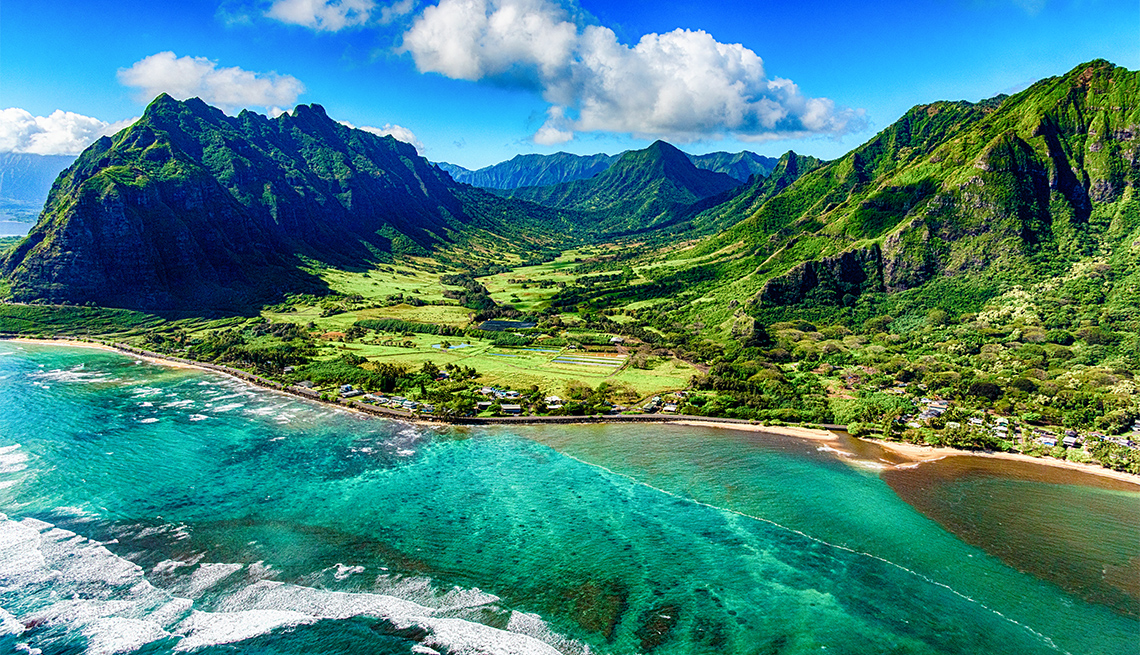
- Kauai: Known as “The Garden Isle,” it is ideal for nature lovers, offering dramatic cliffs at the Na Pali Coast and the lush valleys of the North Shore.
- Big Island: Home to Hawaii Volcanoes National Park, this island is perfect for visitors interested in geology, stargazing at Mauna Kea, and diverse landscapes ranging from lava fields to coffee farms in Kona.
Respecting Local Culture and Environment
Tourism in Hawaii carries a significant responsibility. The state’s delicate ecosystem and deep-rooted cultural heritage require visitors to practice “malama,” which translates to caring for or protecting the land and its people. Integrating into the community with respect is a vital component of the Hawaiian travel experience.
Environmental Stewardship
The natural beauty of Hawaii is its greatest asset, but it is also highly fragile. When visiting the beaches, always use reef-safe sunscreen to prevent chemical damage to the coral reefs. When hiking, stick strictly to marked trails to avoid damaging endemic plant life or trespassing on sacred ground. Furthermore, visitors should be mindful of wildlife, such as the Hawaiian Monk Seal and the Green Sea Turtle. Federal and state laws strictly prohibit touching or harassing these protected species, so always maintain a respectful distance.
Cultural Awareness
Hawaiian culture is vibrant, historical, and deeply connected to the land. As a visitor, engage with local businesses and community-led tours rather than just major commercial operations. When attending cultural events or visiting historical sites like the Iolani Palace, observe local customs and dress modestly. If you choose to attend a luau, look for those that provide authentic education on the history of the Polynesian influence on the islands. Understanding the “spirit of Aloha”—which goes far beyond a simple greeting—will greatly enrich your interaction with the local residents.
Essential Tips for a Seamless Experience
To finalize your travel arrangements, consider the practical details that often get overlooked until it is too late. Preparation is the key to minimizing stress and maximizing your time spent enjoying the scenery.
Packing and Preparation
Pack light, but pack smart. While the islands are casual, you will need sturdy hiking boots for the mountainous terrain, water shoes for rocky shorelines, and a high-quality raincoat for sudden tropical showers. Do not forget a reusable water bottle; the islands have made significant efforts to reduce single-use plastic, and many refill stations are available.
Budgeting for the Islands
Hawaii is not a budget destination. Costs for groceries, fuel, and activities are often higher than on the mainland due to the necessity of importing many goods. To manage your expenses, consider shopping at local farmer’s markets rather than relying solely on tourist-centric restaurants. Look for free community events, such as beach-side hula performances or public nature walks, which allow you to experience the authentic culture without a high entry fee.

Staying Connected
While many resorts offer Wi-Fi, cell service can be spotty in remote areas like the interior of Kauai or the slopes of Mauna Loa. Download offline maps before heading out on any road trip to ensure you can navigate safely. Always keep your phone charged and carry an external battery pack if you plan on spending long days in the field, as your device will be working hard to find a signal in the more isolated parts of the islands. By combining thorough preparation with a respectful attitude toward the local land and customs, your trip to this Pacific paradise will be both memorable and meaningful.
LifeOutOfTheBox is a participant in the Amazon Services LLC Associates Program, an affiliate advertising program designed to provide a means for sites to earn advertising fees by advertising and linking to Amazon.com. Amazon, the Amazon logo, AmazonSupply, and the AmazonSupply logo are trademarks of Amazon.com, Inc. or its affiliates. As an Amazon Associate we earn affiliate commissions from qualifying purchases.