
When travelers and prospective residents consider a move or an extended stay in the Pacific, the political and social climate of Hawaii often becomes a topic of nuanced discussion. While much of the dialogue surrounding “sanctuary” status is rooted in legal frameworks and immigration policy, understanding how these policies influence the local social fabric is essential for those looking to immerse themselves in the islands. Whether you are planning a long-term sabbatical in Honolulu or researching the cultural landscape of the United States, it is vital to distinguish between political designations and the lived reality of local culture.
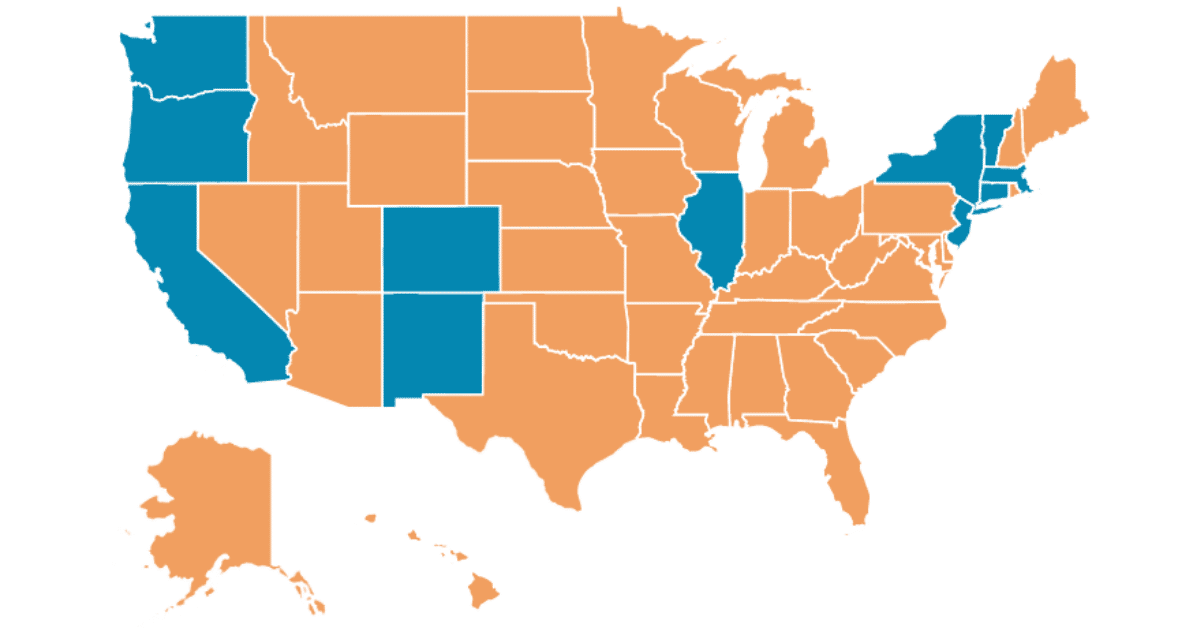
The Legal and Cultural Framework of Hawaii
The term “sanctuary state” typically refers to jurisdictions that limit their cooperation with federal immigration enforcement. While Hawaii has historically maintained a reputation for being an inclusive and welcoming environment, its status is often debated through a lens of local governance versus federal authority.
Legislative Standing and Local Governance
In the Hawaiian Islands, the approach to social policy is deeply informed by the concept of Aloha. This is not merely a greeting but a legislative and social philosophy that prioritizes the well-being and inclusion of all people who reside within the archipelago. While Hawaii does not have a single piece of legislation that formally declares it a “sanctuary state” in the same vein as some mainland regions, the state government has consistently demonstrated a commitment to protecting the rights of its residents, regardless of their background.
The Role of Aloha Spirit in Social Integration
For those interested in the Tourism and Local Culture of the region, the local attitude toward immigration and diversity is perhaps more defining than any administrative label. The history of Hawaii is one of migration, trade, and cultural exchange. From the arrival of the earliest Polynesian voyagers to the plantation era that brought workers from Japan, China, Philippines, and Portugal, the state is a melting pot. This history creates a society that generally prioritizes community cohesion and the Malama—the act of caring for one another—over rigid exclusionary practices.
Impacts on Tourism and Cultural Engagement
For travelers, the question of whether Hawaii functions as a sanctuary impacts the overall experience of the Pacific culture. The local population takes immense pride in a culture that remains open to visitors from across the globe, ensuring that the visitor experience is one of safety, respect, and mutual understanding.
Community-Based Tourism
Tourism in Hawaii is increasingly moving toward models that emphasize cultural respect and sustainable interaction. When you visit landmarks such as Pearl Harbor or the Polynesian Cultural Center, you are engaging with a population that prides itself on being globally minded. This environment is facilitated by the state’s general stance on inclusion, which fosters a welcoming atmosphere for international travelers.

Navigating the Local Landscape
Visitors should keep in mind that while the state is welcoming, it also faces significant challenges regarding infrastructure and cultural preservation. Being a respectful guest involves understanding that local culture is the heartbeat of the islands. Whether you are visiting Oahu or the more rural landscapes of Kauai, the expectation is that visitors adhere to local customs. This symbiotic relationship—where the visitor respects the land and the culture, and the culture provides a welcoming environment—is the true essence of Hawaii.
Practical Tips for Understanding Local Culture
For those considering a longer-term stay or a deep dive into the local way of life, it is helpful to look beyond political headlines and understand the actual daily interactions that define the island experience.
Engaging with Local Traditions
- Support Local Businesses: Whenever possible, choose locally owned establishments over multinational chains. This helps preserve the economic independence of local communities.
- Observe Cultural Protocols: When visiting sacred sites like the Iolani Palace or natural wonders like Haleakala National Park, follow all posted guidelines and exhibit the reverence due to these historically significant locations.
- Participate in Community Events: Attending local festivals, farmers’ markets, and cultural workshops is the best way to understand the diverse background of the people who call Hawaii home.
- Practice Sustainable Habits: The environment is central to the culture. Respect for the natural world—often referred to as Aina—is a cornerstone of the Hawaiian identity.
Why Context Matters for Travelers
While news outlets may frequently debate whether Hawaii meets specific legal criteria to be labeled a sanctuary, the average visitor will find that the state’s primary “sanctuary” is its culture of inclusivity and mutual respect. This has been fostered by generations of residents who have seen the islands transform from a remote kingdom to a modern, multicultural state. The Aloha State functions on a foundation of diverse backgrounds coming together to protect the uniqueness of the islands.
The Future of Inclusion in the Pacific
Looking ahead, Hawaii continues to navigate its role within the broader United States political landscape while remaining true to its Pacific roots. The discussions surrounding sanctuary policies are merely one facet of a much larger, ongoing dialogue about what it means to be an inclusive community.
Sustaining the Aloha Spirit
For those looking to explore the islands, the focus remains on the experience of the culture, the beauty of the Mauna Kea heights, and the serenity of the Waikiki Beach sands. As you plan your itinerary, consider how your presence can contribute positively to the local economy and cultural preservation. By prioritizing meaningful interactions, you support the very framework that makes these islands such a unique destination for travelers from every corner of the earth.

A Concluding Perspective
Ultimately, the label “sanctuary state” is a political construct that may fluctuate based on shifts in policy and legal interpretation. However, the culture of Hawaii is built on much firmer ground. It is defined by its history of immigration, its commitment to the Aloha Spirit, and its enduring belief in the importance of caring for one another. Whether you are traveling for leisure or looking to establish a more permanent connection to the islands, you will find that the true strength of Hawaii lies in its people and their consistent, welcoming approach to life in the middle of the Pacific Ocean. For the traveler, this means that while policies may change, the warmth and inclusiveness of the Hawaiian islands remain a constant beacon for those who approach them with respect and an open heart.
LifeOutOfTheBox is a participant in the Amazon Services LLC Associates Program, an affiliate advertising program designed to provide a means for sites to earn advertising fees by advertising and linking to Amazon.com. Amazon, the Amazon logo, AmazonSupply, and the AmazonSupply logo are trademarks of Amazon.com, Inc. or its affiliates. As an Amazon Associate we earn affiliate commissions from qualifying purchases.