
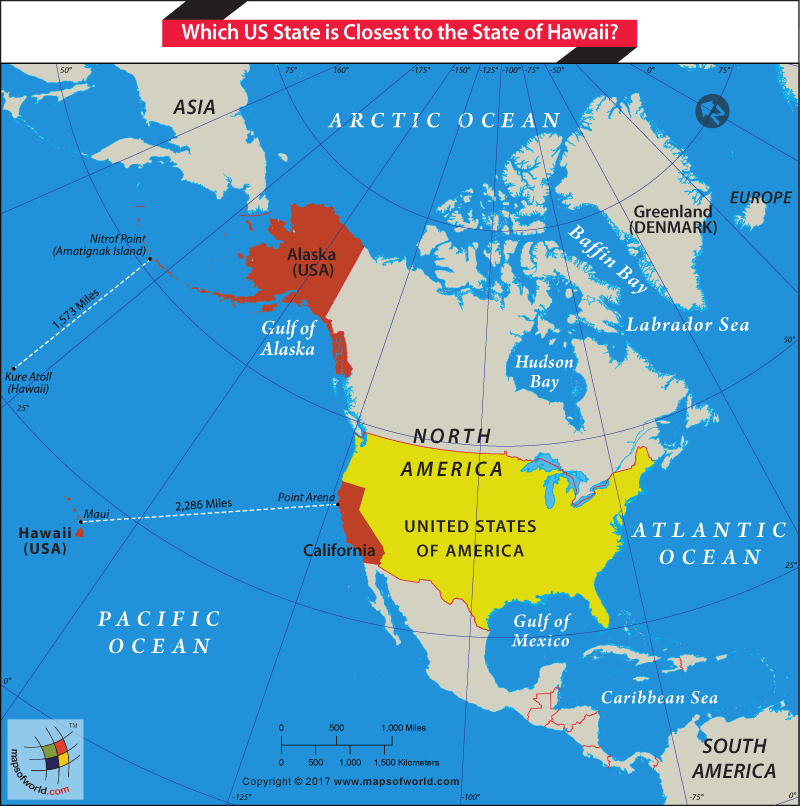
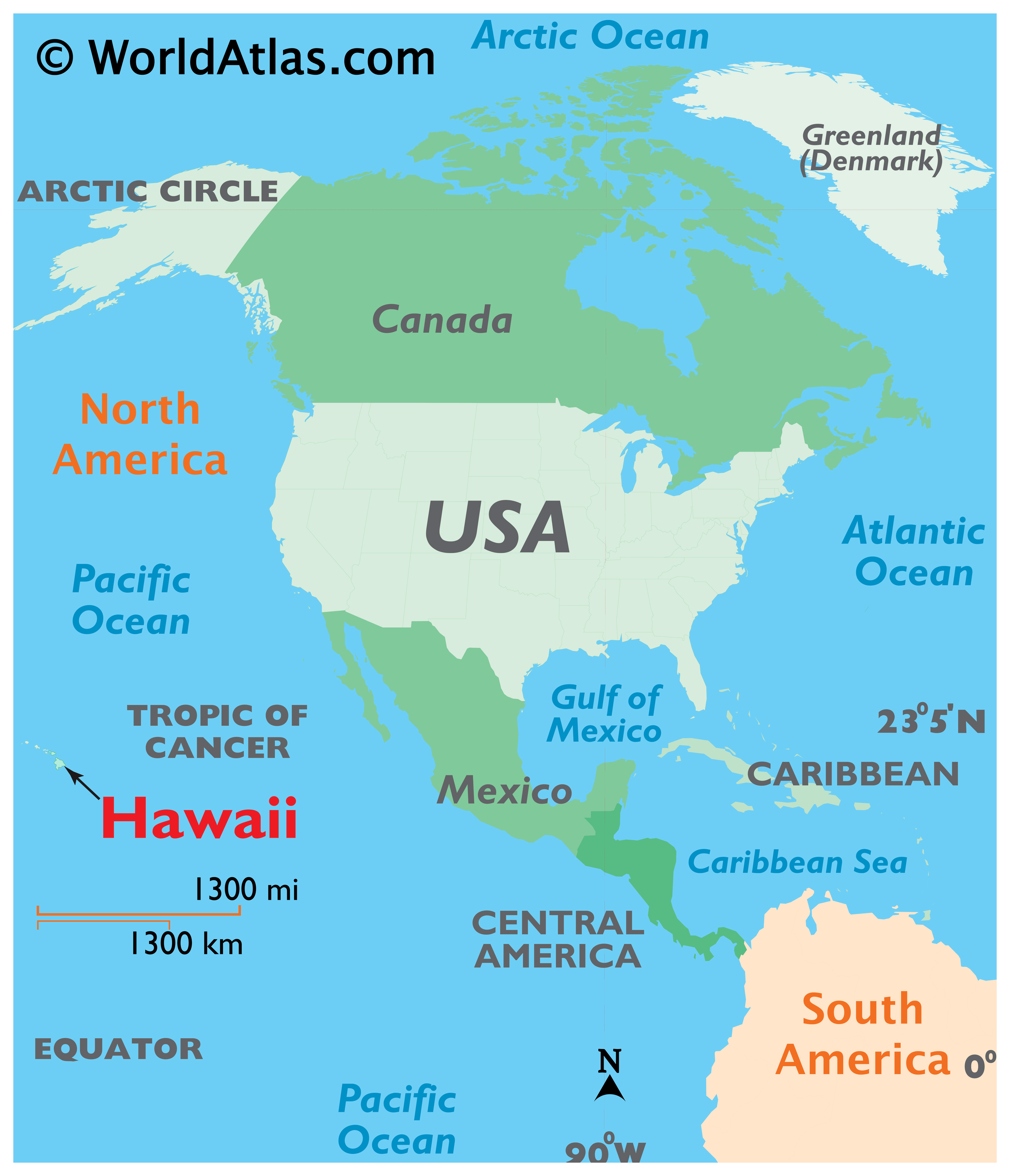
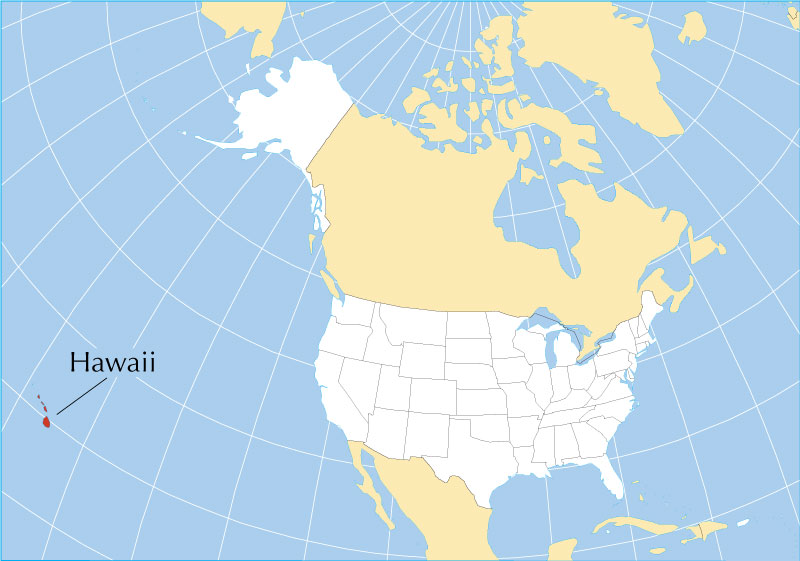
For many travelers and observers of global geography, the status of Hawaii often sparks curiosity. It is a cluster of islands located thousands of miles away from the North American mainland, nestled in the heart of the Pacific Ocean. Its unique Polynesian heritage, distinct flora and fauna, and tropical climate make it feel worlds apart from the bustling urban centers of the contiguous United States. Yet, the answer is definitively yes: Hawaii is the 50th state of the American union, admitted on August 21, 1959. Understanding how this came to be, and how it fits into the modern landscape of the nation, is essential for anyone planning to visit or learn about this enchanting archipelago.
The Historical Path to Statehood
The history of Hawaii is a complex tapestry of indigenous monarchy, international commerce, and eventual political integration. Long before it became a destination for luxury cruises or surf enthusiasts, the islands were governed by a long line of sovereign chiefs and, eventually, a unified monarchy.
The Kingdom of Hawaii
The islands were first united under the rule of King Kamehameha I in 1810. For the better part of the 19th century, the Kingdom of Hawaii functioned as a sovereign nation, recognized by major world powers including Great Britain and France. It was a thriving hub of trade, particularly as Western merchants recognized the strategic value of the islands as a waypoint for maritime routes across the Pacific.
The Overthrow and Annexation
The transition toward becoming an American territory was fraught with controversy. In 1893, a group of businessmen, largely of American descent, led a coup that overthrew Queen Liliuokalani. This eventually led to the annexation of the islands by the United States in 1898 during the Spanish American War, largely due to the islands’ utility as a naval coaling station. The strategic importance of Pearl Harbor cemented the American military interest in the archipelago, setting the stage for decades of territorial status before the eventual push for statehood.
Hawaii’s Unique Cultural Identity
Despite its political status as the 50th state, Hawaii maintains an identity that is profoundly different from any other state in the union. This identity is defined by a fusion of Native Hawaiian traditions, Asian immigration patterns, and Western influence.
The Melting Pot of the Pacific
The demographic makeup of Hawaii is a testament to its history as a plantation economy. Throughout the late 19th and early 20th centuries, laborers from Japan, China, Korea, Portugal, and the Philippines migrated to the islands to work on sugarcane and pineapple plantations. Today, this influence is visible everywhere, from the local cuisine—such as the famous “plate lunch”—to the vibrant festivals that occur throughout the year.
The Preservation of Native Hawaiian Culture
Statehood has not eroded the indigenous spirit of the islands. Instead, there has been a significant cultural renaissance. Visitors to islands like Oahu, Maui, Kauai, and the Big Island will notice the prominence of the Hawaiian language, the deep respect for the land (known as aina), and the preservation of traditional arts like the hula and outrigger canoeing. This blend of “American” political structures and “Polynesian” cultural values is precisely what makes Hawaii such a unique place to visit.
Tourism and the Modern Hawaiian Experience
While the administrative status of Hawaii is firmly American, the experience of being there is entirely global and tropical. Tourism is the primary economic engine of the state, drawing millions of visitors who come to witness the sheer natural beauty and the relaxed “Aloha Spirit” that defines the local lifestyle.
Infrastructure and Travel
Because Hawaii is an American state, travelers coming from the mainland do not need passports, currency exchanges, or visas. Domestic flights operate daily from major hubs like Los Angeles, San Francisco, and Seattle, making travel remarkably convenient. The infrastructure, including highways, electrical grids, and telecommunications, follows American standards, which provides a high degree of comfort and familiarity for travelers who might otherwise be intimidated by long-haul travel to remote islands.
Balancing Nature and Development
As a state, Hawaii faces unique challenges in balancing mass tourism with environmental stewardship. The state has implemented strict regulations to protect its delicate ecosystems, such as those found at Haleakala National Park or the pristine waters of Hanauma Bay. Tourists are often encouraged to participate in sustainable tourism practices, ensuring that the beauty of the Pacific Ocean and the volcanic landscapes remains intact for future generations.
Why Hawaii Stays in the Hearts of Travelers
The question of whether Hawaii is an American state is usually answered with facts about Congress and the Constitution, but the emotional answer is far more nuanced. Hawaii serves as an exotic bridge between the structured, fast-paced life of the West and the serene, rhythmic existence of the Pacific.
A State of Contrast
You can start your morning hiking through the lush, emerald cliffs of the Na Pali Coast and end your evening dining in a high-end, contemporary restaurant in Honolulu. The proximity of world-class shopping, modern healthcare, and high-speed internet to untamed wilderness and ancient religious sites (heiau) creates a travel environment where visitors can enjoy both the comforts of home and the excitement of a profound cultural adventure.
The Global Appeal
Ultimately, Hawaii is an American state that has managed to maintain its own sovereignty of spirit. It is a place that invites exploration, reflection, and appreciation for the complexities of history. Whether you are interested in the colonial past, the military history of the United States Navy, or simply the desire to witness the sunset over the Pacific, Hawaii offers a multifaceted experience that is unparalleled in the American landscape.
By recognizing both its political integration and its cultural autonomy, you can better appreciate why millions of people view this chain of islands not just as a state to be crossed off a map, but as a destination that demands a deeper understanding and a respectful, immersive visit. From the surfing breaks of Waikiki Beach to the brooding lava fields of Volcanoes National Park, Hawaii stands as a testament to the diverse and expansive character of the American experience.
LifeOutOfTheBox is a participant in the Amazon Services LLC Associates Program, an affiliate advertising program designed to provide a means for sites to earn advertising fees by advertising and linking to Amazon.com. Amazon, the Amazon logo, AmazonSupply, and the AmazonSupply logo are trademarks of Amazon.com, Inc. or its affiliates. As an Amazon Associate we earn affiliate commissions from qualifying purchases.