
For many, Hawaii represents the pinnacle of the American dream: a tropical paradise where the rhythm of life is dictated by the tides and the trade winds. However, transitioning from a vacation mindset to the reality of residency in the United States only island state requires a sober assessment of both the unparalleled benefits and the unique logistical hurdles. Living on an island chain in the middle of the Pacific Ocean is a lifestyle choice that demands flexibility, patience, and a deep appreciation for a culture that places community and nature above the frantic pace of the mainland.
The Aloha Spirit and Lifestyle Benefits
The primary draw for those considering a permanent move to the islands is the intangible yet omnipresent “Aloha Spirit.” This cultural philosophy fosters a level of community connection and mutual respect that is increasingly rare in more urbanized environments.
Unmatched Climate and Nature
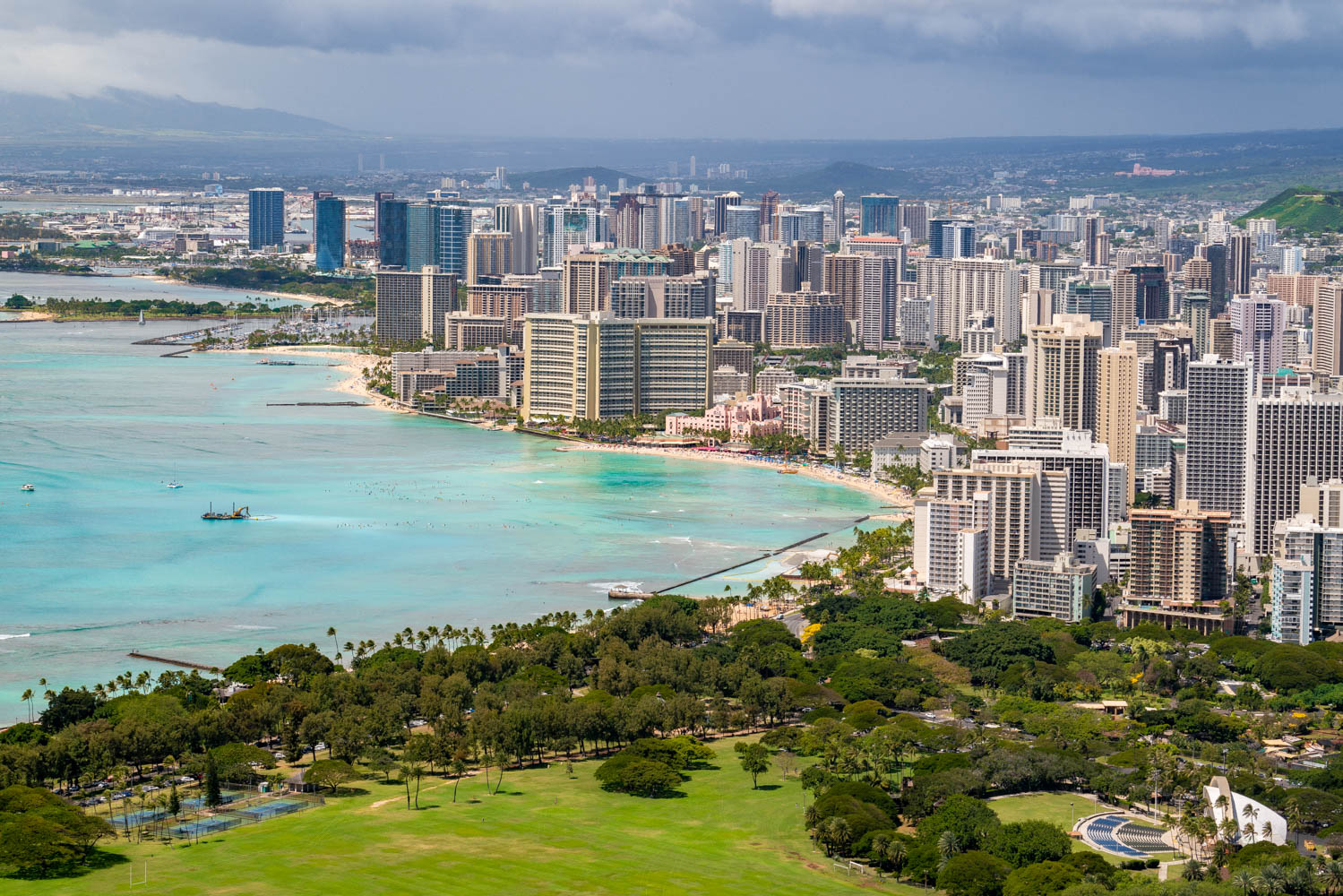
Living in Honolulu or on the more rural shores of Kauai means experiencing a climate that remains remarkably consistent year-round. Beyond the pleasant temperatures, the access to world-class natural beauty is a daily reality. Residents can hike the lush ridges of the Koolau Range in the morning and surf at Waikiki Beach by the afternoon. This proximity to nature is not just for recreation; it is the cornerstone of the local health and wellness culture.
A Slower Pace of Life
The concept of “island time” is not merely a trope; it is a way of living that prioritizes human interaction and mental well-being over strict adherence to deadlines. This environment encourages a work-life balance that is difficult to sustain in high-pressure hubs like New York City or Los Angeles. For families, this translates into an upbringing where children are exposed to a multicultural environment and a lifestyle that emphasizes outdoor physical activity over sedentary screen time.
Navigating the Financial Realities of Island Living
While the quality of life is high, the cost of living in Hawaii is consistently among the highest in the nation. Prospective residents must be prepared for a significant shift in their personal economic landscape.
The Cost of Imported Goods
Because the islands are isolated, the vast majority of consumer goods, groceries, and construction materials must be shipped from the mainland. This “shipping tax” is baked into the price of everything from a gallon of milk to a gallon of gas. Residents on islands like Maui or the Big Island often find that their dollar does not stretch as far as it would in Texas or Florida. Adapting to a local diet—relying more on locally grown produce and local seafood—is not just an environmental choice but an essential financial strategy.
Housing Market Challenges
Housing affordability is perhaps the most significant barrier to entry. The combination of limited developable land, high demand from international investors, and the logistics of island construction keeps real estate prices at a premium. Whether you are looking at condos in Kakaako or single-family homes in Hilo, finding a property that aligns with mainland budget expectations is rare. Many residents opt for smaller footprints or shared housing arrangements to manage the high monthly mortgage or rent costs.

Professional Opportunities and Career Mobility
A successful move to the islands often depends on the resident’s industry and ability to adapt to a smaller, more localized labor market.
Key Industries
The economy is heavily driven by tourism, the military, and government services. Positions within the hospitality sector at iconic locations like The Royal Hawaiian Hotel are plentiful, but they may not offer the same ceiling for career growth as roles in major corporate headquarters on the mainland. Technology and remote work have opened new doors, allowing professionals to maintain mainland-based roles while residing in Kailua. However, one must consider the time zone difference, which can result in early morning starts to accommodate meetings in Chicago or Washington D.C..
The “Island Fever” Phenomenon
One psychological factor often overlooked by those relocating is “island fever”—a sense of confinement that can set in after a few months or years. Being thousands of miles from the next major landmass means that travel is not a simple car ride away. Getting off the island requires air travel, which can become expensive and time-consuming. Building a life that feels expansive despite the geographic boundaries is a skill that successful long-term residents master by actively engaging with the local community, learning the history of the Polynesian Cultural Center, and participating in regional events.
Integrating Into the Community
Hawaii is a place with a profound history and a distinct cultural identity. Respecting the heritage of the Native Hawaiian people is a non-negotiable part of becoming a good neighbor.
Cultural Literacy and Respect
Living in Hawaii requires more than just paying rent; it requires an education in local customs. Understanding the importance of places like Pearl Harbor or the significance of the Iolani Palace provides context to the contemporary issues facing the islands. Integrating into the community often happens through school activities, community gardening projects, or volunteering at local conservation efforts in areas like Waimea Valley.
Infrastructure and Utilities
While the islands are technologically advanced, the infrastructure faces unique pressures. Power grids, managed by entities like Hawaiian Electric, are in a transition phase toward renewable energy, and water conservation is a daily way of life. Furthermore, traffic congestion in metropolitan areas such as Honolulu can be severe due to the limited number of highways and alternate routes, a reality that surprises those expecting a sleepy, rural lifestyle.

Is it Right for You?
Choosing to live in Hawaii is a trade-off. If your goal is to accumulate rapid material wealth or experience the convenience of high-speed urban transit, you may find the islands challenging. However, if your definition of a “good place to live” is centered on clean air, a deep connection to the natural world, a diverse and vibrant culture, and a community that values presence over productivity, then the challenges of island life become small prices to pay for a profound reward.
Before making the commitment, consider spending an extended period in a local residential neighborhood rather than a resort area. Experience the reality of grocery shopping in Hilo, commuting during rush hour, and attending a community festival. The beauty of the islands is enduring, but the strength of your residency will depend on your willingness to embrace the islands exactly as they are—not as a vacation destination, but as a home that demands your respect, your patience, and your authentic participation in its future.
LifeOutOfTheBox is a participant in the Amazon Services LLC Associates Program, an affiliate advertising program designed to provide a means for sites to earn advertising fees by advertising and linking to Amazon.com. Amazon, the Amazon logo, AmazonSupply, and the AmazonSupply logo are trademarks of Amazon.com, Inc. or its affiliates. As an Amazon Associate we earn affiliate commissions from qualifying purchases.