
The allure of the Pacific archipelago often conjures images of pristine white sands, verdant volcanic ridges, and the rhythmic sound of crashing surf. For decades, Hawaii has reigned as a premier bucket-list destination for travelers worldwide. Yet, as the tourism landscape evolves and the desire for more meaningful, sustainable travel grows, many prospective visitors find themselves asking a pivotal question: Is the trip truly worth the investment of time, money, and environmental footprint? The answer is not a simple yes or no, but rather a nuanced exploration of what this isolated chain of islands offers the modern wanderer.

The Diverse Landscapes of the Island Chain
To understand if the state is worth visiting, one must first recognize that Hawaii is not a monolith. Each island possesses a distinct personality, terrain, and atmospheric energy.
The Grandeur of the Big Island
The Island of Hawaii serves as a geological masterclass. As the largest island in the chain, it offers a stark contrast between blackened lava fields and snow-capped peaks. Visiting Hawaii Volcanoes National Park is a humbling experience; witnessing the raw power of creation and destruction firsthand provides a perspective on nature that few other places on Earth can match. From the lush rainforests of Hilo to the arid, resort-heavy stretches of the Kohala Coast, the Big Island feels like an entire continent condensed into one landmass.
Oahu and the Urban-Nature Hybrid
Often serving as the gateway for international arrivals, Oahu is the heartbeat of the archipelago. While Honolulu provides the cosmopolitan amenities of a major city, the island quickly transitions into rugged terrain. Whether it is the world-famous waves of the North Shore or the historic significance of Pearl Harbor, the island offers a balance for those who want accessibility alongside adventure.
The Natural Beauty of Kauai and Maui
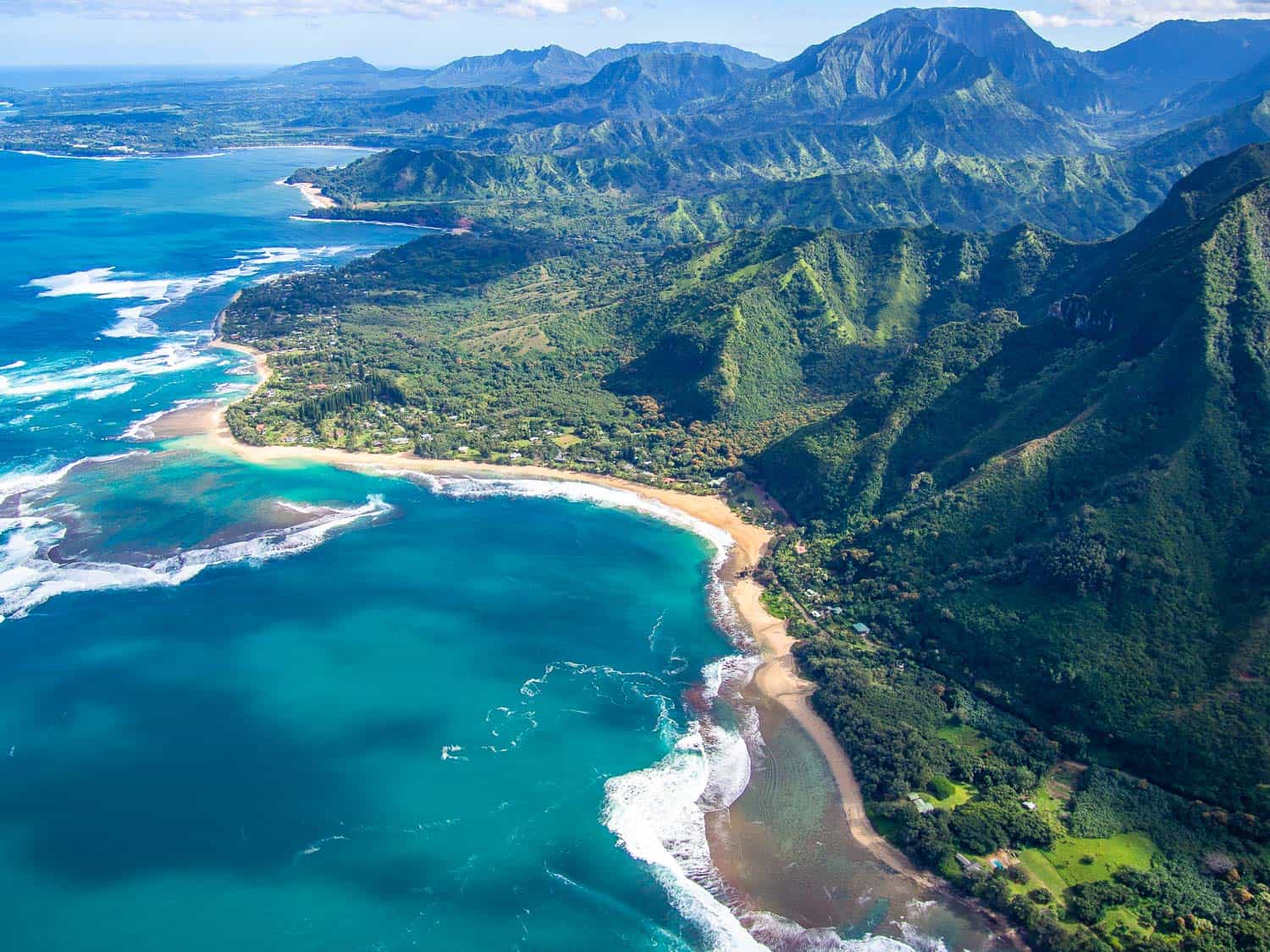
For those seeking tranquility and breathtaking scenery, Kauai and Maui represent the pinnacle of tropical landscapes. The Napali Coast on Kauai is frequently cited as one of the most beautiful places in the world, with its jagged emerald cliffs plunging into the Pacific Ocean. Maui, meanwhile, balances the accessible luxury of Wailea with the winding, scenic journey of the Road to Hana.
The Cultural Depth Beyond the Postcard
A frequent critique of visiting Hawaii is that the experience can often be reduced to a superficial resort bubble. However, those who look deeper find a rich, resilient culture that is deeply tied to the land, or aina.
Respecting the Local Heritage
The Hawaiian culture is rooted in a philosophy of stewardship. When visitors take the time to engage with Polynesian Cultural Center experiences or attend a traditional, authentic luau, they gain insight into a history that predates Western contact. It is about understanding the significance of the hula, the importance of the ocean, and the spirit of aloha—not merely as a greeting, but as a lifestyle of compassion and mutual respect.

Supporting Authentic Experiences
Is the trip worth it? It is unequivocally so when the visitor shifts their intent from consumption to participation. Supporting local artisans, dining at locally-owned farm-to-table restaurants, and learning about the preservation efforts at sites like Iolani Palace transforms the journey from a passive vacation into a transformative educational experience. By choosing to engage with the community respectfully, the tourist becomes a guest rather than an intruder.
Logistical Realities and Travel Planning
A significant factor in determining the “worth” of a trip is the logistical reality of traveling to one of the most isolated island chains in the world.
Cost and Accessibility
Hawaii is notoriously expensive. Between airfare, inter-island travel, vehicle rentals, and the high cost of imported goods, a trip to the islands requires careful budgeting. However, the value lies in the rarity of the ecosystem. You are not just paying for a room; you are paying for the privilege of accessing a remote ecological haven. To maximize the value, many travelers opt for a mix of experiences—balancing a high-end stay with self-catered adventures in state parks or local boutiques.
Timing and Seasonality
Choosing when to visit is critical. Avoiding peak seasons—such as the winter holidays or the mid-summer break—can lead to a more peaceful, affordable, and authentic experience. The “shoulder seasons” often provide the best weather and fewer crowds, allowing visitors to hike through Haleakala National Park or snorkel in the Molokini Crater without the pressure of mass tourism.
The Verdict on Sustainability and Conscious Travel
Perhaps the most important question to ask in the modern era is whether visiting contributes to the detriment of the islands. Hawaii has faced significant challenges regarding over-tourism, infrastructure strain, and environmental impact.
Being a Responsible Visitor
The value of the trip today is measured by the quality of the visitor. If one arrives with the intention to hike responsibly, stay on marked trails, refrain from touching marine life in places like Hanauma Bay, and leave a lighter footprint, the visit is a net positive. The islands survive on the economic contributions of tourism, but that tourism must be intentional.
Is it Worth It?
If you are looking for a place to simply sit by a pool, Hawaii may offer more than you need, and you might find the same experience closer to home. But if you are looking to be humbled by the sheer force of nature, to learn about a vibrant indigenous culture, and to experience landscapes that feel as though they belong on another planet, then the journey is well worth the effort.
Hawaii remains a sanctuary of natural beauty. The “worth” of the visit is ultimately defined by the traveler’s curiosity and commitment to treating the islands with the gravity and reverence they deserve. When you prioritize the preservation of the Pacific environment and seek out genuine connection with the local lifestyle, the archipelago offers rewards that endure long after your flight back to the mainland has landed. It is a place that asks for your awareness, and in return, it offers a profound sense of perspective that few destinations can replicate. Whether it is the quiet solitude of a morning on the North Shore or the awe-inspiring heights of a volcano, the islands continue to stand as a vital, irreplaceable point on the global map.
LifeOutOfTheBox is a participant in the Amazon Services LLC Associates Program, an affiliate advertising program designed to provide a means for sites to earn advertising fees by advertising and linking to Amazon.com. Amazon, the Amazon logo, AmazonSupply, and the AmazonSupply logo are trademarks of Amazon.com, Inc. or its affiliates. As an Amazon Associate we earn affiliate commissions from qualifying purchases.