
Planning a trip to the tropical archipelago of Hawaii often feels like preparing for a journey into a tranquil paradise. With its volcanic landscapes, crystal-clear waters, and rich Polynesian heritage, it remains one of the most sought-after destinations globally. However, for potential visitors, the question of safety is paramount. Whether you are concerned about natural phenomena, community sensitivities, or general travel advisories, understanding the current climate of the islands is essential for a stress-free getaway.
Understanding the Landscape of Natural Hazards
When travelers ask about safety in Hawaii, the conversation often shifts toward the islands’ unique geography. As a volcanic chain, the islands are inherently dynamic.

Volcanic Activity and Air Quality
The most prominent natural feature of Hawaii is its volcanic activity, primarily centered on the Big Island. When Kilauea or Mauna Loa show signs of increased activity, news headlines can sometimes be alarming. However, it is vital to distinguish between a localized geological event and a widespread threat to tourism. Most tourist hubs, including Kona or Hilo, are equipped with sophisticated monitoring systems provided by the Hawaiian Volcano Observatory. Visitors are rarely in direct danger, provided they respect restricted zones and park closures within Hawaii Volcanoes National Park. The main concern for travelers is typically localized “vog” (volcanic smog), which may affect individuals with respiratory conditions.
Weather and Ocean Safety
Beyond geology, the Pacific Ocean demands respect. Many visitors arrive expecting calm, pool-like waters, but the coastal conditions can change rapidly. Rip currents and high surf advisories are common, particularly on the North Shore of Oahu during the winter months. Safety in the water is the number one priority for local lifeguards and authorities. Always consult the National Weather Service forecasts before entering the water, and pay close attention to posted warning signs at popular beaches like Waikiki Beach or Hanalei Bay.
Cultural Respect and Community Relations
Traveling to the islands is not just a leisure activity; it is a visit to a sovereign cultural space. In recent years, there has been a significant shift toward “regenerative tourism,” which encourages visitors to consider their impact on local infrastructure and community well-being.
Navigating Sensitive Tourism
A common concern for travelers is whether it is “safe” or appropriate to visit certain areas following local events or community pushback against over-tourism. The residents of Maui and Kauai value their heritage and environment deeply. The best way to ensure a smooth and welcome experience is to practice “Malama Hawaii,” or giving back to the land. This involves staying on marked trails, avoiding sensitive historical sites, and supporting local businesses rather than large international chains where possible. When you treat the land and its people with reverence, the travel experience becomes significantly more rewarding and secure.

Infrastructure and Resource Management
Safety also pertains to the availability of resources. During peak seasons, the demand for water, electricity, and emergency services can strain local systems. By staying in reputable areas and being mindful of your carbon footprint, you contribute to a more stable environment for both locals and fellow travelers. Avoid “off-the-beaten-path” adventures that require trespassing on private land or entering restricted watershed areas. Respecting the privacy and safety of those living in communities near Lahaina or Waimea is a fundamental aspect of being a responsible guest.
Travel Logistics and Health Advisories
Modern travel requires a high level of preparedness regarding health and logistics. While the islands are part of the United States, their remote location means that medical infrastructure is more limited than on the mainland.
Medical Accessibility
In major urban centers like Honolulu, top-tier medical facilities are readily available. However, if you are planning an extended trip to more remote regions of Molokai or Lanai, it is wise to have a clear understanding of where the nearest urgent care or emergency room is located. Always ensure your health insurance covers out-of-state travel or carry a supplemental policy if you are an international visitor.
Emergency Preparedness
The islands are well-versed in emergency management, ranging from tsunami warnings to hurricane preparedness. Every visitor should familiarize themselves with the hotel’s emergency evacuation plan upon arrival. In the event of an emergency alert, local authorities utilize the Hawaii Emergency Management Agency alert system. Registering for text alerts or keeping an eye on local media while on the islands provides peace of mind and keeps you informed of any necessary precautions.
Best Practices for a Secure and Enjoyable Experience
Safety is often the result of informed planning. To ensure your time in Hawaii is as safe as it is spectacular, follow these practical guidelines.
- Stay Informed: Monitor official government websites for updates on weather, seismic activity, or public health guidelines.
- Respect Nature: Never feed wildlife, such as the Hawaiian monk seal or green sea turtles, as this is both dangerous for the animals and illegal. Keep your distance at landmarks like Hanauma Bay.
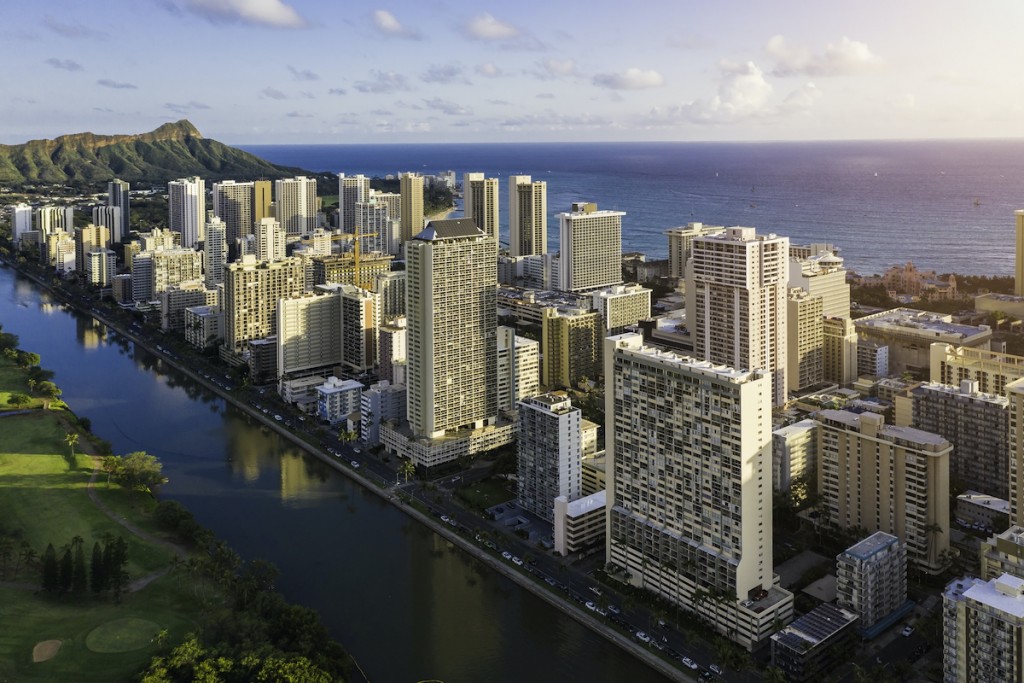
- Secure Your Belongings: While the islands have relatively low crime rates, opportunistic theft from rental cars at popular trailheads is a common occurrence. Do not leave valuables inside your vehicle when visiting remote beaches or hiking trails near Diamond Head.
- Support Local: Engaging with local tour operators and guides who are certified and licensed ensures you are getting accurate safety information while contributing to the local economy.
Ultimately, is it safe to travel to Hawaii right now? The answer is a resounding yes, provided you approach your trip with awareness, respect, and a bit of common sense. The islands offer some of the most breathtaking experiences in the world, from the rugged cliffs of the Na Pali Coast to the lush valleys of the Garden Isle. By prioritizing safety through preparation and embracing the spirit of aloha, you can enjoy a trip that is not only secure but transformative. Whether you are hiking the trails of Haleakala or relaxing on the golden sands of Poipu Beach, knowing that you have mitigated risks allows you to fully immerse yourself in the magic of the Pacific. Pack your bags with confidence, stay mindful of your surroundings, and get ready to experience the unique beauty that only this archipelago can provide.
LifeOutOfTheBox is a participant in the Amazon Services LLC Associates Program, an affiliate advertising program designed to provide a means for sites to earn advertising fees by advertising and linking to Amazon.com. Amazon, the Amazon logo, AmazonSupply, and the AmazonSupply logo are trademarks of Amazon.com, Inc. or its affiliates. As an Amazon Associate we earn affiliate commissions from qualifying purchases.