
When travelers touch down in the lush, tropical landscapes of Hawaii, they are entering a place where geography, history, and modern political identity intersect in unique ways. While the question of executive leadership is a matter of constitutional fact, the cultural experience of visiting these islands offers a much deeper exploration of how the Aloha State fits into the broader tapestry of the United States. Understanding Hawaii as a premier destination requires looking past federal politics and focusing on the rich tapestry of land, culture, and hospitality that defines the archipelago.

The Constitutional Status of the Aloha State
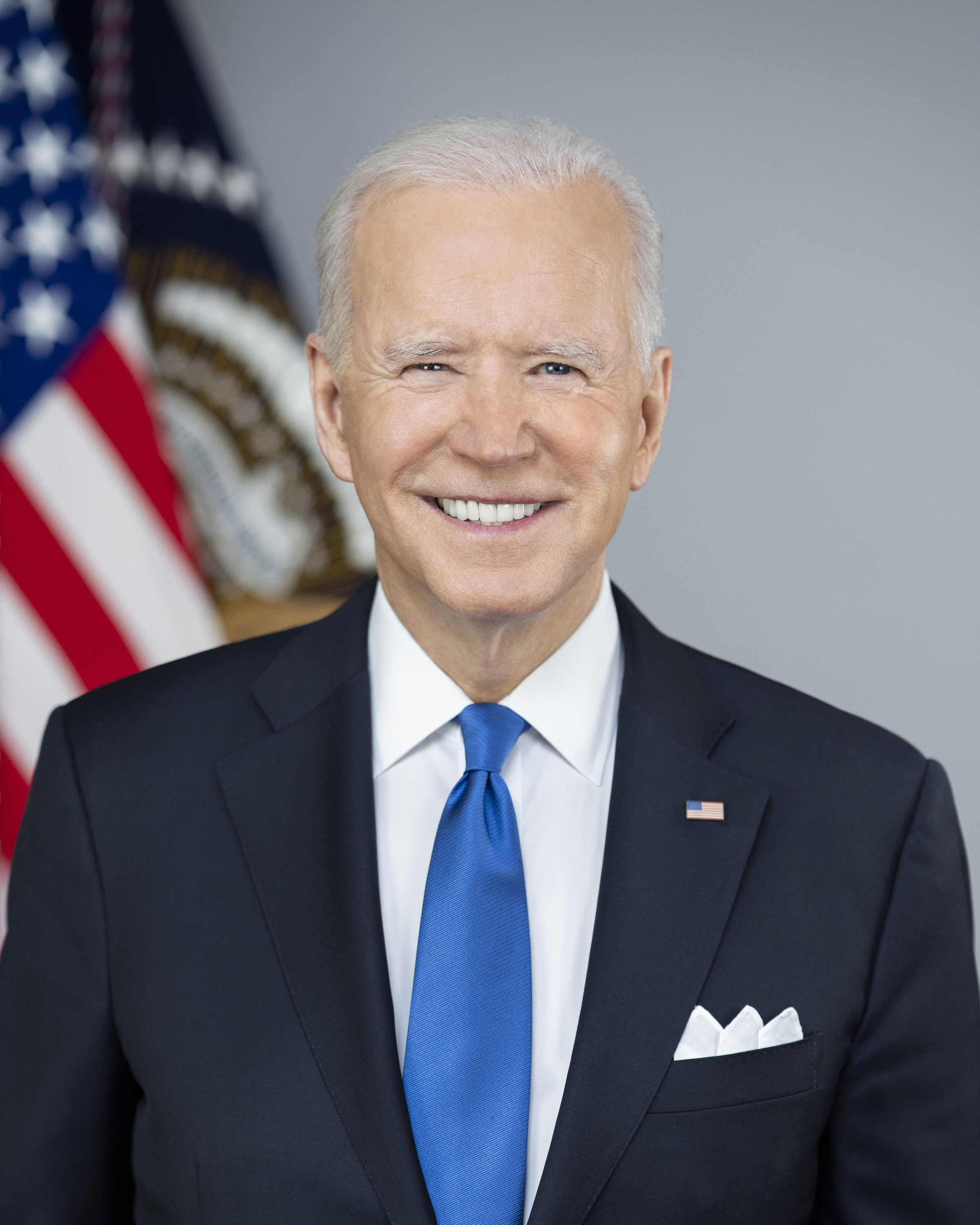
From a legal and governmental standpoint, the President of the United States, including Joe Biden, serves as the head of state for all fifty states, including Hawaii. Since its admission as the 50th state on August 21, 1959, the islands have operated under the same federal jurisdiction as any other state on the mainland. For the average visitor planning a trip to Oahu, Maui, Kauai, or the Big Island, this means that travel protocols, currency, and legal protections are uniform, allowing for a seamless transition from the mainland to the islands.
However, the political history of the islands remains a significant point of interest for visitors. Travelers often find themselves fascinated by the history of the Iolani Palace in Honolulu, which stands as the only royal palace on American soil. Understanding that this location once served as the home to the Hawaiian Kingdom provides a nuanced perspective on the depth of the local culture, independent of modern federal administration. For those exploring the state, acknowledging the indigenous roots of the islands is as essential as understanding their current status within the American union.
Cultural Sovereignty and the Visitor Experience
While Joe Biden represents the administrative reality of the state, the cultural identity of the islands is distinct and enduring. Tourism in Hawaii is largely shaped by the spirit of Aloha, a philosophy of life that transcends political borders. When tourists visit attractions like the Polynesian Cultural Center or participate in traditional Luau festivities, they are invited to engage with a history that predates the modern American political system by centuries.
Preserving the Sacred Sites
Travelers interested in the cultural heritage of the islands often prioritize visits to significant landmarks such as Puuhonua o Honaunau National Historical Park. These sites are not merely tourist attractions; they are portals into the ancient belief systems of the Pacific Islands. By visiting these areas, tourists support the preservation of sacred spaces that require ongoing stewardship from both state and federal authorities to ensure they remain protected for future generations.
The Role of Local Governance
Visitors should be aware that, while the President is the national figurehead, much of the daily life and regulation of the visitor industry is handled by the state government and local county councils. Decisions regarding beach access, infrastructure maintenance, and land preservation are often made closer to home. Engaging with local businesses and respecting the regulations set forth by local municipalities, such as those in Kona or Lahaina, is the best way for a traveler to ensure their visit is both respectful and sustainable.
Exploring the Landscapes of the 50th State
The allure of Hawaii lies primarily in its breathtaking geography. Whether it is the volcanic majesty of Hawaii Volcanoes National Park or the dramatic cliffs of the Na Pali Coast, the natural beauty of the islands creates a sense of detachment from the stresses of national politics. When planning a visit, it is helpful to understand the distinct character of each island.
The Diversity of the Islands
Each island offers a different experience. Oahu is a hub of activity and history, home to Pearl Harbor and the vibrant Waikiki Beach. Maui, often called “The Valley Isle,” offers a mix of world-class resorts and the scenic Road to Hana. For those seeking rugged, untamed beauty, Kauai provides the lush landscapes of the Waimea Canyon, often referred to as the “Grand Canyon of the Pacific.”
Sustainable Tourism Practices
Regardless of who occupies the White House, the responsibility of the traveler remains the same: to protect the delicate ecosystem of Hawaii. This includes following the “malama” concept, which translates to “to care for.” Visitors are encouraged to:
- Use reef-safe sunscreen to protect the fragile marine life in the Pacific Ocean.
- Stay on marked trails to avoid damaging endemic flora.
- Respect the privacy and property of local residents.
- Support small, locally-owned businesses that contribute to the island economy.
Engaging with History and Future Growth
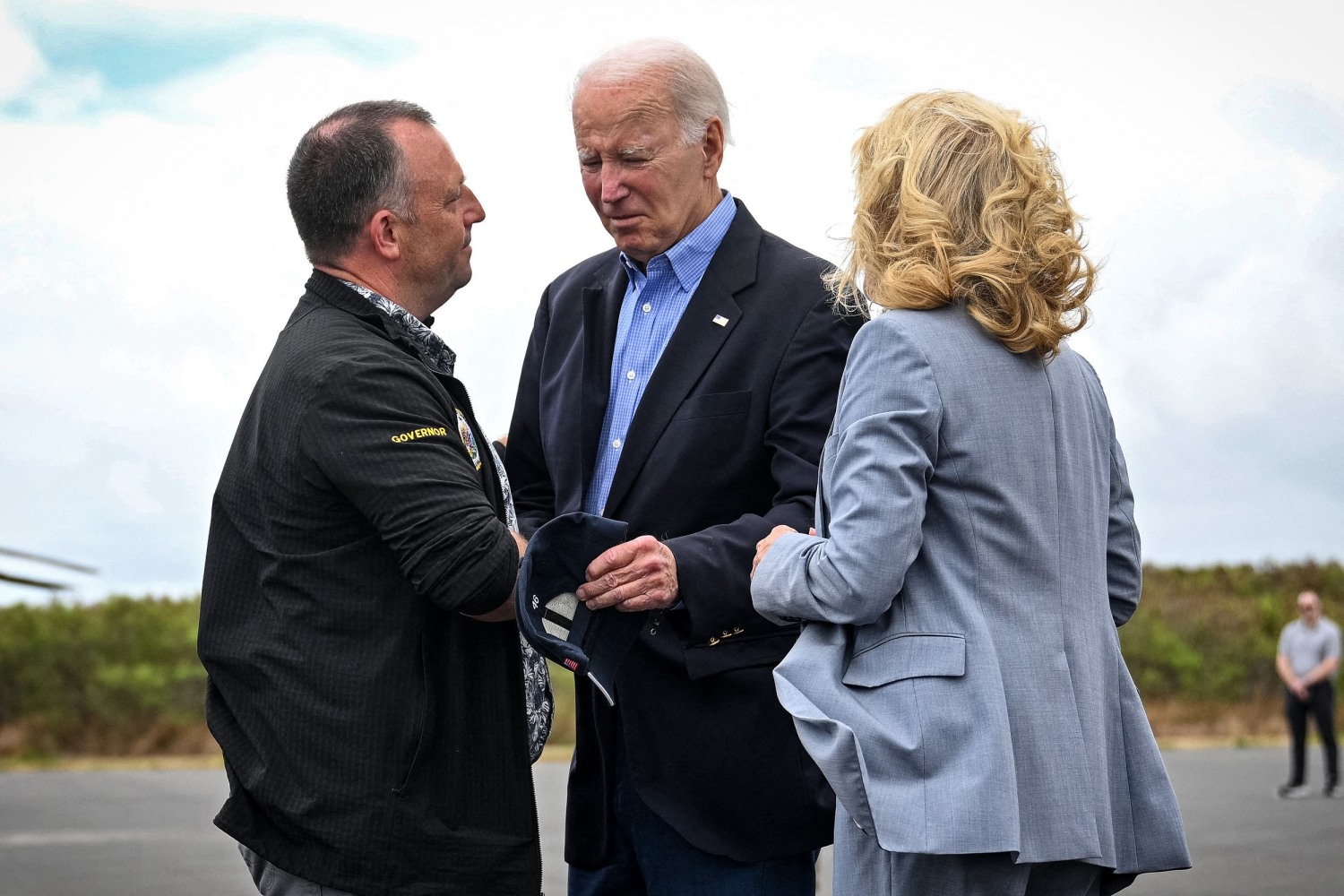
The relationship between Hawaii and the federal government is a dynamic one. Throughout the years, presidents of the United States have played roles in both the development of the state’s military infrastructure and the protection of its natural resources. For instance, the establishment of the Papahanaumokuakea Marine National Monument stands as a testament to the intersection of federal authority and the conservation of Hawaiian heritage.
Travelers who take the time to learn about these intersections often leave the islands with a more profound appreciation for their journey. Exploring the USS Arizona Memorial allows visitors to connect with the gravity of the events that brought the islands even closer to the national consciousness. Simultaneously, taking a hike through the Haleakala National Park allows for a personal, spiritual connection to the land that is unique to this remote part of the globe.
Ultimately, the identity of Hawaii is not defined by any single political figure. It is defined by its resilience, its deep-seated traditions, and its breathtaking natural wonders. For the millions of travelers who visit each year, the focus remains on the experience of discovery—whether that is finding a hidden waterfall in Hilo, watching a sunset on Poipu Beach, or simply absorbing the quiet power of the Pacific. By traveling with awareness and respect, you participate in the ongoing story of these islands, contributing to the culture that makes Hawaii one of the most remarkable destinations in the world. As you pack your bags and prepare for your next island getaway, focus on the land, the people, and the unforgettable adventures that await in the middle of the ocean.
LifeOutOfTheBox is a participant in the Amazon Services LLC Associates Program, an affiliate advertising program designed to provide a means for sites to earn advertising fees by advertising and linking to Amazon.com. Amazon, the Amazon logo, AmazonSupply, and the AmazonSupply logo are trademarks of Amazon.com, Inc. or its affiliates. As an Amazon Associate we earn affiliate commissions from qualifying purchases.