
As travelers from around the globe flock to the breathtaking shores of Hawaii, many visitors arrive with questions regarding local regulations, particularly concerning cannabis. For those planning a dream vacation to the islands, understanding the legal landscape is essential to ensuring a stress-free experience. While the cultural perception of cannabis in the Pacific is often relaxed, the legal reality remains a complex patchwork of medical mandates and strict recreational prohibitions.
The Current Legal Landscape: Medical vs. Recreational
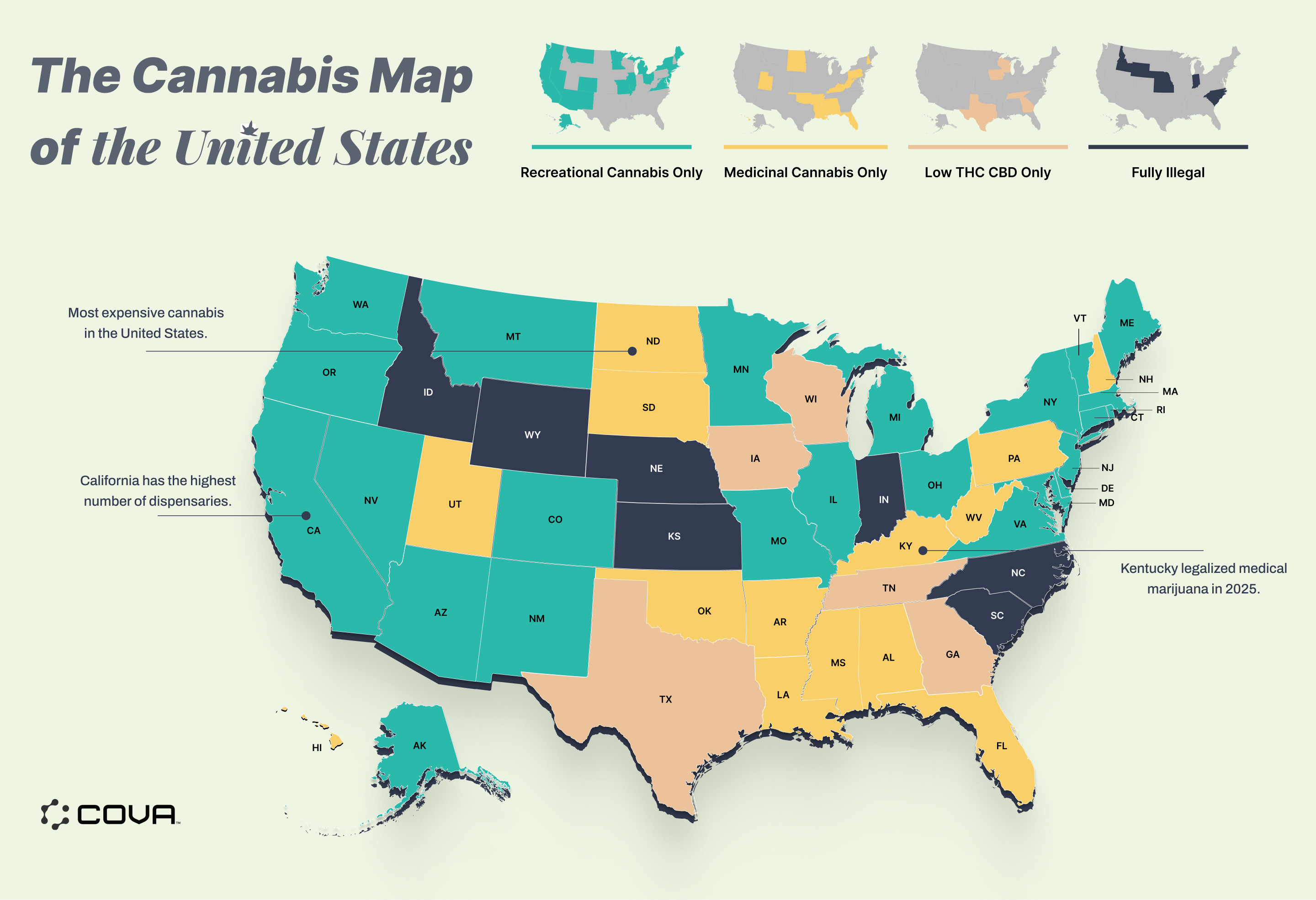
As of 2025, Hawaii maintains a strict distinction between medical cannabis use and recreational consumption. Understanding these boundaries is the first step for any tourist or resident navigating the islands of Oahu, Maui, Kauai, and the Big Island.
The Medical Cannabis Program
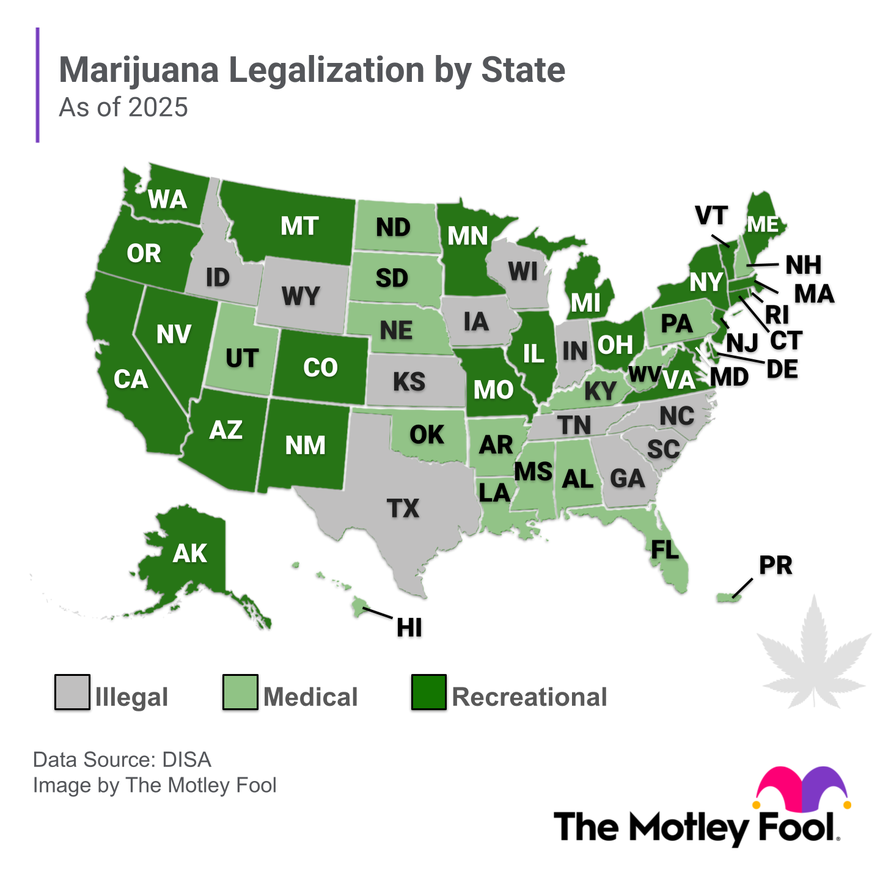
Hawaii legalized medical cannabis in 2000, establishing the 328 Medical Cannabis Registry. Under the current statutes, patients with qualifying medical conditions can obtain a registration card from the Hawaii Department of Health. This program allows patients to purchase cannabis from licensed dispensaries located across the islands.
For visitors, it is critical to note that Hawaii does not currently have a comprehensive reciprocity program for medical cannabis users from other states. While legislation has been proposed in previous years to allow visiting patients to register, the current infrastructure does not permit out-of-state medical cards to be used for legal purchases at local dispensaries.
The Recreational Status
Despite changing tides in mainland United States, recreational cannabis remains illegal in Hawaii. Legislative attempts to legalize, tax, and regulate recreational use have faced significant debate within the Hawaii State Legislature. Proponents argue that legalization could provide a boost to the local economy and tourism sector, while opponents cite concerns regarding public health and safety. As of 2025, possession of recreational cannabis can still lead to fines or criminal charges, depending on the quantity and circumstances of the encounter.
Travel Implications and Law Enforcement
For the millions of travelers who visit Honolulu or the resorts of Wailea each year, the primary concern is avoiding legal trouble while enjoying the beauty of the Pacific Ocean.
Public Consumption and Decriminalization
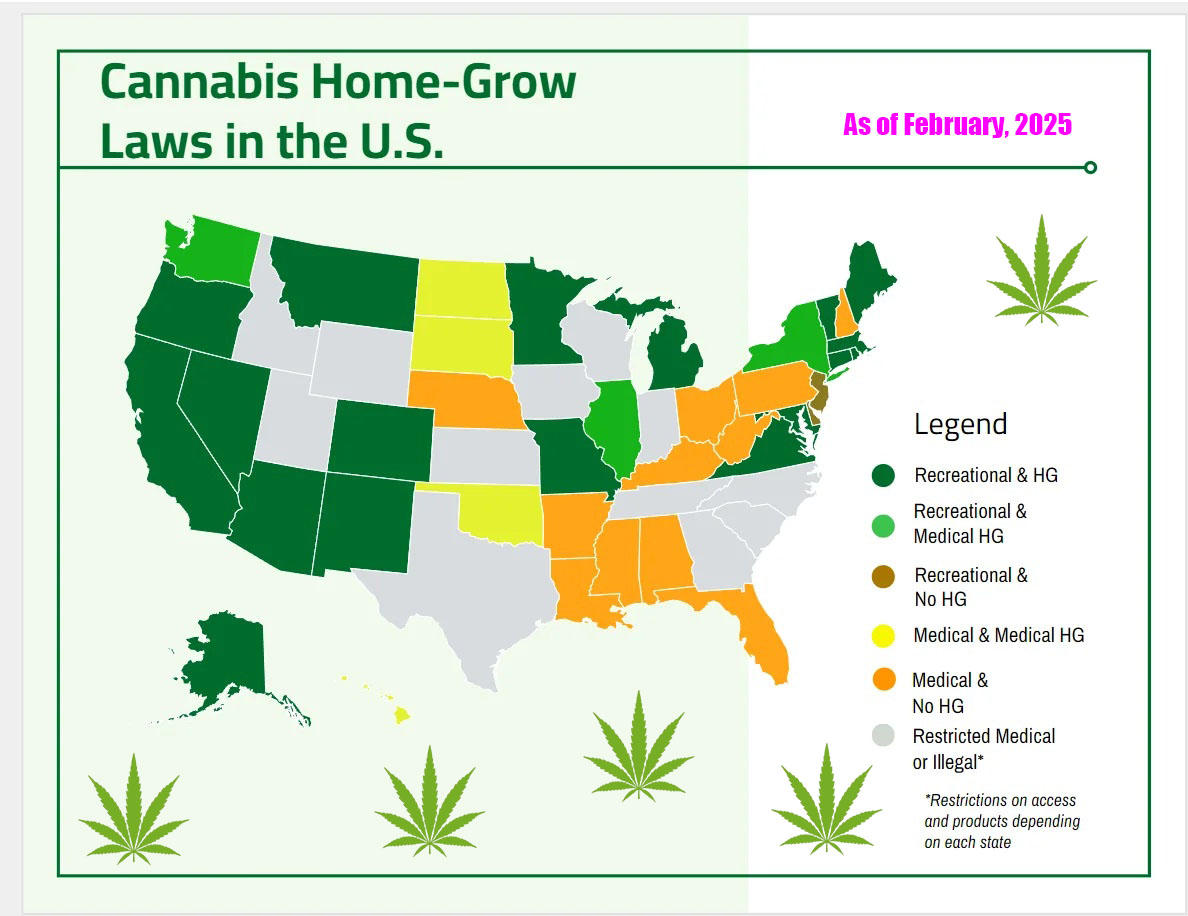
While full legalization has not been achieved, Hawaii has moved toward decriminalization for small amounts of cannabis. Possession of three grams or less of cannabis is considered a violation, punishable by a monetary fine rather than jail time. However, this decriminalization does not grant “legal” status to the substance. Furthermore, public consumption—whether on the sandy beaches of Waikiki, in public parks, or near tourist hubs like the Polynesian Cultural Center—is strictly prohibited.
Law enforcement presence is visible in high-traffic tourist areas. Visitors should be aware that police officers on the islands enforce local statutes with the intent of maintaining the family-friendly atmosphere that makes Kaanapali Beach and other landmarks so popular. Engaging in behavior that violates state law can lead to immediate complications that may interrupt a vacation.
Travel Between Islands
Travelers often ask if they can transport cannabis between the islands. Because Hawaii is a state and air travel between islands—such as flying from Lihue to Hilo—often involves Transportation Security Administration checkpoints, moving cannabis products is strictly prohibited. Bringing cannabis onto any flight, even for intra-island travel, constitutes a federal offense. TSA agents are tasked with flagging prohibited items, and any discovery of cannabis products can lead to local police intervention.
Staying Informed While Enjoying the Islands
When planning a trip to Kailua-Kona or the lush landscapes of Hanalei Bay, the priority should always be safety and respect for local laws. The unique culture and natural environment of Hawaii are the primary draws for visitors, and those who prioritize local customs will find the most enriching experiences.
Respecting Local Culture and Public Spaces
Hawaii prides itself on a culture of respect, or malama. This extends to the environment and the community. Even if local sentiment appears lenient in certain social circles, visitors should never assume that public use is acceptable. Many hotels, resorts, and vacation rentals have strict no-smoking policies that apply to all substances, including cannabis. Violating these policies can lead to significant fees or immediate eviction from properties such as The Royal Hawaiian or other high-end accommodations.
Where to Find Accurate Information
For those traveling to Hawaii, the best approach is to check official government resources before departure. The Hawaii Tourism Authority provides comprehensive guides for visitors regarding local etiquette and laws. If you have a legitimate medical need, consult with your primary healthcare provider regarding your rights and limitations when traveling outside your home jurisdiction.
It is also wise to be aware of the “spirit of the law.” While Hawaii is famous for its laid-back lifestyle, it is also a state with a robust legal system. Authorities are committed to preserving the safety of residents and visitors alike. By staying informed about the current legislative status of cannabis, travelers can avoid unnecessary legal entanglements and focus on what truly matters: experiencing the unparalleled beauty of the Hawaiian Islands.
Future Legislative Outlook
As of early 2025, the conversation surrounding cannabis legalization continues to evolve. Keep an eye on local news outlets covering the Hawaii State Capitol for any updates on new bills or changes to current statutes. However, until such time as a comprehensive recreational law is passed and implemented, visitors should operate under the assumption that recreational cannabis is not permitted.
Ultimately, the best way to enjoy a trip to this Pacific paradise is to embrace the natural wonders, from the volcanic activity at Hawaii Volcanoes National Park to the historical significance of Pearl Harbor. By adhering to existing regulations and prioritizing lawful activities, visitors ensure that the legacy of their travel remains one of positive memories, breathtaking views, and the warm hospitality that defines the Aloha State. Always prioritize compliance with the law, respect for the local community, and a mindful approach to your vacation itinerary to guarantee a seamless stay in one of the world’s most sought-after destinations.
LifeOutOfTheBox is a participant in the Amazon Services LLC Associates Program, an affiliate advertising program designed to provide a means for sites to earn advertising fees by advertising and linking to Amazon.com. Amazon, the Amazon logo, AmazonSupply, and the AmazonSupply logo are trademarks of Amazon.com, Inc. or its affiliates. As an Amazon Associate we earn affiliate commissions from qualifying purchases.