
Planning a trip to the Big Island of Hawaii requires a bit more logistical strategy than visiting the smaller islands in the archipelago. Because the island is vast—roughly the size of Connecticut—and home to two distinct international airports located on opposite sides of the island, your choice of arrival point can significantly dictate the flow of your itinerary, your drive times, and your overall vacation experience.
Understanding Your Arrival Options: KOA vs. ITO
The Big Island is served by two primary airports: Kona International Airport, officially known as Ellison Onizuka Kona International Airport, located on the west side, and Hilo International Airport, located on the east side.
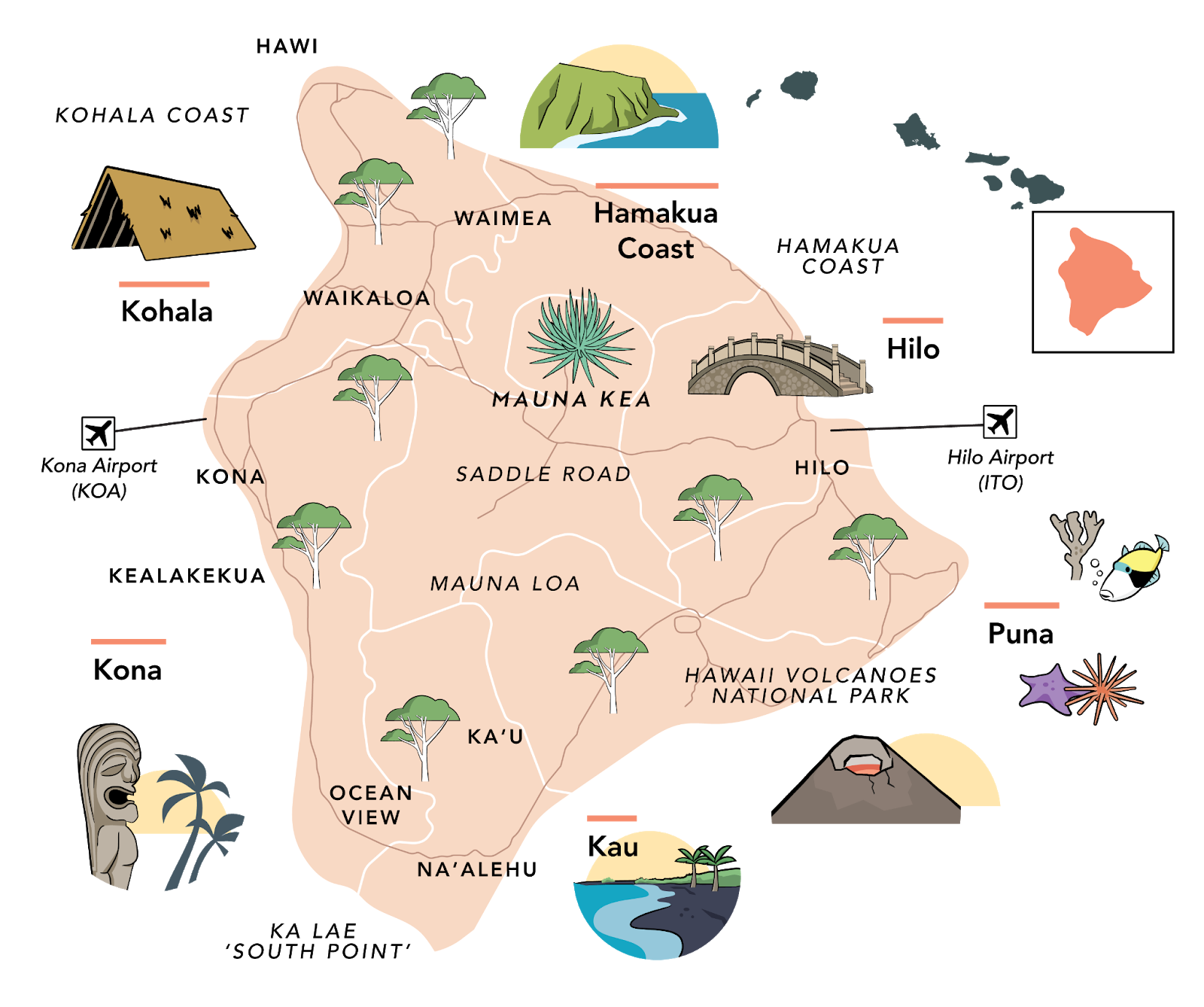
Choosing between them is not merely about flight availability; it is about geography. The island is bisected by two massive volcanic peaks, Mauna Kea and Mauna Loa, which make cross-island travel slow and weather-dependent.
The West Side: Kona International Airport (KOA)
For most travelers, Kona International Airport is the preferred gateway. It serves as the primary hub for tourism on the island. The airport itself is unique, featuring an open-air terminal design that embraces the tropical climate.
The primary advantage of landing in Kona is proximity to the island’s most iconic beaches and luxury resort corridors. If your itinerary focuses on snorkeling at Kahaluu Beach Park, relaxing at Hapuna Beach, or exploring the historic Puuhonua o Honaunau National Historical Park, this is where you want to be. The west side is arid, sunny, and home to the majority of the island’s world-class golf courses and oceanfront villas.
The East Side: Hilo International Airport (ITO)
Hilo International Airport offers a completely different experience. Hilo is the gateway to the lush, windward side of the island. It is the closest airport to Hawaii Volcanoes National Park, making it an ideal entry point for visitors whose primary goal is to witness active volcanic activity, explore tropical rainforests, or visit the towering Akaka Falls State Park.
While Hilo receives more rainfall—creating the dense, verdant jungles the region is famous for—it offers a much more authentic, “old Hawaii” atmosphere compared to the more commercialized resort areas on the west.
Strategic Planning Based on Your Itinerary
When deciding where to land, consider the “open-jaw” flight strategy—flying into one airport and departing from the other. This can save you hours of driving and allow you to traverse the island without backtracking.

Focusing on Sun and Relaxation
If your trip is centered on rest and relaxation, fly into Kona. The Kohala Coast to the north of the airport is where you will find the most famous resorts, such as those near Waikoloa Village. This area is consistently sunny, making it perfect for sunbathers and water sports enthusiasts. By basing yourself here, you are only a short drive away from the beautiful white sands of Anaehoomalu Bay.
Focusing on Adventure and Nature
If you are an adventure seeker, Hilo is your basecamp. From here, you can easily access the botanical gardens, the Rainbow Falls, and the dramatic cliffs of the Hamakua Coast. Staying in Hilo also allows you to start your day early for a visit to the volcanic craters without battling the long drive from the west side.
Logistics: Navigating the Island After Landing
Regardless of which airport you choose, renting a car is essentially mandatory. Public transportation on the Big Island is limited, and the major attractions are often separated by long stretches of highway.
Driving Considerations
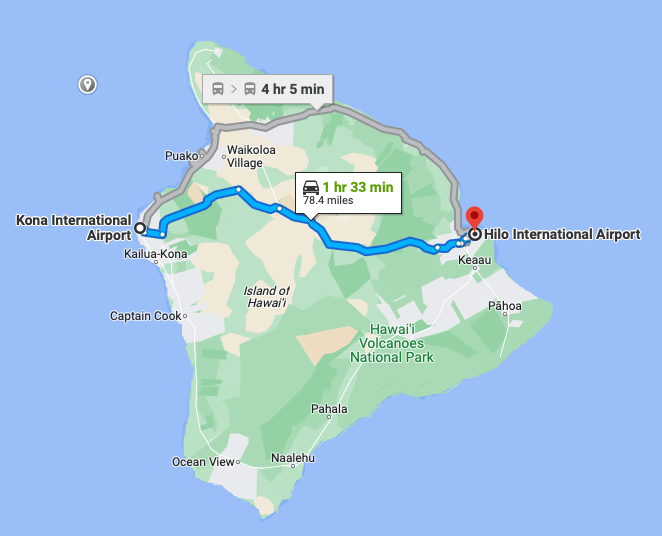
If you choose to land in Kona but want to visit the Hawaii Volcanoes National Park, prepare for a drive of approximately two to three hours. The route takes you across the island via Saddle Road, a high-altitude highway that offers stunning, otherworldly views of the mountain ranges. While the road is well-paved and modern, the rapid change in elevation requires caution, and weather conditions at the summit area can change instantly.
The Weather Factor
Understanding the climate zones of Hawaii is crucial. The Big Island contains nearly every climate zone on Earth. The west side (Kona) is essentially a desert climate, while the east side (Hilo) is a rainforest. If you are flying into Hilo, pack rain gear and moisture-wicking clothing. If you are flying into Kona, prepare for high solar index and ensure you have high-SPF sunscreen.
Expert Tips for a Seamless Arrival
To make the most of your arrival, consider the time of day your flight lands.
- Morning Arrivals: Landing in the morning allows you to acclimate to the island time without the pressure of finding your accommodation in the dark. If you land in Kona early, you have the entire day to drive along the coast and enjoy the sunset at Kailua-Kona.
- Avoiding Traffic: While the Big Island does not suffer from the same gridlock as Oahu, local traffic around Hilo and Kona can become congested during peak commute hours. Try to avoid picking up your rental vehicle between 7:00 AM and 9:00 AM, or 3:30 PM and 5:30 PM.
- Island Hopping: If you are visiting multiple islands, many travelers opt to finish their trip on the Big Island because of the sheer scale of the landscape. It is the perfect place to unwind after more hectic urban experiences in Honolulu.
Making the Final Decision
Ultimately, there is no “wrong” airport. Whether you touch down in the sun-drenched tarmac of Kona or the tropical, breeze-swept runways of Hilo, you are arriving in one of the most geographically diverse locations on the planet.
If you are struggling to decide, prioritize your top three “must-see” activities. If they are mostly on the west side, choose Kona. If they are focused on the craters and the tropical coast, choose Hilo. By aligning your arrival airport with your primary objectives, you ensure that your time in Hawaii is spent exploring the breathtaking scenery rather than sitting behind the wheel of a rental car on a long, cross-island transit.
LifeOutOfTheBox is a participant in the Amazon Services LLC Associates Program, an affiliate advertising program designed to provide a means for sites to earn advertising fees by advertising and linking to Amazon.com. Amazon, the Amazon logo, AmazonSupply, and the AmazonSupply logo are trademarks of Amazon.com, Inc. or its affiliates. As an Amazon Associate we earn affiliate commissions from qualifying purchases.