
When travelers plan a trip to Hawaii, their minds often drift to visions of golden sands, crashing waves, and the vibrant culture of the Pacific Ocean. However, the true magic of the archipelago lies beneath the canopy and beneath the waves. As one of the most isolated island chains in the world, the biological diversity found across Oahu, Maui, Kauai, and the Big Island is nothing short of extraordinary. Understanding the local fauna is an essential part of the travel experience, transforming a simple vacation into an educational journey through unique ecosystems.
Marine Life: The Jewels of the Pacific
The waters surrounding the Hawaiian Islands act as a massive sanctuary for some of the ocean’s most iconic creatures. Because these islands are surrounded by vast, deep waters, the marine life here has evolved in distinct isolation, creating a haven for snorkelers and divers alike.
Sea Turtles and Monk Seals
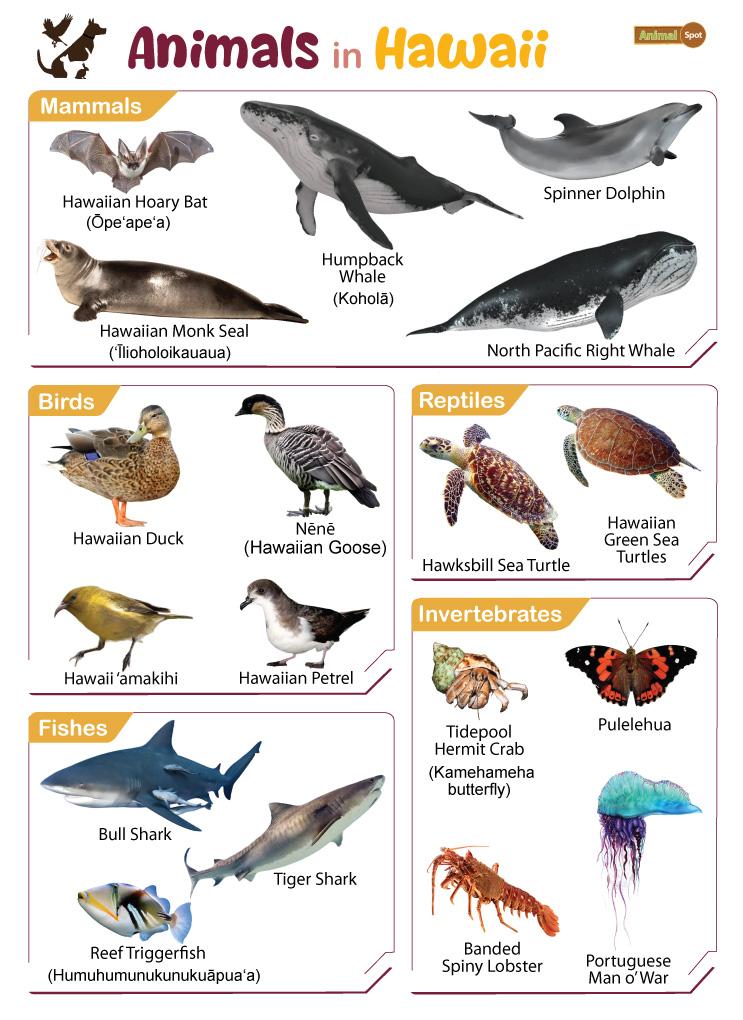
The most beloved resident of the Hawaiian coastline is the Honu, or the Hawaiian Green Sea Turtle. These gentle giants are often spotted grazing on algae in shallow bays or resting on the sunny beaches of Laniakea Beach. Visitors must remember that these creatures are federally protected; observing them from a respectful distance is a core tenet of responsible tourism in Polynesia.
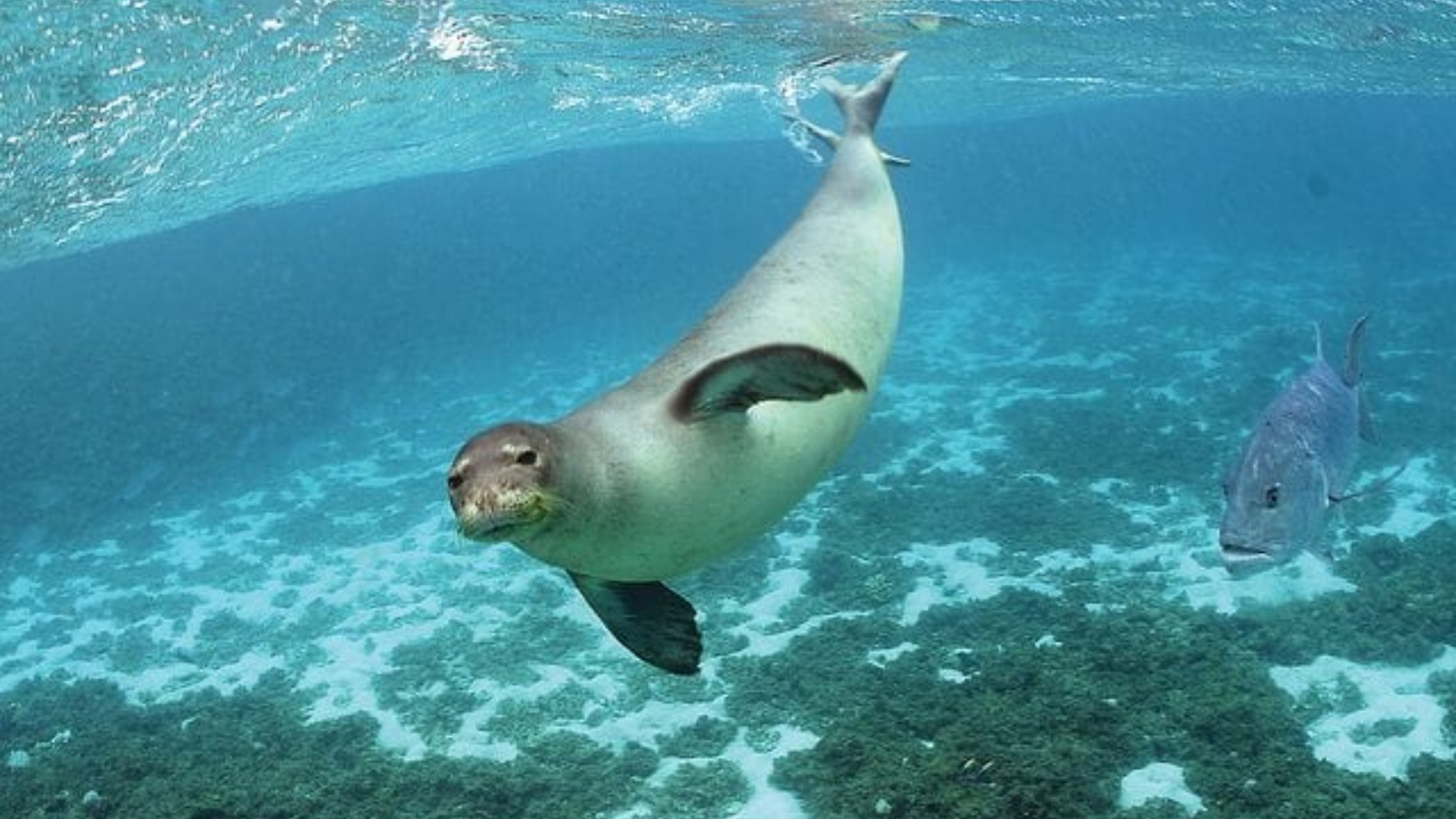
In the secluded coves of Molokai or the rocky shores of Poipu, lucky travelers might catch a glimpse of the Hawaiian Monk Seal. As one of the most endangered marine mammals on Earth, spotting one is a rare privilege. These seals are essentially the “living fossils” of the sea, having remained largely unchanged for millions of years.
Humpback Whales and Tropical Reef Dwellers
During the winter months, the North Pacific becomes a nursery for Humpback Whales. These majestic mammals migrate from Alaska to the warm, shallow channels of Maui County to mate and give birth. Boat tours departing from Lahaina offer front-row seats to their breaching displays, providing a spectacular look at marine behavior.
Beneath the surface, the coral reefs are teeming with color. The state fish, the Humuhumunukunukuapuaa, darts through the lava rock crevices with its distinctive snout and vibrant patterns. Snorkeling spots like Hanauma Bay on Oahu allow visitors to see these reef inhabitants in their natural, protected habitat.
Avian Wonders: The Feathered Residents
Hawaii is a paradise for birdwatchers, specifically because many species found here exist nowhere else on the planet. The evolution of birds in Hawaii is a masterclass in adaptation, where many species lost their flight capabilities due to the initial lack of natural land predators.
The Nene Goose
The Nene Goose, or Hawaiian Goose, is the official state bird and a symbol of successful conservation. Once pushed to the brink of extinction, this ground-dwelling bird can now be found navigating the volcanic slopes of Haleakala National Park. Unlike mainland geese, the Nene has evolved reduced webbing on its feet, perfect for traversing the rough, jagged terrain of hardened lava flows.
Honeycreepers and Tropical Songbirds
Deep within the misty forests of Kokee State Park, one might find the elusive Hawaiian Honeycreeper. These birds are prized for their incredibly varied, curved beaks, which evolved to sip nectar from specific native flowers. While they are difficult to spot, the sweet, melodic songs that echo through the Waimea Canyon provide a serene soundtrack for hikers exploring the island’s interior.
Land Animals and Introduced Species
When discussing the fauna of the United States’ only island state, it is important to distinguish between endemic species—those that evolved there—and introduced species, which arrived via human migration.
The Absence of Snakes
One of the most comforting facts for travelers visiting Hawaii is the near-total absence of land snakes. Due to the state’s strict biosecurity laws, snakes are prohibited. This allows the local ecosystem to function without the pressures of predatory reptilian invasives that plague many other tropical regions.
Wild Pigs and Goats
In the mountainous regions of Hawaii Island, visitors may encounter Feral Pigs and Feral Goats. Originally introduced by early Polynesian voyagers or later explorers, these animals have established large populations in the wild. While they are often viewed as pests by conservationists, they remain a significant part of the landscape’s history. Observing them from a distance while hiking trails like those near Volcanoes National Park is common for those venturing off the beaten path.
The Small Indian Mongoose
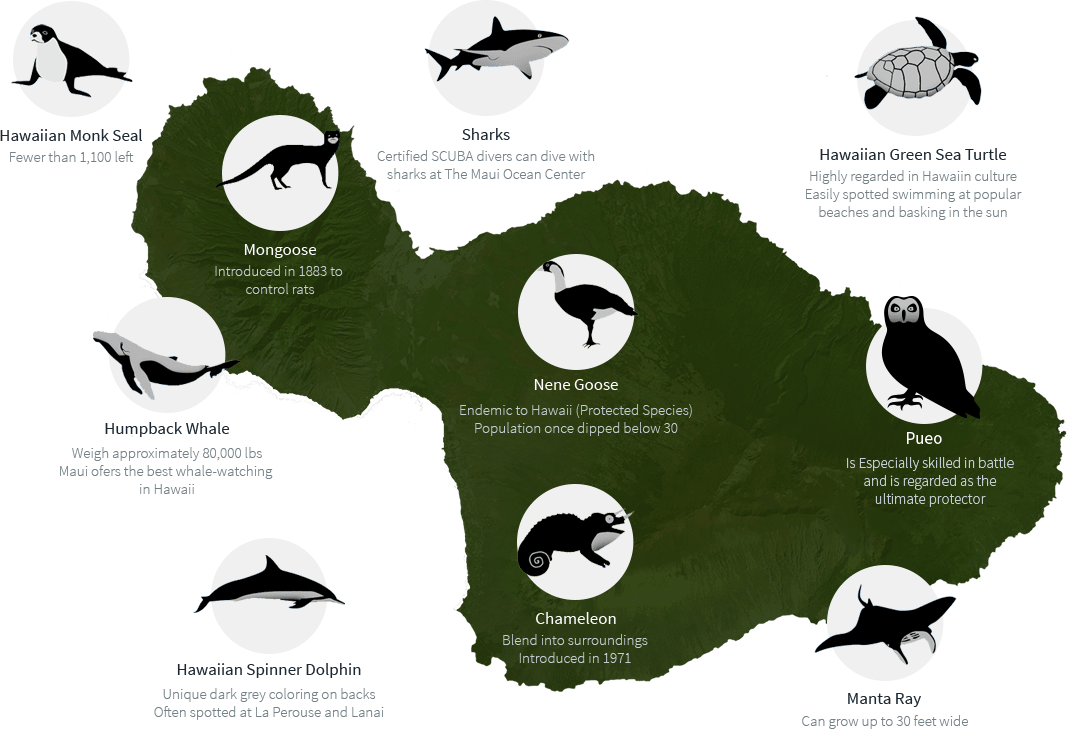
A frequent sight along the roadsides of Oahu is the Small Indian Mongoose. Introduced in the late 19th century to control rat populations in sugarcane fields, they have since become a permanent, if controversial, fixture of the island’s terrestrial wildlife. Seeing them scurry across a trail is a reminder of the complex and sometimes tumultuous history of human interaction with the archipelago’s delicate ecology.
Ethical Wildlife Tourism Guidelines
Exploring the wildlife of Hawaii is a privilege that comes with significant responsibility. Because the islands host many endangered or threatened species, the Department of Land and Natural Resources enforces strict regulations to ensure the safety of both the animals and the public.
- Maintain Distance: Whether you are in the Pacific Ocean snorkeling or hiking in Kauai, always maintain a distance of at least 50 yards from larger marine mammals and 10 yards from sea turtles.
- Respect Protected Areas: Many habitats, such as those within Papahanaumokuakea Marine National Monument, are strictly regulated. Always stay on marked trails to avoid trampling sensitive endemic plant life that supports the local food chain.
- Leave No Trace: Hawaii’s ecosystem is fragile. Plastics and chemical sunscreens can drastically damage coral reefs and disrupt the hormonal balance of marine life. Choosing reef-safe sunscreen and packing out all trash is the baseline for any responsible visitor.
- Education over Interaction: Avoid feeding any animals. Feeding wild animals causes them to lose their natural fear of humans, which often leads to dangerous encounters or dependency that results in the animal’s eventual sickness or removal.
By observing these guidelines, travelers can enjoy the unique biological tapestry of Hawaii without causing harm. Whether it is the flash of a Humuhumunukunukuapuaa under a reef, the sound of a Nene Goose on a volcanic slope, or the breach of a Humpback Whale in the distance, these experiences contribute to a deeper, more meaningful connection to the islands. The beauty of these creatures is not just in their appearance, but in the story they tell of survival, adaptation, and the enduring spirit of the Pacific Ocean. As visitors navigate the diverse terrain, from the lush rainforests of Maui to the arid coasts of the Big Island, they are invited to be silent witnesses to a world that remains one of the most precious treasures in the United States.
LifeOutOfTheBox is a participant in the Amazon Services LLC Associates Program, an affiliate advertising program designed to provide a means for sites to earn advertising fees by advertising and linking to Amazon.com. Amazon, the Amazon logo, AmazonSupply, and the AmazonSupply logo are trademarks of Amazon.com, Inc. or its affiliates. As an Amazon Associate we earn affiliate commissions from qualifying purchases.