
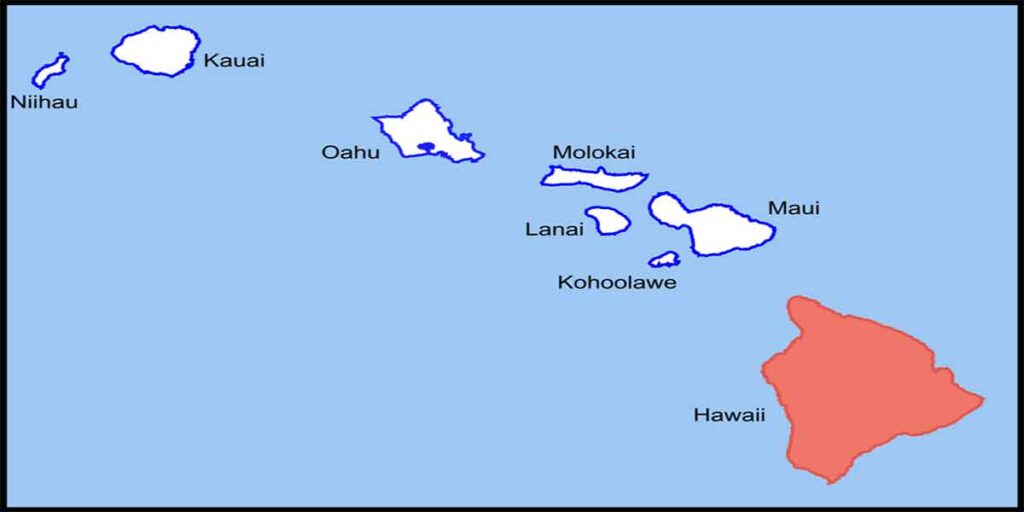
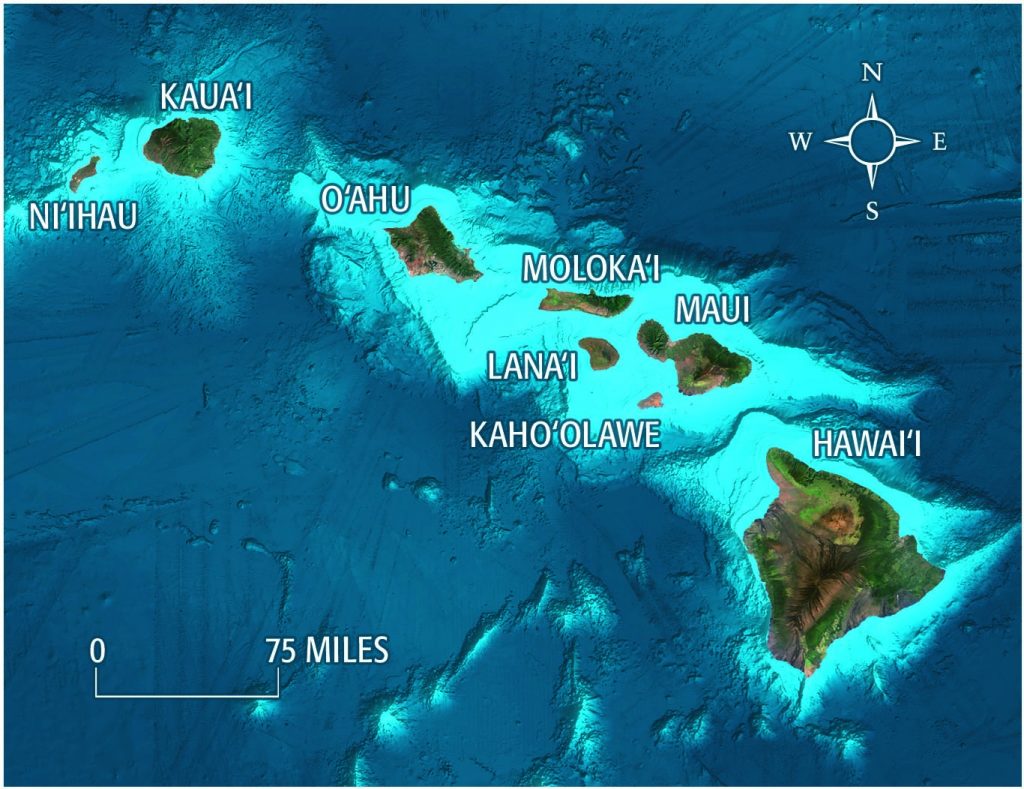
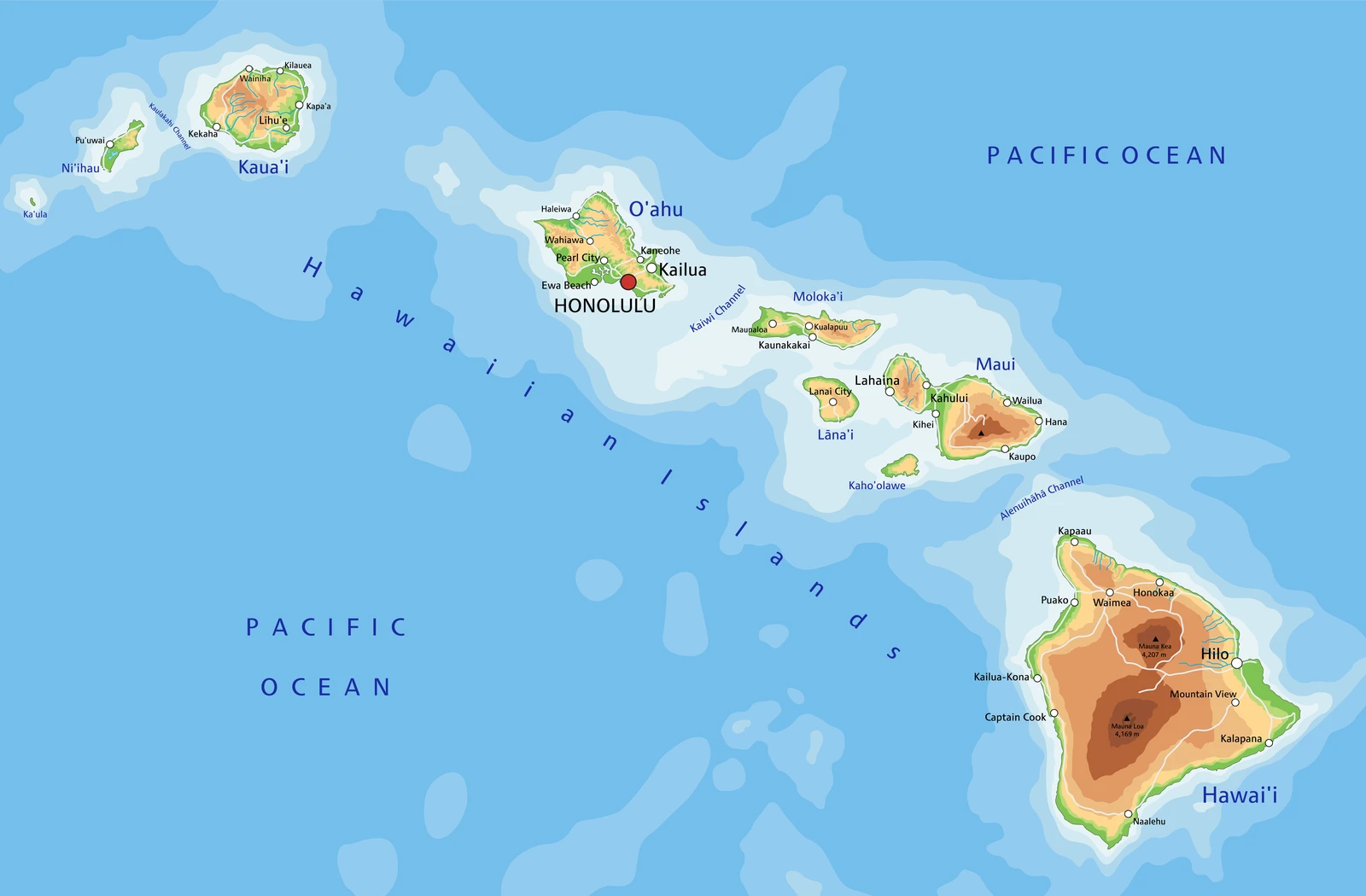
The Hawaiian Islands form a captivating archipelago in the heart of the Pacific Ocean. While many visitors envision a singular tropical paradise, the state is actually composed of eight main islands, each offering a distinct personality, landscape, and cultural rhythm. Understanding these destinations is the first step toward planning an unforgettable journey to this remote corner of the United States.
The Four Major Islands for Travelers
Most tourism in Hawaii is concentrated on the four primary islands that offer the most infrastructure, diverse activities, and accessibility for international and domestic guests.
Oahu: The Gathering Place
Often referred to as “The Gathering Place,” Oahu serves as the vibrant hub of the state. It is home to Honolulu, the bustling state capital, and Waikiki, one of the most famous beach districts in the world. Visitors flock here to pay their respects at Pearl Harbor, explore the historic Iolani Palace, or witness the legendary big waves at the North Shore. The island perfectly blends urban convenience with stunning natural landmarks like Diamond Head, a volcanic tuff cone offering panoramic views of the coastline.
Maui: The Valley Isle
Maui strikes a balance between upscale luxury and adventurous exploration. Known for its world-class resorts in Wailea and Kapalua, the island is perhaps best recognized for the Haleakala National Park. Watching the sunrise from the summit of the Haleakala volcano is a quintessential island experience. For those seeking scenic drives, the Road to Hana offers a winding journey through rainforests, past hidden waterfalls, and along rugged cliffside coastlines.
Kauai: The Garden Isle
For travelers seeking raw, untamed beauty, Kauai stands in a league of its own. It is the oldest of the main islands, resulting in deep, dramatic canyons and lush, emerald-covered cliffs. The Na Pali Coast is widely considered one of the most beautiful natural landmarks on the planet, accessible primarily by boat, helicopter, or strenuous hiking trails. Meanwhile, Waimea Canyon, often called the “Grand Canyon of the Pacific,” showcases the island’s geologic splendor with its striking red rock formations and deep valleys.
The Island of Hawaii: The Big Island
Simply known as the Big Island, this massive landmass is home to Hawaii Volcanoes National Park, where visitors can witness the ongoing creation of land as molten lava flows into the sea. The island is incredibly diverse, featuring climate zones that range from snowy peaks at Mauna Kea to the lush, tropical waterfalls of Akaka Falls and the black sand beaches of Punaluu. It is a place of profound history, serving as the birthplace of King Kamehameha I, the monarch who unified the islands.
The Significant Secondary Islands
While the four major islands receive the bulk of tourism, the remaining islands offer a glimpse into the more traditional and secluded side of the archipelago.
Molokai: The Friendly Isle
Molokai remains largely untouched by commercial tourism, maintaining a lifestyle that prioritizes cultural preservation and deep respect for the land, or aina. It is home to the world’s highest sea cliffs and the historic settlement of Kalaupapa, a remote area with a poignant history. Visitors here are generally looking for a slower pace of life, focusing on quiet reflection and intimate connections with nature.
Lanai: The Private Escape
Once largely dedicated to pineapple plantations, Lanai has transformed into a destination for luxury and seclusion. With fewer than 4,000 residents, the island offers a serene environment for those looking to escape the crowds. Key attractions include the Garden of the Gods, a rock-strewn landscape that feels otherworldly, and Hulopoe Bay, a marine preserve perfect for snorkeling and observing spinner dolphins.
The Restricted and Forbidden Islands
The final two islands in the chain possess unique statuses that differentiate them from the rest of the state.
Niihau: The Forbidden Isle
Niihau holds a fascinating place in history. Owned privately by the Robinson family for over a century, the island is restricted to the public to protect the native Hawaiian language and traditional way of life. While one cannot simply travel to Niihau as a tourist, limited, high-end boat tours occasionally offer excursions to the offshore waters for diving and snorkeling, providing a rare glimpse of this elusive destination.
Kahoolawe: The Target Isle
Kahoolawe has a difficult and significant history. Used as a training ground for the United States Navy during the 20th century, the island is currently undergoing massive restoration efforts to rehabilitate its environment and preserve its sacred cultural sites. It is uninhabited and closed to the general public, existing today as a symbol of cultural reclamation and the resilience of the Native Hawaiian people.
Navigating the Archipelago
When deciding which island to visit, travelers should consider what they value most in their vacation experience.
- For First-Timers: Oahu provides the most comprehensive introduction to the culture, history, and convenience of the region.
- For Nature Lovers: Kauai and the Big Island offer the most dramatic landscapes and opportunities for outdoor adventure.
- For Couples and Luxury Travelers: Maui and Lanai provide world-class resorts and romantic settings perfect for relaxation.
- For Cultural Seekers: Molokai offers the most authentic experience, focusing on traditional customs and a slower, more intentional way of life.
Regardless of the island chosen, the Hawaiian Islands remain a destination defined by the spirit of aloha—a concept that encompasses love, peace, and compassion. Whether you are exploring the bustling streets of Honolulu or hiking the silent, misty trails of Kauai, the archipelago offers an unparalleled connection to the natural world.
The diversity of these islands is their greatest strength. Within a few hours of flight time, one can transition from a high-energy surfing competition on the North Shore to the quiet, introspective serenity of a beach in Molokai. As you plan your itinerary, remember that each island is a unique chapter in the vast story of the Pacific. By respecting the land, engaging with the local culture, and seeking out the unique character of each destination, any visitor is sure to find a personal connection to this beautiful and enduring place. From the high-altitude stargazing at Mauna Kea to the vibrant nightlife of Waikiki, the names of these islands represent far more than points on a map; they are the foundations of an experience that remains etched in the memory of every traveler who sets foot on their shores.
LifeOutOfTheBox is a participant in the Amazon Services LLC Associates Program, an affiliate advertising program designed to provide a means for sites to earn advertising fees by advertising and linking to Amazon.com. Amazon, the Amazon logo, AmazonSupply, and the AmazonSupply logo are trademarks of Amazon.com, Inc. or its affiliates. As an Amazon Associate we earn affiliate commissions from qualifying purchases.