
Many visitors planning a trip to the Pacific Ocean archipelago often ask, “What are the seasons in Hawaii?” Unlike the mainland United States, which experiences the traditional four-season cycle of spring, summer, autumn, and winter, Hawaii operates on a tropical climate dictated by two primary periods: Kau (summer) and Hoʻoilo (winter). Understanding these shifts is essential for travelers hoping to make the most of their visit to these stunning volcanic islands.
Kau: The Warmth of the Summer Months
The summer season, known locally as Kau, generally extends from May through October. During this period, the islands experience their warmest temperatures and driest conditions. Average daytime temperatures typically range from 80°F to 88°F (27°C to 31°C), providing ideal weather for exploring the diverse terrains of Oahu, Maui, Kauai, and the Big Island.

Trade Winds and Comfort
The defining characteristic of Kau is the consistent presence of trade winds. These gentle, cooling breezes blow from the northeast, effectively tempering the humidity and ensuring that even the warmest afternoons remain comfortable for outdoor exploration. Whether you are trekking through the lush trails of Haleakala National Park or lounging on the pristine sands of Waikiki Beach, the trade winds provide a natural air conditioning effect that defines the Hawaiian summer experience.
Ideal Conditions for Water Activities
Because Kau brings the calmest ocean conditions of the year, it is the premier season for snorkeling, diving, and swimming. During these months, the northern shores of islands like Kauai become accessible for boat tours and underwater exploration, as the high winter surf subsides. Visitors flock to the crystal-clear waters of Hanauma Bay to witness the vibrant marine life, including the iconic Hawaiian green sea turtle.
Hoʻoilo: The Rainy Season and Winter Wonders
Beginning in November and stretching through April, Hoʻoilo is marked by increased rainfall and slightly cooler temperatures. While the term “winter” might suggest snow or freezing weather, in Hawaii, it simply means that temperatures hover between 70°F and 80°F (21°C to 27°C). It is important to note that rain in Hawaii is often localized; while it may be pouring in the windward (northeastern) mountains, the leeward (southwestern) beaches often remain sunny and dry.
The Spectacle of Winter Surf
One of the most famous aspects of the Hoʻoilo season is the dramatic transformation of the ocean. As storm systems develop in the northern Pacific, they send massive swells toward the Hawaiian islands. This makes winter the ultimate season for surf culture. Professionals and enthusiasts gather on the North Shore of Oahu to witness the legendary waves at Banzai Pipeline and Waimea Bay. Watching these world-class surfers navigate the towering peaks is a quintessential Hawaii experience that can only be witnessed during these months.
Migratory Giants: Humpback Whale Season
Winter also signals the arrival of the humpback whales. These majestic creatures migrate from the frigid waters of Alaska to the warm, protected channels surrounding Maui to mate and give birth. From December through April, whale watching becomes a primary attraction. Sightings are common from the coastline, though organized boat tours offer an intimate perspective of these giants breaching and splashing in the deep blue waters. It is a time of year when the islands feel particularly alive and connected to the rhythms of the natural world.
Microclimates: Why Elevation Matters
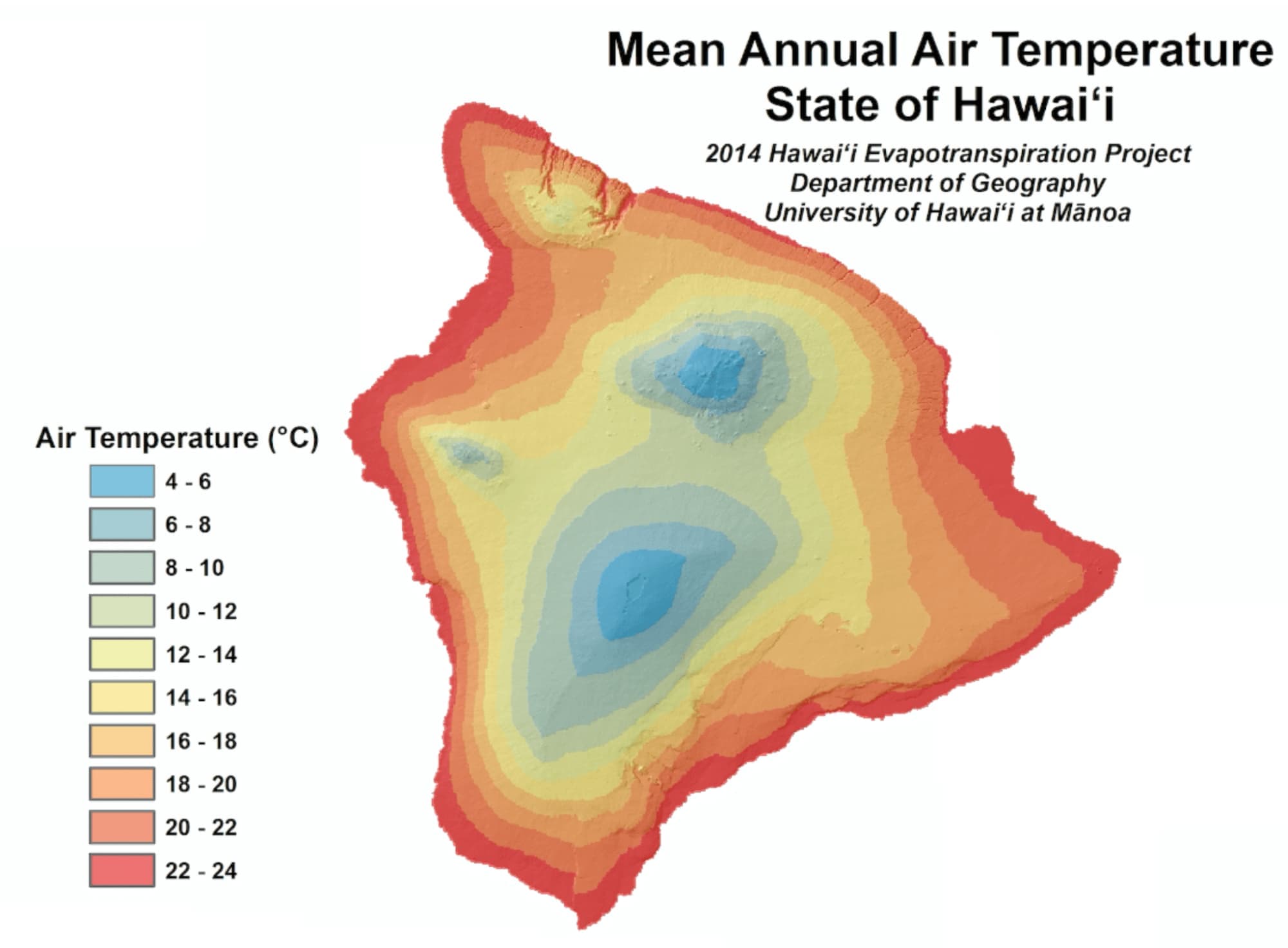
Beyond the general seasonal shifts of Kau and Hoʻoilo, Hawaii features an incredible array of microclimates influenced heavily by elevation. A traveler can start their day on the sun-drenched shores of Kona and finish their afternoon in the alpine temperatures near the summit of Mauna Kea.
The Influence of Topography
The mountainous volcanic terrain of the islands creates drastic weather differences within very short distances. For example, the Hilo side of the Big Island is significantly wetter due to its position on the windward slope, which captures moisture from the trade winds. Conversely, traveling just a few miles over the saddle to Waimea can reveal rolling green hills that feel more like the United Kingdom than a tropical island.
Packing for Diverse Conditions
Because of these varied microclimates, visitors should always pack with versatility in mind. Even if you plan on spending most of your time at beach destinations like Poipu or Lahaina, bringing a light rain shell and a fleece jacket is wise if you intend to visit higher-elevation parks like Hawaii Volcanoes National Park. The temperature at the rim of Kilauea can drop significantly at night, reminding travelers that even in the tropics, the mountains follow their own seasonal logic.

Choosing the Best Time for Your Adventure
Ultimately, there is no “bad” time to visit Hawaii. The choice between Kau and Hoʻoilo depends entirely on what kind of experience you are seeking.
- Choose Summer (Kau) If: You prioritize consistent sunshine, calm swimming waters, and clear skies for hiking deep into the valleys of Napali Coast. This is the best time for families and those looking for classic beach relaxation.
- Choose Winter (Hoʻoilo) If: You are interested in the dramatic power of the ocean, whale watching, or vibrant surf competitions. The slightly cooler air is also highly refreshing for those who dislike extreme humidity, and the lush, rain-fed landscapes of the islands are often at their most vibrant during these months.
Regardless of the calendar, Hawaii remains one of the most consistent and welcoming destinations on the planet. By recognizing the subtle rhythms of the two primary seasons, travelers can better prepare for their journey, ensuring their expectations align with the natural beauty and dynamic climate of the Pacific paradise. Whether you find yourself under the golden sun of a summer afternoon or watching the winter spray fly at a world-famous surf break, the islands offer a seasonal experience that is uniquely Hawaiian.
LifeOutOfTheBox is a participant in the Amazon Services LLC Associates Program, an affiliate advertising program designed to provide a means for sites to earn advertising fees by advertising and linking to Amazon.com. Amazon, the Amazon logo, AmazonSupply, and the AmazonSupply logo are trademarks of Amazon.com, Inc. or its affiliates. As an Amazon Associate we earn affiliate commissions from qualifying purchases.