
When travelers look at a map of the vast, cerulean expanse of the Pacific Ocean, Hawaii appears as a solitary archipelago, a chain of volcanic peaks rising from the depths. Because it is the most isolated population center on Earth, the concept of “closeness” takes on a different meaning than it might in Europe or Asia. If you are standing on the white sands of Waikiki Beach and wondering which international border is the nearest, the answer requires looking beyond immediate horizons.
The Geographical Reality of Isolation
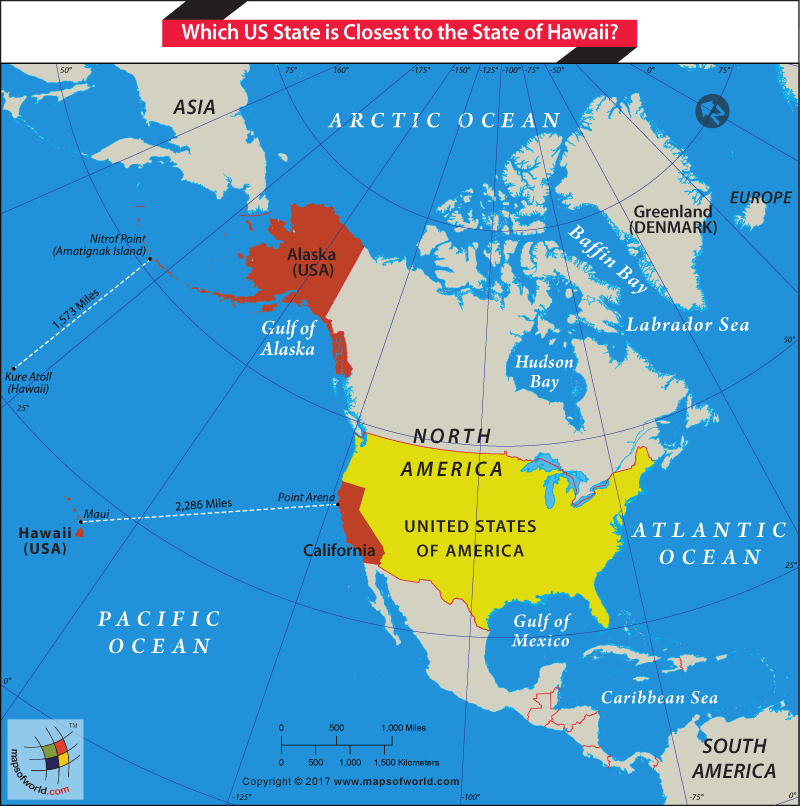
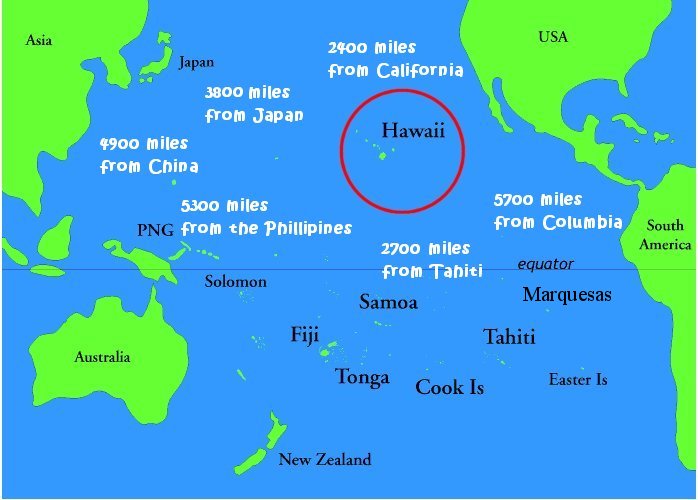
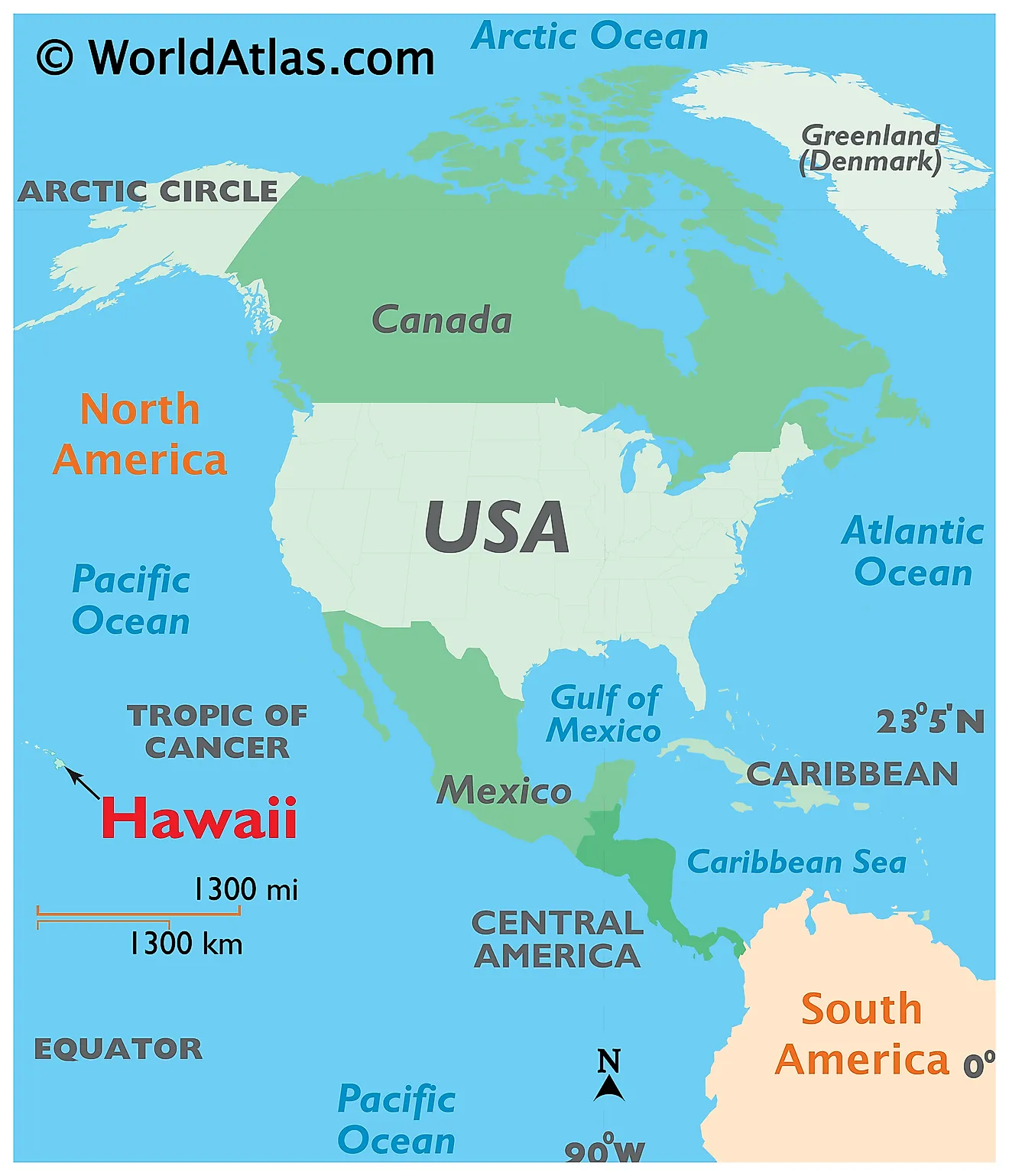
The primary characteristic of Hawaii is its profound distance from any continental landmass. As the 50th state of the United States, it is politically and economically tethered to North America, yet it sits approximately 2,400 miles from the California coast. When determining the “closest” country, one must look toward the vast distances of the Polynesian Triangle.
Distance to Kiribati and the Marshall Islands
If we strictly define “country” by international sovereignty, the nations of Kiribati and the Marshall Islands are among the closest neighbors in terms of maritime proximity. However, even these island nations are thousands of miles away from the main hub of Honolulu. The Pacific is so expansive that “close” in this context usually refers to a journey that still involves significant air travel time.
The Myth of Proximity in the Pacific
Many visitors often assume that Japan or Australia might be the nearest neighbors due to the strong cultural and tourism ties Hawaii shares with these nations. While Tokyo is a major gateway for Hawaiian tourism, it is roughly 4,000 miles to the west. Similarly, the flight path to Sydney spans nearly 5,000 miles. Therefore, while Hawaii feels like a melting pot of cultures, it remains geographically lonely.
Understanding Hawaii’s Maritime Neighborhood
While Hawaii is part of the United States, its cultural and historical “neighborhood” is defined by the Pacific Islands. To understand what lies “near” the islands, one must look toward the regional groupings of Micronesia, Melanesia, and Polynesia.
The Polynesian Connection
The ancestral voyagers who first settled Hawaii arrived by way of Tahiti and the Marquesas Islands. Culturally, these are the true neighbors of the archipelago. Though they are sovereign nations or territories under France, they represent the historical proximity that defined the settlement of the islands. If you are seeking a sense of “closeness” based on shared heritage and tradition, French Polynesia is the spiritual neighbor to the Hawaiian Islands.
Maritime Borders and Economic Zones
From a legal and maritime perspective, Hawaii shares an Exclusive Economic Zone (EEZ) with the United States that stretches deep into the Pacific. Because there are no immediate bordering countries, the concept of a “neighbor” is essentially non-existent in the traditional land-border sense. The nearest landmass that could be considered a “country” in a logistical sense is essentially just the United States mainland, separated by over 2,000 miles of deep ocean.
Travel Implications of Geographical Isolation
The extreme isolation of Hawaii is precisely what makes it a premier global destination. Because there is no “jumping over” to another country for a day trip—as one might do between Spain and France—every trip to these islands is a dedicated journey.
Why “Distance” Defines the Experience
- The Arrival Process: Travelers arriving at Daniel K. Inouye International Airport realize they have traveled to the middle of nowhere. This adds to the exclusivity and the feeling of escaping the modern, fast-paced world.
- The “Island Fever” Phenomenon: Due to the lack of nearby countries, residents of Oahu or Maui often talk about “island fever,” a psychological effect born from knowing that there is no accessible land within a short distance.
- Logistics and Imports: Because Hawaii is so far from any country (other than its own political master), almost everything—from food to fuel—must be shipped over massive distances. This creates a unique economy focused on sustainability and local agriculture.
Planning a Trip Around Isolation
If you are planning a visit, it is vital to understand that you are visiting a remote outpost. Whether you are staying at a luxury resort like the Four Seasons Resort Maui or exploring the rugged beauty of Kauai, you are witnessing a landscape that was forged by fire in the center of the world’s largest ocean.
Cultural Proximity vs. Physical Proximity
While Hawaii lacks a bordering country, its cultural reach is global. The spirit of the islands has been exported to every corner of the world, making the islands feel “close” to millions of people who have never even set foot on the black sands of the Big Island.
The Influence of Trans-Pacific Travel
The modern connectivity of the 21st century has bridged the gap. High-frequency flights from Los Angeles, Seattle, and Vancouver ensure that, despite the miles, the distance is bridged in a matter of hours. This technical “closeness” has replaced the physical reality of isolation.
The Role of International Gateways
Today, the “closest” country to Hawaii in a functional sense is whatever country offers the most direct flights. As infrastructure at Kahului Airport and Kona International Airport continues to expand, Hawaii is becoming a central hub for Pacific travel, effectively moving closer to the world through the lens of tourism and aviation.
Ultimately, asking what country is close to Hawaii serves as a reminder of the archipelago’s singular status. It is a place that belongs to no one and yet welcomes everyone, a remote sanctuary that has managed to remain at the center of the travel world despite being thousands of miles from the nearest international neighbor. Its beauty lies not in its proximity to other places, but in its absolute, unyielding distance from the rest of the world.
LifeOutOfTheBox is a participant in the Amazon Services LLC Associates Program, an affiliate advertising program designed to provide a means for sites to earn advertising fees by advertising and linking to Amazon.com. Amazon, the Amazon logo, AmazonSupply, and the AmazonSupply logo are trademarks of Amazon.com, Inc. or its affiliates. As an Amazon Associate we earn affiliate commissions from qualifying purchases.