
When travelers prepare for a journey to the archipelago of Hawaii, a common question arises regarding communication. While English is the primary language used for commerce, government, and education, the linguistic landscape of these islands is far more complex and storied than a simple monolingual society. Understanding the nuances of how locals communicate offers a deeper appreciation for the rich history and cultural identity that define Polynesia.
The Official Languages of the Islands
The linguistic foundation of Hawaii is rooted in two official languages, a unique distinction within the United States. According to the state constitution, both English and Hawaiian hold official status, reflecting a commitment to preserving indigenous heritage alongside the dominance of global English.
English: The Lingua Franca
For any visitor arriving at Honolulu International Airport, English is the language that will guide you through your journey. It is the medium of instruction in schools, the language of the legal system, and the primary tool used by residents of Oahu, Maui, Kauai, and the Big Island. Whether you are ordering a meal in Waikiki or checking into a resort on the Kohala Coast, you will have no trouble navigating your trip using English.
The Revitalization of the Hawaiian Language
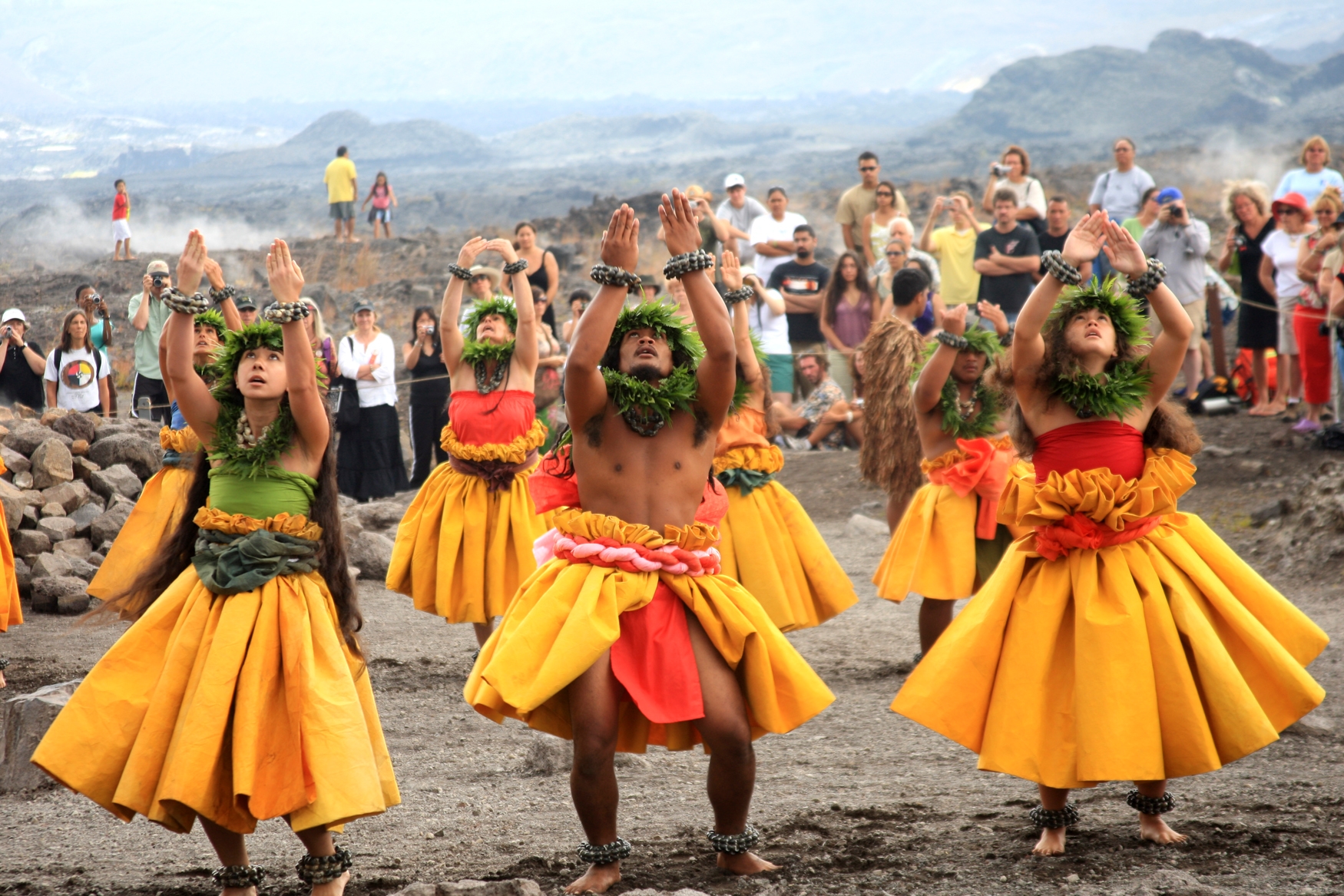
Olelo Hawaii, or the Hawaiian language, is a member of the Austronesian language family. Following the overthrow of the Kingdom of Hawaii in the late 19th century, the language faced a period of severe decline. However, the last few decades have seen a vibrant cultural renaissance. Today, you will see Hawaiian reflected in street names, place names like Mauna Kea, and in the chants and songs performed at traditional luaus across Lahaina or Kailua-Kona. It is a melodic, vowel-rich language that remains the heartbeat of native Hawaiian identity.
Hawaii Pidgin: The Language of the People
To truly understand local life, one must encounter Hawaii Pidgin, officially known as Hawaii Creole English. This is not a broken version of English, as is sometimes mistakenly assumed, but a distinct language that evolved during the plantation era.
Origins of the Creole
During the 19th and early 20th centuries, Hawaii saw an influx of immigrant laborers from Japan, China, the Philippines, Portugal, and Korea. To communicate with one another and with their supervisors, these diverse groups blended English vocabulary with the grammatical structures and loanwords from their native tongues and Hawaiian.

How It Sounds and Functions
If you spend time at local markets, surf spots like the Banzai Pipeline, or small-town eateries away from the main tourist hubs of Kaanapali, you will likely hear Pidgin. It is characterized by a rhythmic cadence and specific slang terms that convey warmth and communal belonging. For instance, you might hear phrases like “da kine” (a versatile term for anything whose name you’ve forgotten) or “shoots” (a way to say “yes” or “I agree”). While a visitor is not expected to speak Pidgin, recognizing it helps bridge the gap between “tourist” and “guest.”
Navigating Cultural Etiquette through Language
When traveling through the islands, language is not just about vocabulary; it is about showing respect. Incorporating a few Hawaiian words into your daily interactions can significantly change how you are received by the local community.
Essential Terms for Visitors
Learning the meaning behind common words demonstrates an appreciation for the land and the people.
- Aloha: Far more than “hello” or “goodbye,” aloha represents a spirit of love, compassion, and mutual respect.
- Mahalo: This means “thank you.” You will see it on signs throughout Pearl Harbor or Hanauma Bay, and using it instead of “thanks” is a small but meaningful gesture.
- Ohana: Often translated as “family,” it encompasses a broader sense of connection that includes friends and those who support one another.
- Mauka and Makai: These are essential directional terms. Mauka means “toward the mountains,” and makai means “toward the ocean.” Because the islands are shaped by volcanic landscapes, locals almost exclusively use these terms rather than north, south, east, or west.
Respecting the Culture
When visiting sacred sites, such as the Polynesian Cultural Center or the hidden valleys of Molokai, take the time to listen. The language of the land is present in the stories shared by cultural practitioners. Avoid making light of the Pidgin dialect; it is a point of deep pride for locals who view it as a testament to the resilience and unity of their multicultural ancestors.
The Role of Language in Modern Tourism
In the tourism-centric economy of Hawaii, the duality of language acts as both a convenience for the visitor and a shield for the culture.
Communication in Hospitality
Most staff members at world-class resorts like the Grand Wailea or the Royal Hawaiian Hotel are adept at switching between standard professional English and a more casual, local tone. This ability to “code-switch” allows employees to maintain efficiency for international guests while fostering a friendly, local atmosphere for residents.

Why Language Matters for the Traveler
By understanding that English, Hawaiian, and Pidgin coexist, you change your perspective of the islands. You stop seeing Hawaii as merely a tropical extension of the mainland and start seeing it as a unique, self-sustaining society with a complex history. Whether you are hiking through Haleakala National Park or exploring the historic streets of Hilo, being attentive to the language around you allows for a richer, more immersive experience.
Ultimately, language in this paradise is a bridge. While you will communicate in English to facilitate your logistics, opening yourself up to the sounds of the Hawaiian language and the colorful rhythms of Pidgin will make your visit feel less like a temporary stop and more like an authentic cultural engagement.
LifeOutOfTheBox is a participant in the Amazon Services LLC Associates Program, an affiliate advertising program designed to provide a means for sites to earn advertising fees by advertising and linking to Amazon.com. Amazon, the Amazon logo, AmazonSupply, and the AmazonSupply logo are trademarks of Amazon.com, Inc. or its affiliates. As an Amazon Associate we earn affiliate commissions from qualifying purchases.