
When visitors arrive in the tropical paradise of Hawaii, they are often greeted by an abundance of vibrant produce. From the golden hues of pineapples to the deep purples of passion fruit, the islands seem to be a cornucopia of exotic flavors. However, a closer look at the botanical history of the archipelago reveals a fascinating truth: most of the fruits commonly associated with the state today were actually introduced by humans. To understand the true bounty of the islands, one must look at the “canoe plants”—the species brought by the early Polynesian voyagers who first settled these volcanic lands over a millennium ago.

The Canoe Plants: The Original Arrivals
Before the arrival of European explorers or the development of large-scale commercial plantations, Polynesian voyagers navigated thousands of miles of open ocean to reach the Pacific Ocean islands. They did not arrive empty-handed. Recognizing that the isolated volcanic soil of the islands lacked diverse food sources, they brought a curated “survival kit” of plants that would sustain them. These plants, now known as canoe plants, are the foundation of Hawaiian agriculture and diet.
The Starchy Staple: Breadfruit (Ulu)
Perhaps the most significant fruit introduced by the early settlers is Breadfruit, known locally as ulu. This large, starchy fruit grows on massive, majestic trees that can tower over a landscape. When cooked, the texture is remarkably similar to fresh-baked bread or potatoes, providing a vital source of carbohydrates. In the early days, ulu was not just a food source; it was a symbol of prosperity. Even today, you will find Ulu celebrated in local festivals and featured on the menus of farm-to-table restaurants across the Big Island and Maui.
The Versatile Coconut (Niu)
While many consider the Coconut to be indigenous, it was actually carried to the islands by the early Polynesians. Known as niu, this fruit is a marvel of utility. Every part of the coconut was used: the water for hydration, the meat for sustenance, the husk for fiber, and the shell for containers. When traveling through Oahu or Kauai, you will see these palms swaying along the coastlines, a living testament to the survival strategies of the first settlers.
The Sweet and Savory Banana (Maiʻa)
There are dozens of varieties of bananas (maiʻa) found in the islands, all of which were brought to the islands by human hands. Unlike the standard Cavendish banana found in mainland grocery stores, the traditional Hawaiian varieties offer a complex range of textures and flavors. Some are specifically meant for roasting or steaming, while others are eaten raw. Exploring the local farmers’ markets in Hilo or Kailua-Kona provides the best opportunity to taste these distinct, heritage varieties that have been cultivated for centuries.
The Misunderstood Natives: What Actually Grew Here?
If you were to walk through the dense, untouched rainforests of Molokai or the slopes of Haleakala before the arrival of humans, you would find a very different landscape. The native fruits of the islands are, for the most part, small, hardy berries that evolved to be dispersed by birds rather than humans. These fruits are rarely found in the tourist-focused fruit stands but are vital to the health of the native ecosystem.
The ʻOhelo Berry
The Ohelo Berry is perhaps the most famous native fruit. Belonging to the cranberry family, these small, tart red or yellow berries grow primarily in the sub-alpine regions of volcanic parks. Historically, the ohelo was considered sacred to the fire goddess Pele. It is a plant that thrives in the harsh, rocky volcanic soil where few other species can survive. While rarely harvested for commercial sale, spotting these berries while hiking through Hawaii Volcanoes National Park is a highlight for nature enthusiasts.
The ʻAkala (Hawaiian Raspberry)
Another fascinating native is the Akala, or Hawaiian raspberry. Unlike the commercial raspberries one might find in a supermarket, the akala grows on large, shrubby canes in the cool, misty uplands. They can range from yellow to deep purple and offer a delicate, wild flavor. Because they are soft and difficult to transport, you will almost never find them for sale. They are a “forager’s reward,” found only by those willing to hike into the higher elevations of Lanai or the deep valleys of the northern coast.
The Culinary Legacy of Introduced Species
While the native and canoe-brought fruits define the ecological history, the modern culinary landscape of the state is undeniably shaped by later introductions. During the 19th and 20th centuries, immigrants from Japan, China, Portugal, and the Philippines brought their own fruit seeds and cuttings to the islands.
The Rise of the Pineapple and Mango
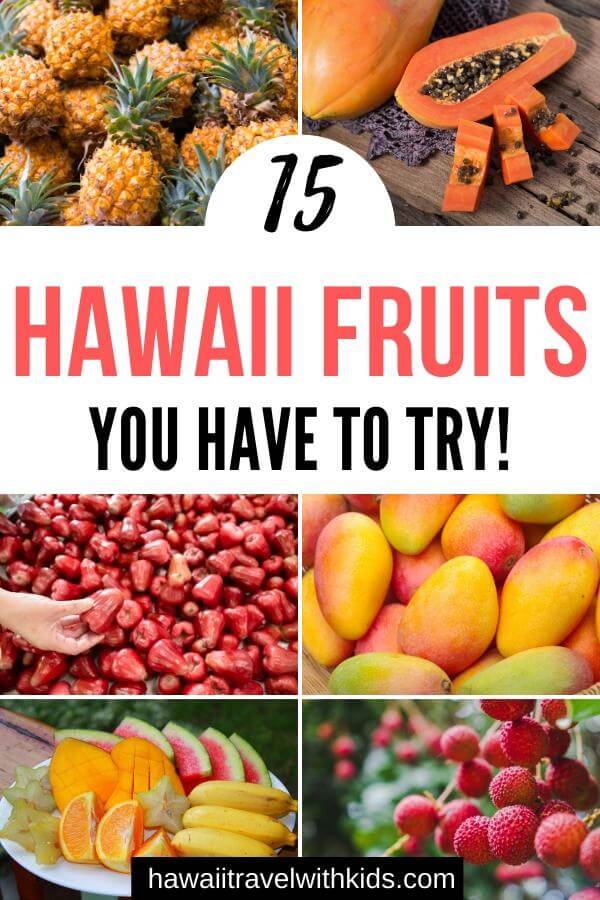
The Pineapple and Mango are arguably the most iconic fruits of the modern era, yet both were imported. The pineapple became an industrial titan of the islands, forever changing the economy, while the mango thrived in the fertile lowlands. Today, these fruits are essential components of the local diet. Many residents have mango trees in their backyards that produce more fruit than a family can eat, leading to a culture of sharing that is central to the spirit of the Aloha State.
Guava, Lilikoi, and Papaya
The Guava, Lilikoi (passion fruit), and Papaya have become so naturalized that many visitors assume they are endemic. These fruits thrive in the humid, tropical climate and are used in everything from breakfast smoothies and chilled juices to sophisticated pastries and sauces served at high-end resorts. When visiting a Farmers Market near your hotel, you are likely tasting varieties that have been perfected over decades of local selective breeding.
How to Experience Authentic Hawaiian Flavors
To truly appreciate the history and diversity of the fruits in the islands, it is important to look beyond the hotel fruit platter. Engaging with the land and the local culture provides a much richer understanding of what makes Hawaiian fruit so special.
Farm Tours and Botanical Gardens
For those interested in the history of agriculture, a tour of a working fruit farm is essential. Many growers on the island of Kauai offer guided walks that explain the difference between native, canoe-introduced, and modern fruit varieties. Additionally, visiting the National Tropical Botanical Garden allows you to see the rare, endemic species that are currently undergoing conservation efforts.
The Importance of Sustainability
When consuming fruit in the islands, consider the source. Supporting local growers is a way to ensure that the unique, small-scale farming culture of the islands persists. Many of the heritage varieties of bananas and mangoes are not shipped internationally because they are too delicate; they can only be enjoyed by those who visit the islands and purchase them directly from the local farmers.
By understanding the distinction between native berries like the ohelo, the essential canoe plants like ulu and niu, and the later arrivals that defined the island’s commercial history, you gain a deeper appreciation for every bite of fruit you enjoy. Whether you are tasting a simple slice of papaya on a beach in Waikiki or foraging for wild raspberries in the misty mountains of Maui, the fruits of these islands tell the story of a journey—a story of exploration, survival, and adaptation that continues to evolve today.
LifeOutOfTheBox is a participant in the Amazon Services LLC Associates Program, an affiliate advertising program designed to provide a means for sites to earn advertising fees by advertising and linking to Amazon.com. Amazon, the Amazon logo, AmazonSupply, and the AmazonSupply logo are trademarks of Amazon.com, Inc. or its affiliates. As an Amazon Associate we earn affiliate commissions from qualifying purchases.