
The islands of Hawaii are often described as a tropical paradise, a reputation earned not only by the stunning turquoise waters of Oahu or the dramatic volcanic landscapes of The Big Island but by the sheer abundance of its fertile soil. For those visiting this Pacific archipelago, the culinary landscape is just as significant as the scenery. From roadside farm stands on Maui to lush, hidden orchards in Kauai, the fruits grown here are a vibrant testament to the islands’ unique volcanic climate.
The Tropical Staples of the Hawaiian Islands
The primary appeal of Hawaiian produce lies in its variety. Because the islands feature diverse microclimates—ranging from arid coastal plains to humid, rain-drenched rainforests—a wide spectrum of tropical fruits thrives here.

Pineapples and the Agricultural Legacy
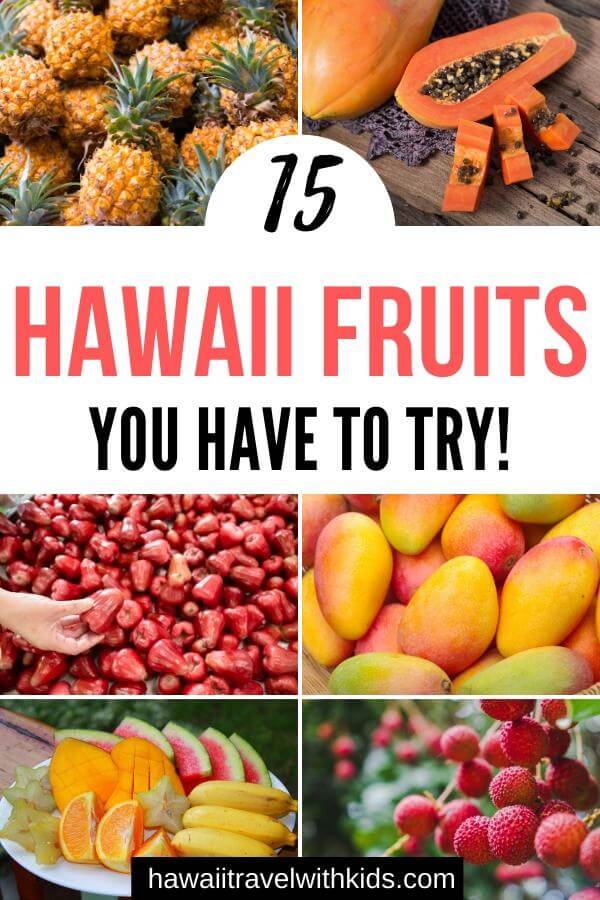
No discussion of Hawaiian fruit is complete without mentioning the pineapple. While not native to the islands, the fruit became synonymous with Hawaii in the early 20th century. Visitors traveling through central Maui will often see vast fields dedicated to the cultivation of these sweet, golden gems. The “Maui Gold” variety is particularly celebrated for its low acidity and high sugar content, offering a flavor profile far superior to many store-bought varieties found on the mainland.
The Ubiquitous Papaya
Papaya is perhaps the most reliable breakfast companion in the islands. Known locally for its digestive enzymes and sweet, butter-like consistency, the solo papaya is the most common variety. Whether you are staying at a luxury resort in Waikiki or a boutique bed and breakfast in Hilo, you are likely to find a wedge of fresh papaya on your plate, usually accompanied by a squeeze of local lime.
Mangoes: A Seasonal Obsession
In the summer months, the scent of ripe mangoes hangs heavy in the air across all the islands. Unlike many commercial varieties, Hawaiian mangoes come in dozens of cultivars, ranging from the fibrous, flavorful “Piries” to the smooth, large “Haden.” Residents often have trees in their backyards, leading to a local culture of sharing the bounty when the harvest is particularly heavy.
Exotic Varieties You Must Try
While tourists are generally familiar with pineapples and papayas, the true joy of Hawaiian fruit exploration lies in the more exotic, less-traveled varieties that can be found at local farmers’ markets.
Dragon Fruit and Starfruit
Known for their striking appearance, dragon fruit (pitaya) and starfruit (carambola) add a splash of color to the local fruit stalls. Dragon fruit, with its vibrant pink skin and speckled flesh, provides a mild, refreshing sweetness. Starfruit, meanwhile, is prized for its crisp texture and tangy, citrus-like finish, making it a favorite for garnishing cocktails at sunset on Kona.

The Surprising Lychee and Rambutan
Visiting during the late spring or early summer offers the chance to sample lychee and rambutan. These fruits, with their translucent, jelly-like interiors, are delicate and fleeting. Rambutan, easily identified by its hairy, red exterior, is a fun, interactive treat. Peeling back the skin to reveal the sweet, perfumed fruit inside is a quintessential Hawaii experience that captures the essence of the islands’ Asian-Pacific influence.
Passion Fruit, or Lilikoi
Known as lilikoi in the islands, passion fruit is perhaps the most beloved flavor in Hawaiian cuisine. Its tart, aromatic seeds and pulp are used in everything from dressings and butter to shave ice toppings and cocktails. Exploring the farmers’ markets in Waimea often leads to discovering fresh lilikoi curd or jam, which serve as excellent souvenirs to bring a taste of the islands back home.
Where to Find the Freshest Local Produce
Understanding what grows is one thing; knowing where to find the highest quality, locally grown fruit is essential for any food-focused traveler.
Farmers’ Markets as Cultural Hubs
The best way to engage with the local agricultural scene is to visit the community farmers’ markets. In Honolulu, the Kapiʻolani Community College market is a legendary stop where local farmers gather to sell everything from avocados the size of grapefruits to freshly harvested rambutans. These markets are not just places to buy food; they are social hubs where you can learn about the seasonality of the produce directly from the growers.
Roadside Stands and Self-Serve Honesty
Driving along the Hana Highway on Maui or the backroads of The Big Island, you will encounter small roadside stands. These often feature self-serve honor systems where you can pick up a bag of bananas, papayas, or coconuts. This is perhaps the most authentic way to consume fruit in Hawaii—freshly picked and sold by the hands that nurtured the trees.
Tips for Fruit Enjoyment and Travel
To fully appreciate the fruit culture in the islands, one must be mindful of local etiquette and agricultural regulations.
Respecting the Ecosystem
It is vital to recognize that Hawaii has strict agricultural laws to protect its unique, fragile environment. If you purchase fruit at a local market, be aware that there are restrictions on taking certain fresh produce off the islands, particularly if you are heading to the mainland United States. Always check with the Department of Agriculture or the specific requirements at the airport before packing any fruit in your luggage.
Seasonal Eating
While the climate allows for year-round growth, certain fruits have distinct peak seasons. Eating with the seasons is the best way to ensure you are tasting the produce at its absolute peak. For instance, while bananas are available throughout the year, the sweetness of mangoes is highly dependent on the summer rainfall and heat. Engaging with vendors at places like the Hilo Farmers Market provides you with the inside track on what is currently at its most flavorful stage.
Incorporating Fruit into Your Itinerary
Whether you are planning a luxury retreat or a hiking excursion through Haleakala National Park, try to weave local fruit into your daily activities. Starting your day with a local fruit plate, or ending a hike with a refreshing slice of chilled watermelon or dragon fruit, elevates the travel experience. It grounds the journey in the land itself, creating a deeper connection to the place. The tropical bounty of these islands is a gift that rewards those who take the time to seek out the local flavors, turning every meal into a celebration of the volcanic, rain-kissed earth that makes Hawaii so extraordinary.
LifeOutOfTheBox is a participant in the Amazon Services LLC Associates Program, an affiliate advertising program designed to provide a means for sites to earn advertising fees by advertising and linking to Amazon.com. Amazon, the Amazon logo, AmazonSupply, and the AmazonSupply logo are trademarks of Amazon.com, Inc. or its affiliates. As an Amazon Associate we earn affiliate commissions from qualifying purchases.