
For aviation enthusiasts and long-haul explorers, the vast expanse of the Pacific Ocean represents the ultimate challenge. When one contemplates the stretch between Hawaii and Australia, the sheer distance—roughly 4,500 to 5,000 miles depending on the route—immediately disqualifies the vast majority of rotorcraft currently in existence. While fixed-wing aircraft cross this blue desert with ease, helicopters face significant limitations regarding fuel capacity, aerodynamic efficiency, and oceanic safety protocols.
The Aerodynamic and Range Constraints of Rotorcraft
Helicopters are marvels of vertical flight, yet their physics dictate a fundamental trade-off: they are inherently less fuel-efficient than fixed-wing aircraft. To traverse the distance from a hub in Honolulu to a destination like Sydney, a machine would require an unprecedented range that exceeds the standard operational envelope of every civilian and military helicopter on the market today.

The Physics of Long-Range Flight
Most long-range executive or utility helicopters have an operational radius of roughly 300 to 600 miles. Even with auxiliary fuel tanks—a modification seen in ferry flights—extending this range to the thousands of miles required for a trans-Pacific crossing is physically impossible without mid-air refueling or an excessive number of island stopovers.
The Problem of Weight and Balance
To achieve the range necessary to cross from the United States to Oceania, a helicopter would need to be almost entirely composed of fuel. Once you add the necessary survival gear, life rafts, and emergency communication equipment required for crossing the Pacific, the payload capacity is compromised to the point of structural failure or loss of lift.
Can Any Helicopter Make the Journey?
The short, technical answer is that no production helicopter is designed for a non-stop flight between Hawaii and Australia. However, in the niche world of ferry flying, pilots have occasionally moved helicopters across oceans by stripping them down and installing temporary, oversized fuel bladders.
The Necessity of “Island Hopping”
If a pilot were determined to move a rotorcraft across this route, they would not treat it as a direct flight. Instead, the journey would resemble a series of endurance tests. The pilot would need to plot a course through Kiribati, Fiji, and New Caledonia. Even with these stops, the flight involves legs that push the limits of modern rotorcraft engines and pilot fatigue management.
Specialized Ferries and Military Refueling
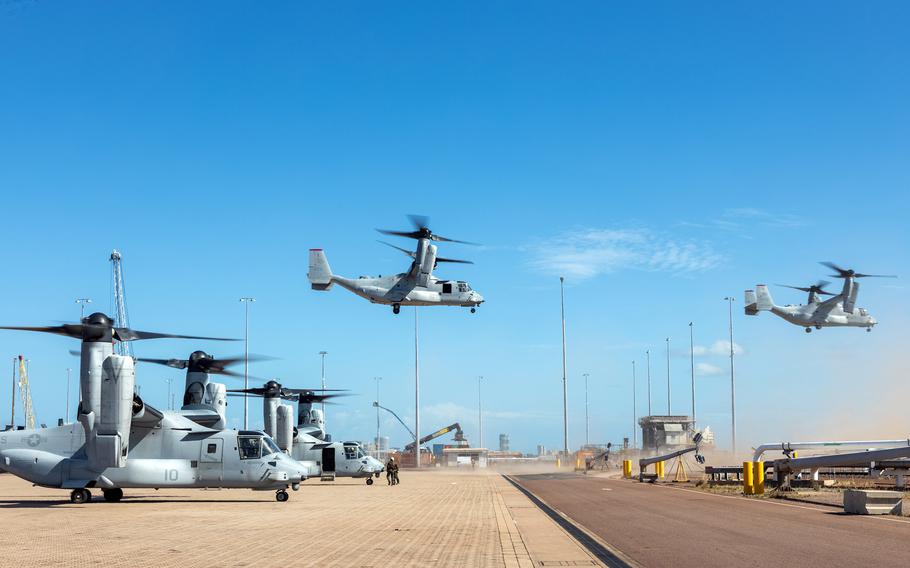
The only instances where helicopters have performed massive oceanic transits involve mid-air refueling. Military platforms like the Sikorsky CH-53E Super Stallion are capable of receiving fuel from aerial tankers. Without this capability, the logistical requirements for a transit from the North Pacific to the South Pacific are practically insurmountable for a private owner or civilian operator.
Safety Protocols for Trans-Pacific Aviation
Attempting to fly a helicopter over such a vast expanse of water is fraught with danger. Unlike flying over land, where a mechanical issue might allow for an emergency autorotation into a field, an oceanic crossing offers no such safety net.
Emergency Equipment and Survival
For any long-distance flight over the Pacific Ocean, safety is the primary concern. Aircraft must be equipped with:
- Deployable Life Rafts: Essential for surviving a ditching.
- High-Frequency Radios: Standard VHF radios are ineffective at long distances, necessitating specialized long-range communication.
- Satellite Tracking: Real-time location monitoring to assist Search and Rescue teams should the aircraft go off-grid.
Environmental Hazards
The weather patterns between Hawaii and Australia are notoriously unpredictable. Sudden storms, localized microbursts, and heavy trade winds can force a helicopter to consume fuel at a much faster rate than calculated. Because helicopters lack the service ceiling of commercial jetliners, they are often forced to fly through the weather rather than above it, further increasing the risk profile of the journey.
Logistics: The Reality of Moving Rotorcraft Overseas
If you are a private owner wishing to have your helicopter in Australia after purchasing it in Hawaii, the aviation industry has developed a standard, reliable solution that avoids the risks of flight altogether.
The Role of Air Freight
The standard procedure for transporting an aircraft over such a distance is to disassemble the rotor blades, crate the fuselage, and ship it via air cargo or ocean freight. Heavy-lift aircraft like the Antonov An-124 are frequently chartered to carry multiple helicopters across the globe. This method ensures the airframe remains within its operational maintenance limits and avoids the extreme wear and tear associated with long-range ferry flights.
Professional Ferry Services
For those who insist on flight, professional ferry pilots provide a specialized service. They are experts in obtaining overflight permits, navigating international airspace, and preparing the helicopter for “over-water” configuration. These professionals prioritize safety and logical routing, ensuring that every leg of the journey has a viable alternate landing site within range.

Conclusion: Understanding the Limits of Vertical Flight
While the romantic notion of flying a helicopter from the tropical shores of Hawaii to the bustling coastal cities of Australia is a thrilling thought, it remains outside the reach of standard aviation capabilities. The combination of fuel density, mechanical reliability, and the sheer vastness of the Pacific makes such a feat a task better suited for shipping containers than cockpits.
For the adventurer, the focus should remain on the incredible landscapes that Oceania offers once you arrive. Whether you are landing a chopper on a remote pad in New Zealand or enjoying a scenic tour over the Great Barrier Reef, the joy of helicopter travel is best experienced within the regional constraints for which these versatile machines were designed. By respecting the physics of flight and the logistical reality of long-haul travel, one ensures that the journey remains as safe as it is spectacular.
Ultimately, the best way to bridge the gap between two continents is to embrace the journey as part of the destination—using the right tools for the right environment. When you arrive in Brisbane or Melbourne after a well-planned transit, the satisfaction of having navigated the globe safely far outweighs the novelty of attempting a flight that defies the practical limitations of modern rotorcraft.
LifeOutOfTheBox is a participant in the Amazon Services LLC Associates Program, an affiliate advertising program designed to provide a means for sites to earn advertising fees by advertising and linking to Amazon.com. Amazon, the Amazon logo, AmazonSupply, and the AmazonSupply logo are trademarks of Amazon.com, Inc. or its affiliates. As an Amazon Associate we earn affiliate commissions from qualifying purchases.