
When considering a long-term real estate investment or a permanent residence in Hawaii, prospective buyers often encounter two distinct ownership models: fee simple and leasehold. For those dreaming of waking up to the Pacific breeze in Honolulu or finding a sanctuary on Maui, understanding the nuances of leasehold property is essential. Unlike the traditional fee simple ownership common in many parts of the mainland United States, leasehold interest involves a unique contractual relationship between the homeowner and the landowner.
Understanding the Leasehold Ownership Model
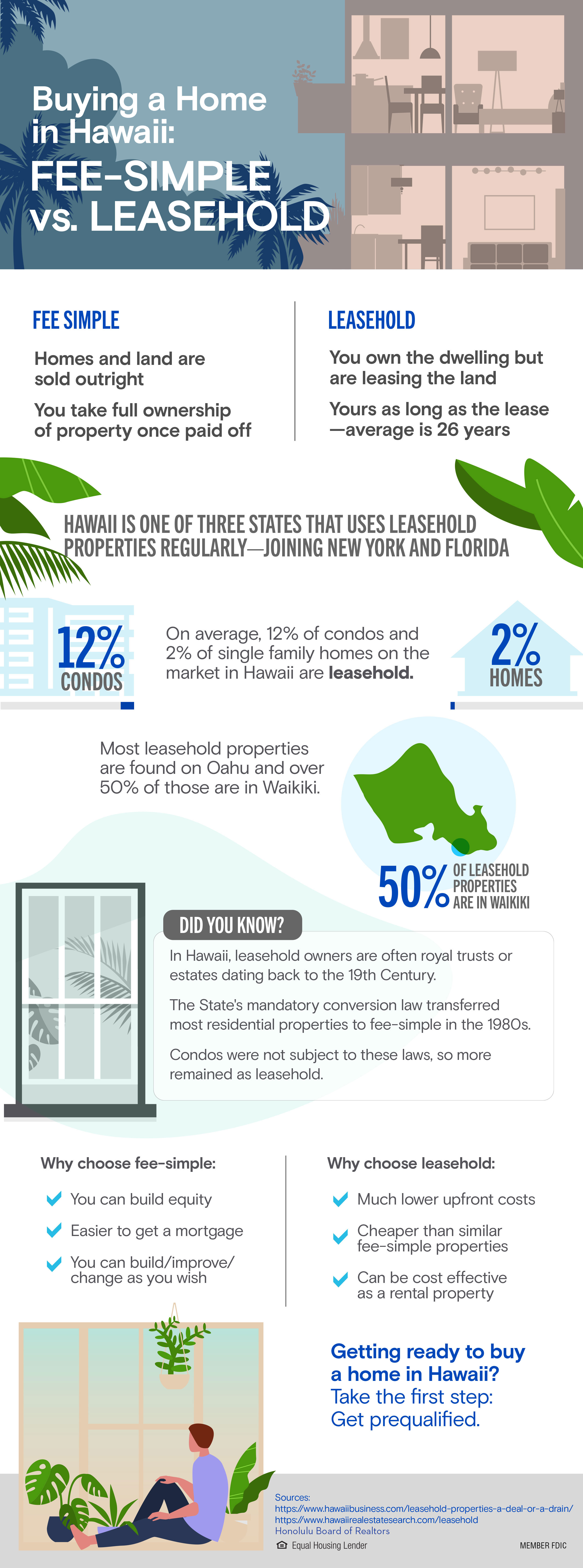
At its core, a leasehold property in Hawaii means you own the improvements—the actual structure of the condo, house, or apartment—but you do not own the land beneath it. Instead, you enter into a long-term lease agreement with the landowner, often referred to as the “fee owner” or “lessor.”
The Separation of Structure and Land
In a leasehold arrangement, the homeowner holds the right to occupy, use, and even sell the property for the duration of the lease. However, you are required to pay a monthly lease rent to the landowner. This is fundamentally different from a fee simple purchase, where you own both the building and the land in perpetuity. In islands like Oahu or Kauai, this model was historically adopted due to large landholdings held by estates, trusts, or charitable foundations.
Lease Terms and Expirations
Every leasehold property comes with a specific “term.” These leases can range anywhere from 20 to 99 years. The critical factor for any buyer is the “expiration date.” As the lease term winds down, the value of the property can be impacted, and securing financing becomes significantly more challenging. When the lease expires, the rights to the structure technically revert to the landowner, unless a renewal is negotiated or the fee interest is purchased.
The Financial Implications of Leasehold Interests
The primary driver for buyers considering a leasehold property is the initial purchase price. Generally, leasehold units in prime locations near Waikiki or Kailua are priced significantly lower than comparable fee simple properties. This price gap exists because the buyer is effectively purchasing only the structure, rather than the underlying real estate asset.
Monthly Lease Rent and Adjustments
Beyond the lower acquisition cost, buyers must account for the monthly lease rent. This payment is separate from standard Homeowners Association (HOA) fees or property taxes. Furthermore, these lease agreements often include “renegotiation clauses.” At specific intervals—perhaps every 10 or 20 years—the landowner has the right to adjust the lease rent to reflect the current market value of the land. This can lead to unpredictable increases in monthly overhead, a factor that requires careful financial planning.

Financing and Mortgage Constraints
Obtaining a traditional mortgage for a leasehold property can be complex. Many lenders are hesitant to finance leasehold properties unless the remaining lease term is significantly longer than the loan term. For example, if you are looking for a 30-year mortgage, a lender might require the lease to have 35 or more years remaining. Consequently, many leasehold transactions are completed using cash, which naturally limits the buyer pool and can influence future resale liquidity.
Leasehold vs. Fee Simple: Weighing the Trade-offs
Deciding between leasehold and fee simple ownership depends heavily on your long-term goals. If your intention is to live in a luxury condo in The Ritz-Carlton Residences for a set number of years, or if you are looking for an affordable gateway into the Hawaiian lifestyle, leasehold might provide a viable entry point.
The Potential for Fee Conversion
One of the most attractive aspects of some leasehold properties is the potential for “fee conversion.” Occasionally, the landowner may offer to sell the “fee interest” to the lessees. If you have the capital to purchase the land, your property essentially transforms into fee simple, drastically increasing its market value and your long-term security. However, this is never guaranteed and depends entirely on the landowner’s willingness to sell.
Exit Strategy and Resale Value
Resale is a critical consideration for leasehold owners. As the lease term shortens, the pool of potential buyers shrinks, as fewer people are willing to invest in a property with a limited lifespan. It is vital to consult with a local real estate professional who specializes in these complex transactions. They can provide insight into the specific master lease terms and any pending negotiations regarding the land.
Lifestyle Considerations for Hawaii Residents
Living in a leasehold property does not necessarily change the day-to-day experience of island life. You still enjoy the same amenities, views, and proximity to local landmarks as your fee simple neighbors. Whether you are situated near the iconic Diamond Head State Monument or seeking the tranquil lifestyle of the Big Island, the structure you reside in is still your personal domain.
Managing Expectations
For many, the leasehold model is a lifestyle choice. By opting for a leasehold unit, some investors find they can afford a higher-end unit or a better location than they could otherwise manage in the fee simple market. The saved capital from the initial purchase price can be redirected toward travel, dining, or experiences within Hawaii.
Due Diligence Checklist
Before committing to any leasehold purchase, perform rigorous due diligence:
- Lease Expiration: Identify exactly when the lease ends and if there are provisions for extension.
- Renegotiation Schedule: Understand when the lease rent is scheduled for its next review and how the new rate is calculated (e.g., based on percentage of land value).
- HOA Health: Ensure the homeowners association is well-managed, as maintenance of the structure is solely the responsibility of the collective owners.
- Legal Counsel: Given the intricacies of Hawaiian land law, it is highly recommended to have a real estate attorney review the lease document before signing any contracts.
By approaching a leasehold purchase with a clear understanding of the financial commitments and the unique nature of the land-structure relationship, you can successfully navigate the market. While it differs from the conventional home-buying process, the leasehold market remains a significant component of real estate in the islands, providing access to incredible properties that might otherwise be out of reach. Always prioritize transparency in the documentation and maintain a long-term view of your investment goals to ensure your time in the islands is as serene as the landscapes themselves.
LifeOutOfTheBox is a participant in the Amazon Services LLC Associates Program, an affiliate advertising program designed to provide a means for sites to earn advertising fees by advertising and linking to Amazon.com. Amazon, the Amazon logo, AmazonSupply, and the AmazonSupply logo are trademarks of Amazon.com, Inc. or its affiliates. As an Amazon Associate we earn affiliate commissions from qualifying purchases.