
Dominating the skyline of Honolulu and serving as the most recognizable silhouette on the island of Oahu, Diamond Head is far more than just a scenic backdrop for the high-rise hotels of Waikiki. To the native Hawaiians, it is known as Leahi, a name steeped in legend and geological significance. Understanding what this volcanic tuff cone truly represents requires a deep dive into its unique formation, its strategic role in United States military history, and its current status as a premier destination for hikers and nature enthusiasts visiting Hawaii.
Geological Origins and Cultural Significance
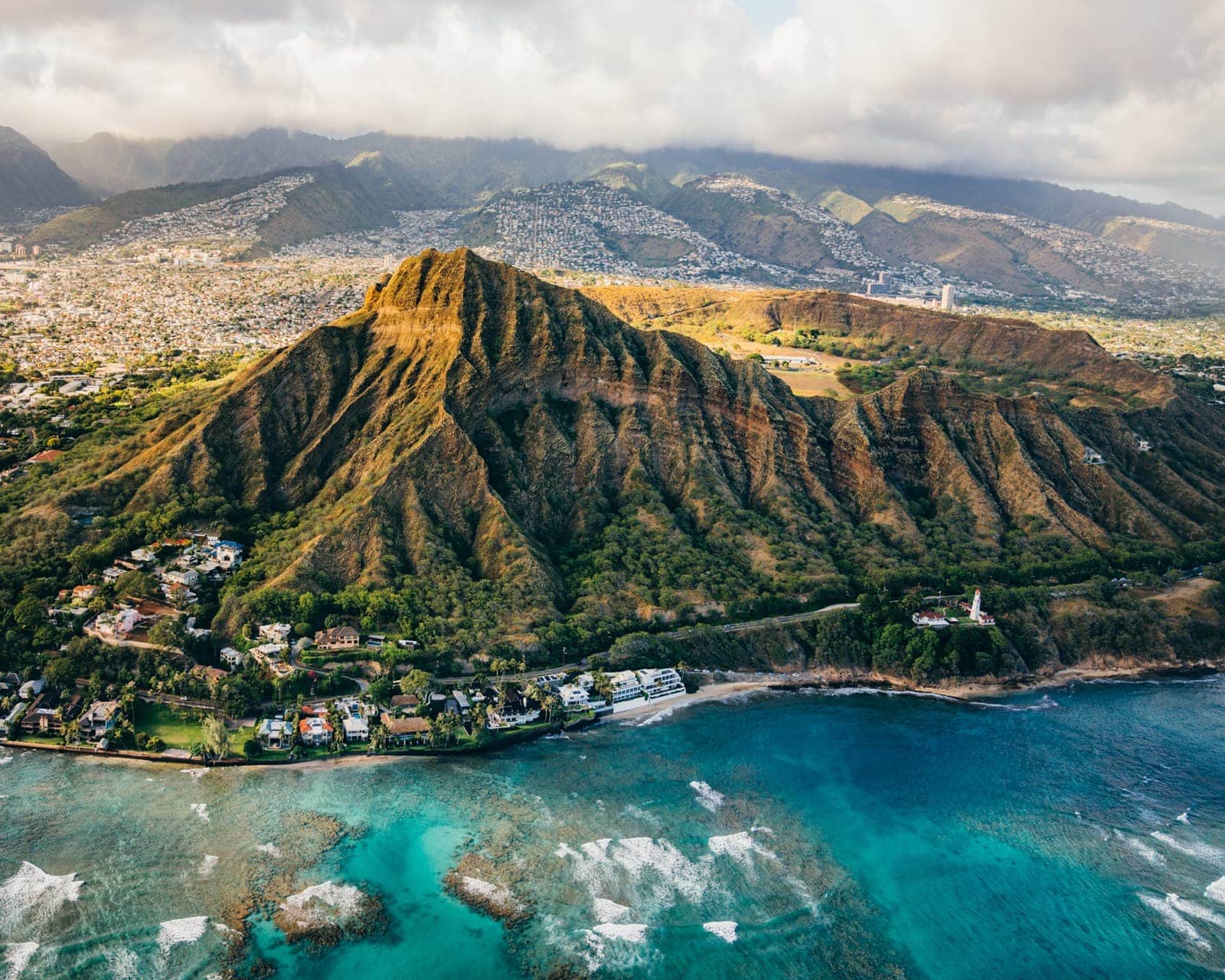
The dramatic profile of Diamond Head State Monument was formed during a single, explosive volcanic event approximately 300,000 years ago. Unlike the massive shield volcanoes that built the Hawaiian Islands, this feature is a monogenetic tuff cone. It was created when rising magma interacted with groundwater, causing a series of violent steam explosions that ejected ash and fine-grained tephra into the air. These materials settled and solidified into the hardened rock structure that defines the crater today.
The Legend of Leahi
For the indigenous people of the Pacific Ocean, the crater is known as Leahi. The name translates roughly to “brow of the tuna,” derived from the resemblance of the ridgeline to the dorsal fin of the ahi fish. Beyond its visual description, the site is deeply spiritual. In ancient Polynesian mythology, the crater is associated with Hiʻiaka, the sister of the fire goddess Pele. It was said that she named the crater after the forehead of a tuna, marking the landscape with the signature of the divine.
How it Gained its Western Name
The English name, Diamond Head, was bestowed upon the landmark in the 19th century by British sailors. Upon spotting calcite crystals embedded in the volcanic rock, they mistakenly identified them as diamonds. While the “diamonds” were soon revealed to be worthless, the name stuck, eventually becoming the globally recognized moniker for this geological wonder.
A Strategic Military Sentinel
While the crater is now primarily a destination for leisure, its elevated position overlooking the Pacific made it an essential component of the coastal defense system for the United States Army during the early 20th century. Recognizing that the crater’s high walls provided a natural fortress, the military purchased the land and began construction of Fort Ruger in 1906.
The Tunnel and the Fire Control Station
To facilitate the movement of troops and equipment, engineers tunneled directly through the crater wall. Visitors today still walk through this historic tunnel as part of the ascent to the summit. Once inside, the U.S. Military constructed the Fire Control Station at the peak. This installation was designed to coordinate long-range artillery batteries along the coast of Oahu, serving as a vital observation post during the World War II era.
Preservation and National Landmark
In 1968, Diamond Head was declared a National Natural Landmark. This designation recognized both its unique geological history and its cultural importance. Since being turned over to the State of Hawaii, the site has been managed to preserve its fragile ecosystem and ensure that the historic military structures remain standing as a testament to the island’s complex past.
The Hiking Experience: What to Expect
Hiking to the summit of Diamond Head is arguably the most popular activity for tourists in Honolulu. The trail is relatively short—approximately 1.6 miles round trip—but it is physically demanding due to the steep incline, uneven volcanic terrain, and the intense tropical sun.
Navigating the Ascent
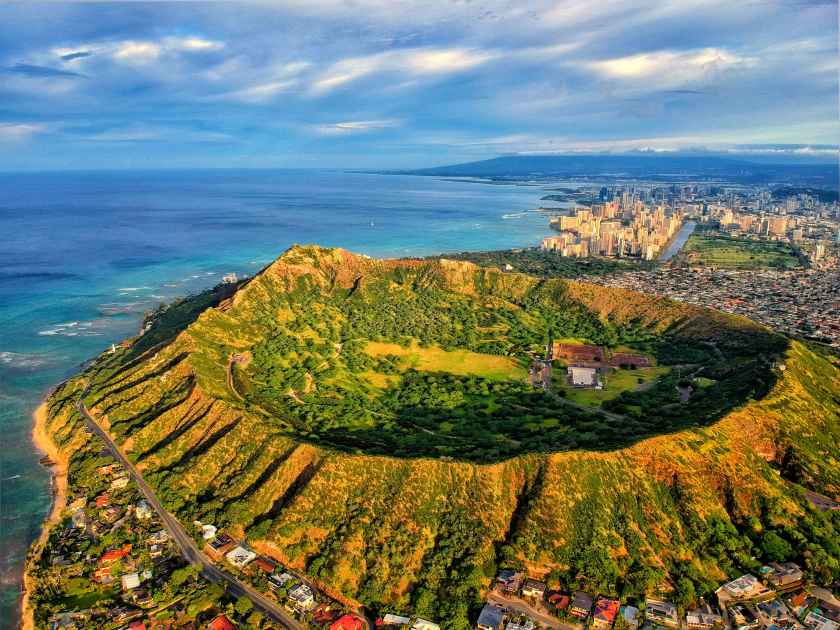
The journey begins on a dirt path that gradually transitions into concrete and switchbacks. The trail winds along the interior slope of the crater, offering glimpses of the vast, bowl-like expanse of the Diamond Head Crater. As hikers progress, the path becomes more rugged. The final leg of the journey is the most intense, requiring hikers to navigate a series of steep stairs and an old military bunker staircase before climbing a final ladder to reach the observation deck.
The Summit View
The effort is rewarded with a panoramic vista that is arguably unmatched on Oahu. From the peak, hikers can see the turquoise waters of the Pacific Ocean stretching toward the horizon, the expansive sprawl of Waikiki Beach, and the Koolau Range rising sharply in the distance. On exceptionally clear days, observers may even catch a glimpse of the neighboring islands of Molokai and Lanai.
Planning Your Visit to the Landmark
To ensure a positive experience, visitors must engage in careful planning. Because Diamond Head State Monument is a highly protected area, there are strict regulations regarding access.
Reservations and Logistics
In recent years, the Hawaii Department of Land and Natural Resources implemented a reservation system for both parking and entry. This has helped manage foot traffic and protect the environment from degradation caused by over-tourism. It is highly recommended to book a time slot well in advance of your trip to Hawaii.

Best Practices for Hikers
- Hydration and Preparation: There is no water available on the trail. Hikers should bring plenty of water, wear sturdy footwear, and apply sun protection, as the trail is almost entirely exposed to direct sunlight.
- Timing: Early morning visits are generally preferred to avoid the midday heat and the largest crowds. Arriving shortly after the park opens also provides the most comfortable hiking conditions.
- Respect for History: As you climb, you will encounter various military bunkers and remnants of the Fort Ruger era. These structures are protected; please refrain from climbing on or defacing them, as they are significant parts of United States history.
- Leave No Trace: The crater is a fragile environment. Staying on the designated trails is essential to prevent soil erosion and protect the native Hawaiian flora that struggles to grow in the arid climate of the crater floor.
By understanding the history and significance of Diamond Head, a simple hike becomes a meaningful encounter with the geology, culture, and military heritage of the Pacific. Whether you are a fitness enthusiast seeking a challenging climb or a history buff interested in the fortifications of the Second World War, this landmark offers a profound perspective on the beauty and resilience of Oahu.
LifeOutOfTheBox is a participant in the Amazon Services LLC Associates Program, an affiliate advertising program designed to provide a means for sites to earn advertising fees by advertising and linking to Amazon.com. Amazon, the Amazon logo, AmazonSupply, and the AmazonSupply logo are trademarks of Amazon.com, Inc. or its affiliates. As an Amazon Associate we earn affiliate commissions from qualifying purchases.