
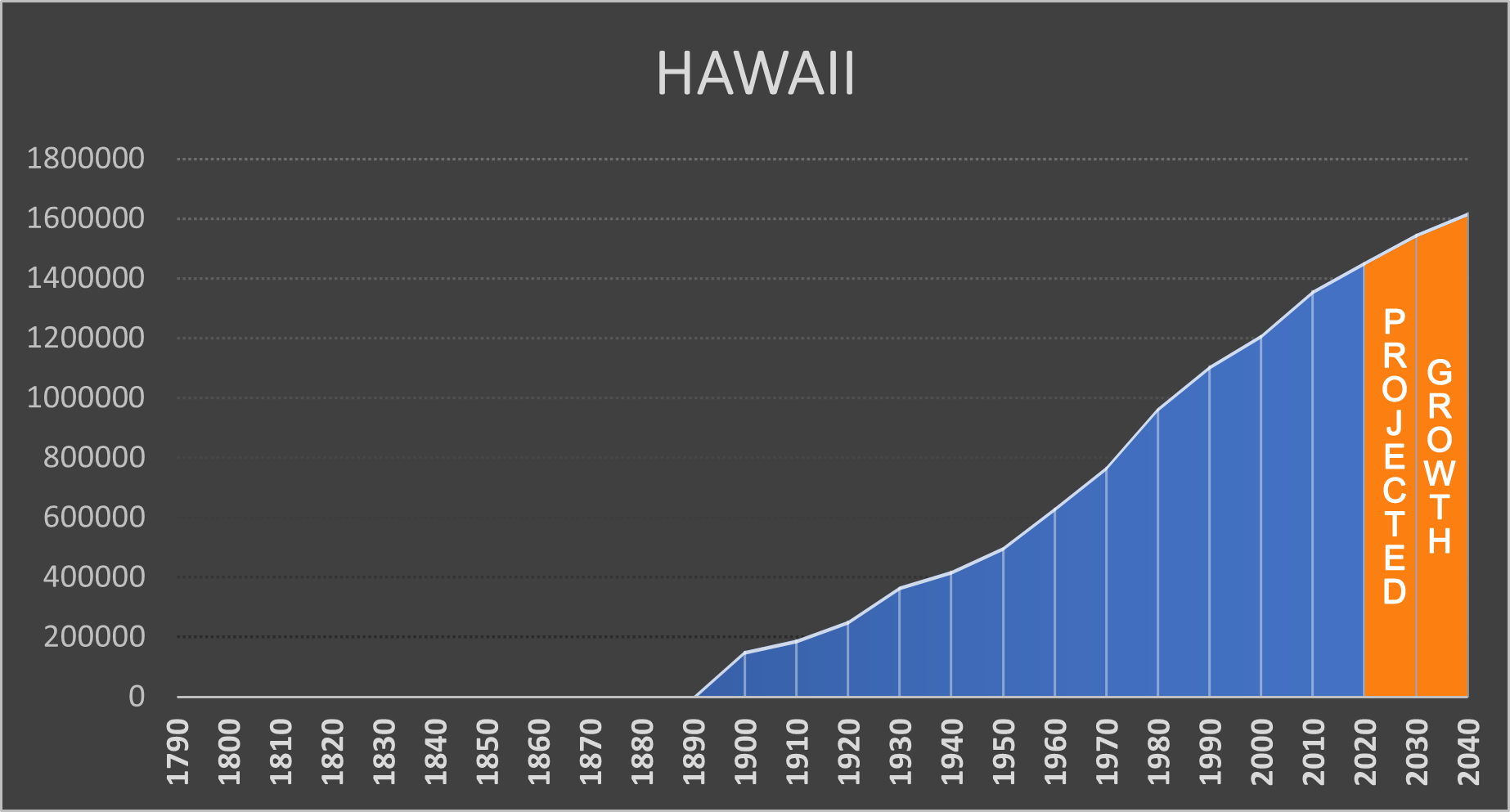
The demographic landscape of Hawaii is as diverse and vibrant as the archipelago’s volcanic terrain. Understanding the population of this Pacific paradise requires looking beyond a simple census number. It is an exploration of indigenous roots, waves of international migration, and the modern-day socioeconomic shifts that define the islands today. As of the most recent estimates, the population of the state hovers around 1.4 million residents, distributed across its eight primary islands.
A Historical Tapestry of Cultural Diversity
The history of Hawaii is reflected in its contemporary population. To understand who lives in the islands today, one must appreciate the centuries of transformation that have occurred since the first Polynesian voyagers arrived on these shores.
The Indigenous Roots
At the heart of the Hawaiian identity are the Native Hawaiians. Historically, the population was entirely comprised of indigenous people who navigated the Pacific by the stars to settle in Oahu, Maui, Kauai, and Hawaii Island. Today, those of Native Hawaiian ancestry make up a significant portion of the demographic, often identifying as part of a multi-ethnic heritage. The preservation of culture, language, and tradition remains the bedrock of island life.
The Plantation Era and Migration
The late 19th and early 20th centuries brought a seismic shift in demographics due to the rise of the sugar and pineapple industries. To satisfy the demand for labor, thousands of immigrants arrived from Japan, China, the Philippines, Portugal, and Korea. This massive influx transformed the islands into a “melting pot,” a term that is often used to describe the unique social fabric where Asian and Pacific Islander traditions blend seamlessly with Western influences. This historical migration is the reason for the modern-day culinary scene, the diverse religious practices, and the harmonious multiculturalism found in cities like Honolulu.
Geographic Distribution and Population Density
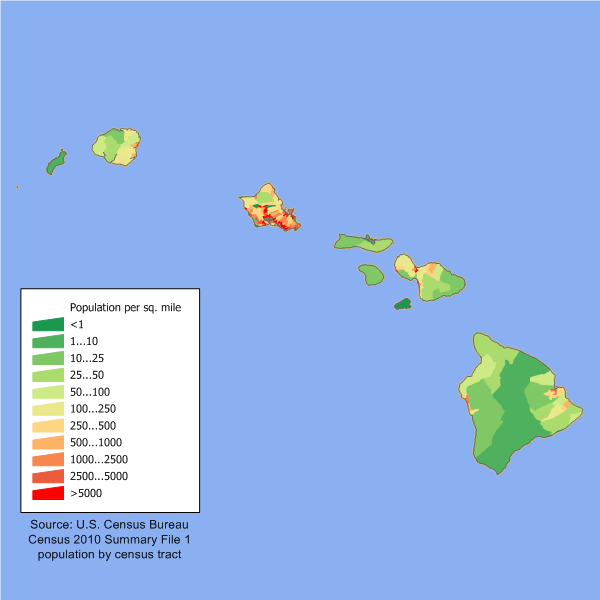
The population of Hawaii is not spread evenly across the archipelago. Instead, it is heavily concentrated on the island of Oahu, which serves as the economic and political center of the state.
The Urban Center of Honolulu
Honolulu, located on the southern shore of Oahu, houses the vast majority of the state’s inhabitants. As the state capital and a bustling metropolitan hub, it offers the highest density of housing, services, and employment opportunities. Areas like Waikiki are densely populated by both residents and tourists, creating a high-energy environment that stands in stark contrast to the quieter, rural regions of the state.
The Neighbor Islands
In contrast to the urban bustle of the capital, the “Neighbor Islands”—Maui, Kauai, and Hawaii Island—maintain a slower pace of life. Hawaii Island, often called the Big Island, has a much larger landmass but a significantly lower population density compared to Oahu. The population here is centered around towns like Hilo and Kailua-Kona. These areas provide a window into a more traditional island lifestyle, where geography dictates community clusters and distance between neighbors is often measured in miles of lush, volcanic wilderness rather than city blocks.
The Influence of Tourism on Local Demographics
When discussing the population of Hawaii, it is impossible to ignore the “de facto” population. This refers to the number of people physically present in the state at any given time, which includes the millions of visitors who travel here annually.
Transient Populations
On any given day, thousands of tourists are scattered across popular destinations such as Lahaina, Hanalei, and Waimea. These transient visitors contribute to the infrastructure strain and economic vitality of the islands. While they are not counted in the official residential census, they significantly impact the daily density of locations like North Shore or the beaches of Poipu.
Economic Drivers and Cost of Living
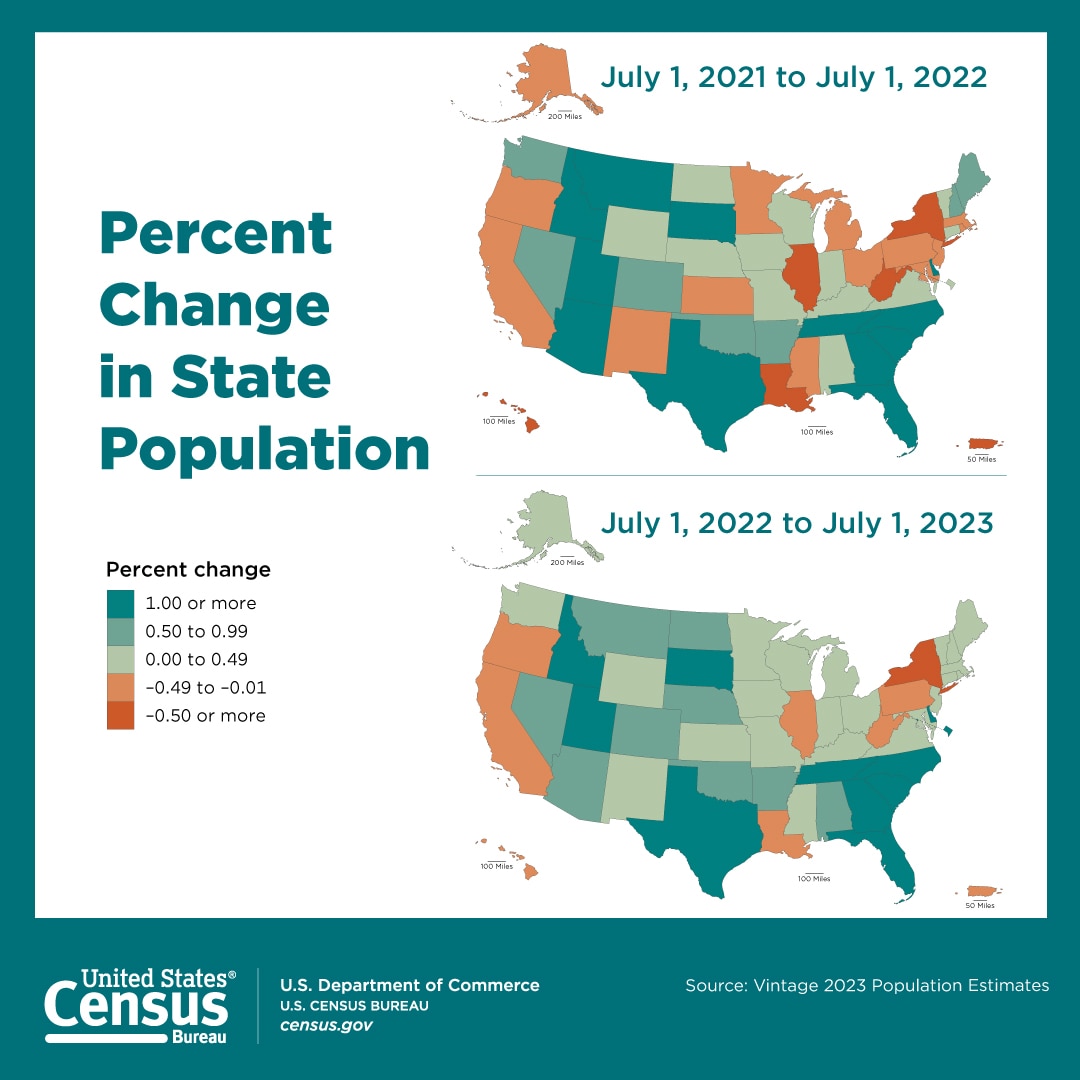
The high cost of living in Hawaii has historically caused a “brain drain” and a shifting demographic. Many local families find it challenging to sustain life in high-cost areas like Kapolei or Kahului, leading some to relocate to the United States mainland. This migration trend is a frequent topic of debate in local politics, as it impacts the long-term sustainability of multi-generational households that are quintessential to the Hawaiian way of life.
Future Projections and Sustainability
As the state moves forward, the focus shifts toward sustainable growth. Understanding the population of Hawaii is crucial for urban planners, environmentalists, and policymakers who manage the balance between development and preservation.
Balancing Infrastructure with Growth
With land being a finite resource on islands like Lanai and Molokai, population management is vital. The state government continuously evaluates how much the existing water, energy, and transportation grids can handle. Places like the Pearl Harbor area or the growing residential developments in Ewa Beach are examples of how modern expansion must be carefully monitored to preserve the unique character of the islands.
The Role of Military Personnel
A unique segment of the Hawaiian population is the military community. Given the strategic importance of locations like Joint Base Pearl Harbor-Hickam, a large number of service members and their families rotate through the state. This demographic adds a layer of fluidity to the overall count, as military families are often stationed in the islands for limited multi-year tours before transitioning back to the mainland. This, along with the student population at the University of Hawaii, ensures that the demographic landscape remains in a constant state of flux.
Preserving the Spirit of Aloha
Ultimately, the population of Hawaii is defined by more than just census figures. It is defined by the Spirit of Aloha, a communal bond that transcends ethnic and economic backgrounds. Whether one resides in the high-rises of Ala Moana or in the quiet coffee-growing regions of Holualoa, the shared experience of living in such a geographically isolated and culturally rich environment creates a unified community.
The demographics of the islands will continue to evolve, reflecting the broader global trends of migration, climate awareness, and economic shift. However, the core identity—deeply rooted in the ancient traditions of the archipelago and refined by the diverse contributions of its many immigrants—remains the true population signature of Hawaii. By looking closely at the data, one gains not just a statistic, but a map of how the islands have moved through history and how they continue to thrive in the middle of the Pacific.
LifeOutOfTheBox is a participant in the Amazon Services LLC Associates Program, an affiliate advertising program designed to provide a means for sites to earn advertising fees by advertising and linking to Amazon.com. Amazon, the Amazon logo, AmazonSupply, and the AmazonSupply logo are trademarks of Amazon.com, Inc. or its affiliates. As an Amazon Associate we earn affiliate commissions from qualifying purchases.