
When planning a getaway to the breathtaking islands of Hawaii, most travelers are preoccupied with finding the perfect beachfront resort, booking a helicopter tour over the Na Pali Coast, or deciding which Oahu luau offers the best authentic cuisine. However, understanding the financial landscape of your destination is a crucial component of smart travel planning. Unlike many states in the United States that rely on a traditional sales tax, Hawaii utilizes a unique system known as the General Excise Tax, or GET. For tourists, recognizing how this impacts your total travel spend is essential for budgeting effectively.
Understanding the General Excise Tax (GET)
At its core, the General Excise Tax is fundamentally different from a retail sales tax. While a sales tax is typically levied on the consumer at the point of sale, the GET is a tax on the business entity for the privilege of doing business in the state. Because the state law allows businesses to pass this tax on to the customer, you will see it reflected on your receipts throughout your vacation.
How the GET Affects Your Daily Expenses
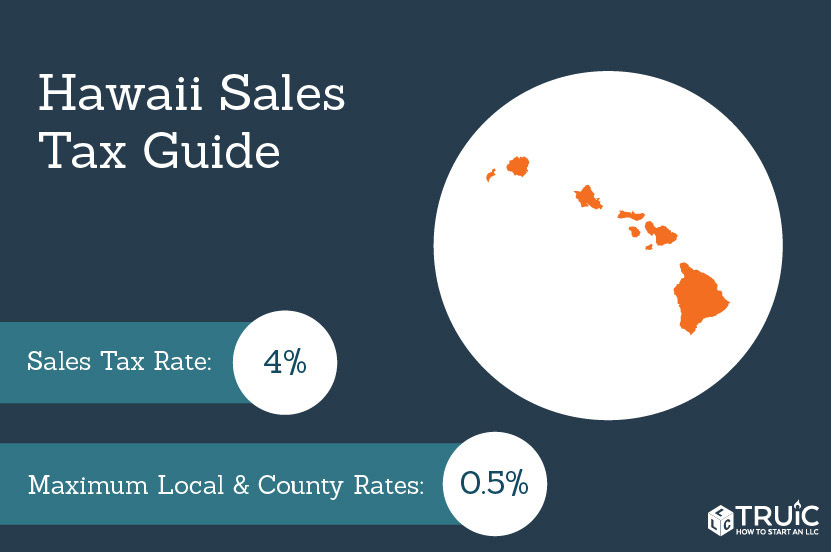
When you are purchasing souvenirs at the Ala Moana Center or grabbing a plate lunch in Honolulu, you will notice an additional percentage added to your total. While the base rate of the GET is 4%, the state allows counties to add a surcharge. Consequently, on Oahu, the total tax rate often hovers around 4.712%. This rate may vary slightly depending on the specific island you are visiting, such as Maui, Kauai, or the Big Island, as each county determines its own supplemental surcharge.
Distinguishing GET from Transient Accommodations Tax (TAT)
One common point of confusion for visitors is the interaction between the GET and the Transient Accommodations Tax (TAT). While the GET applies to almost all goods and services, the TAT is a separate levy specifically aimed at short-term lodging. If you are staying at a luxury resort like the Four Seasons Resort Maui at Wailea or a boutique hotel in Waikiki, you will likely see both the GET and the TAT itemized on your final hotel folio. Understanding that these are distinct taxes helps avoid sticker shock when checking out of your Royal Hawaiian Hotel room.
Budgeting for Taxes on Services and Goods
When you travel to Hawaii, your budget must account for the fact that nearly every transaction involves this tax structure. From the moment you pick up your rental car at Daniel K. Inouye International Airport to the final sunset dinner in Lahaina, the taxes act as a multiplier on your quoted prices.
Retail Shopping and Dining
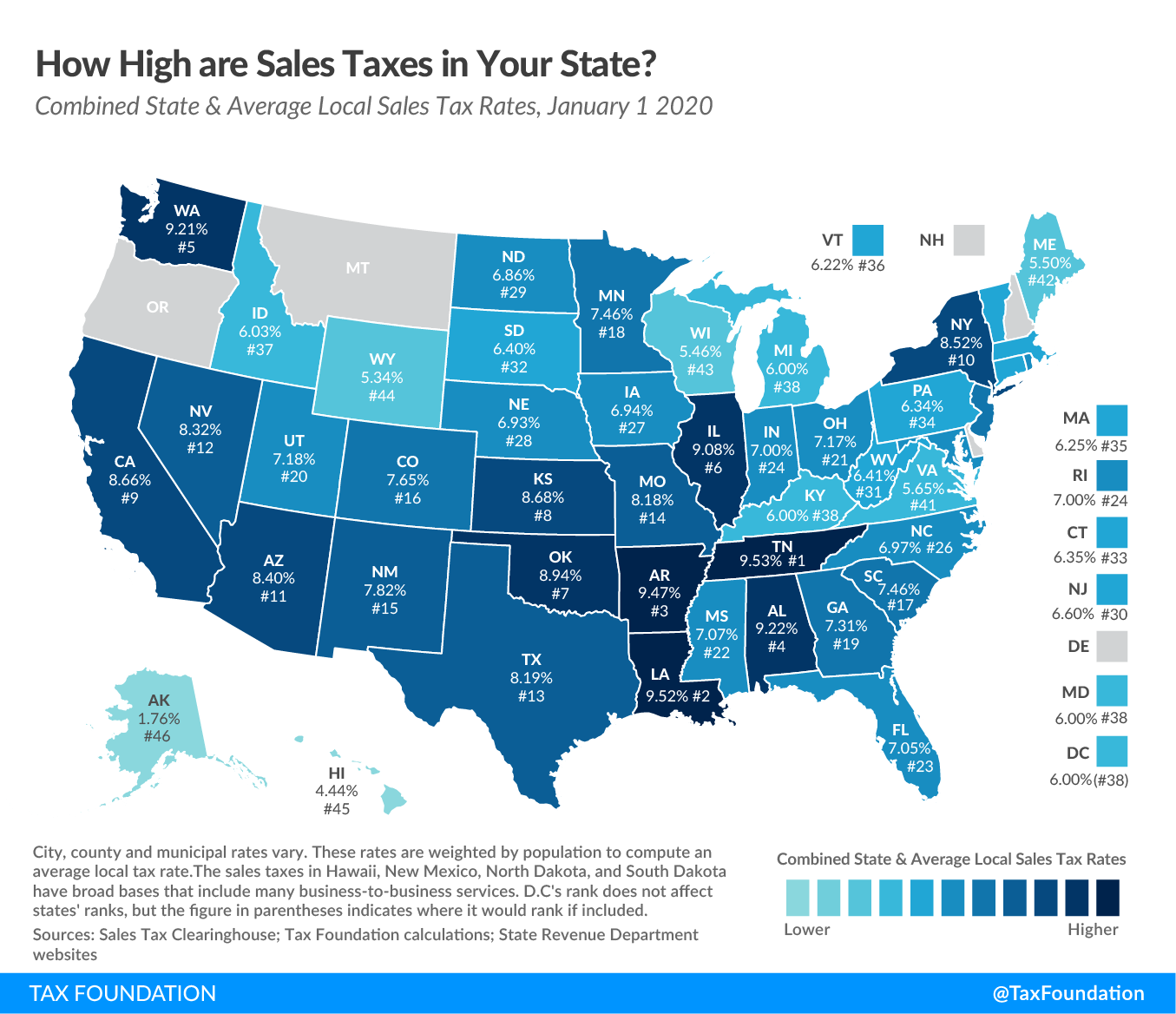
Whether you are buying a handcrafted lei or dining at a fine establishment like Mama’s Fish House, the tax is consistently applied. Because the tax is embedded in the business model, there is no “tax-free” shopping in the islands. When planning your shopping budget, it is a safe rule of thumb to add approximately 5% to the price tags of your favorite items. This ensures you aren’t surprised when the final bill is presented at the register.
Excursions and Adventure Activities
Booking activities is a major portion of a Hawaii trip. Whether you are planning a snorkeling adventure to Molokini Crater or a guided hike through Haleakala National Park, service providers are required to pay the GET on their gross income. Most reputable tour companies will include the estimated tax in their advertised prices, but it is always wise to confirm if the quoted price is “all-in” or if taxes are added at the time of booking. Transparency varies, and checking the fine print on a company’s website or calling them directly can prevent budget discrepancies.
Strategic Financial Planning for Your Hawaiian Vacation
To enjoy a stress-free trip to Kailua-Kona or the lush landscapes of Hanalei, preparation is key. By incorporating these tax considerations into your overall planning, you can focus on the memories rather than the math.
Why Price Tags Can Be Deceptive
Unlike some countries where tax is already included in the marked price, or certain states where tax is clearly defined, the Hawaii system often feels like an “add-on.” This is especially prevalent in the hospitality industry. When booking your stay at a property like the Grand Wailea, the initial nightly rate might look attractive, but once you factor in resort fees, the GET, and the TAT, the daily cost can increase significantly. Always look for the “total estimated price” or “checkout total” before finalizing any reservation online.
Tips for Tracking Expenses
- Use a Travel App: Many modern expense tracking apps allow you to input your destination and automatically estimate local tax rates. Keeping a running tab of your spending in Hilo or Lihue will help you stay within your overall budget.
- Review Your Folios: Before departing your resort, such as the Turtle Bay Resort, take a moment to look over your itemized bill. Knowing exactly what was charged—and which taxes were applied—is a standard practice for savvy travelers.
- Carry a Buffer: Budgeting an extra 10% for “unseen costs” and taxes on top of your primary vacation fund is a prudent strategy. If you don’t end up spending it, you have extra funds for an impromptu visit to Pearl Harbor National Memorial or an extra cocktail at Duke’s Waikiki.
Embracing the Local Economy
While taxes are an unavoidable part of travel, it is important to remember that these funds are vital to maintaining the infrastructure and beauty of the Hawaiian Islands. By contributing to the local tax base, visitors help support the maintenance of state parks like Waimea Canyon State Park, the preservation of cultural sites, and the general upkeep of public areas that make Hawaii such a premier global destination.
Navigating the Hawaii sales tax system is not about avoiding costs, but rather about being an informed traveler. When you understand that the 4% to 4.712% tax rate is simply part of the cost of doing business in a remote island paradise, you can better appreciate the value of your experience. Whether you are lounging on the sands of Lanikai Beach or exploring the volcanic majesty of Hawaii Volcanoes National Park, knowing that you have planned your finances properly allows for a deeper level of relaxation and enjoyment. As you traverse the islands, remember that your travel dollars are helping sustain the unique culture and environment of this spectacular Pacific treasure.
LifeOutOfTheBox is a participant in the Amazon Services LLC Associates Program, an affiliate advertising program designed to provide a means for sites to earn advertising fees by advertising and linking to Amazon.com. Amazon, the Amazon logo, AmazonSupply, and the AmazonSupply logo are trademarks of Amazon.com, Inc. or its affiliates. As an Amazon Associate we earn affiliate commissions from qualifying purchases.