
For many travelers planning a dream vacation to the breathtaking islands of Hawaii, the excitement of booking flights and securing oceanfront suites is often briefly interrupted by the complexities of state taxation. Understanding how the state levies taxes on visitors is not just a matter of financial planning; it is a fundamental aspect of navigating the costs associated with one of the most desirable travel destinations in the United States. From the moment you land at Honolulu International Airport to the final bill at your resort, tax policies play a silent but significant role in your travel budget.
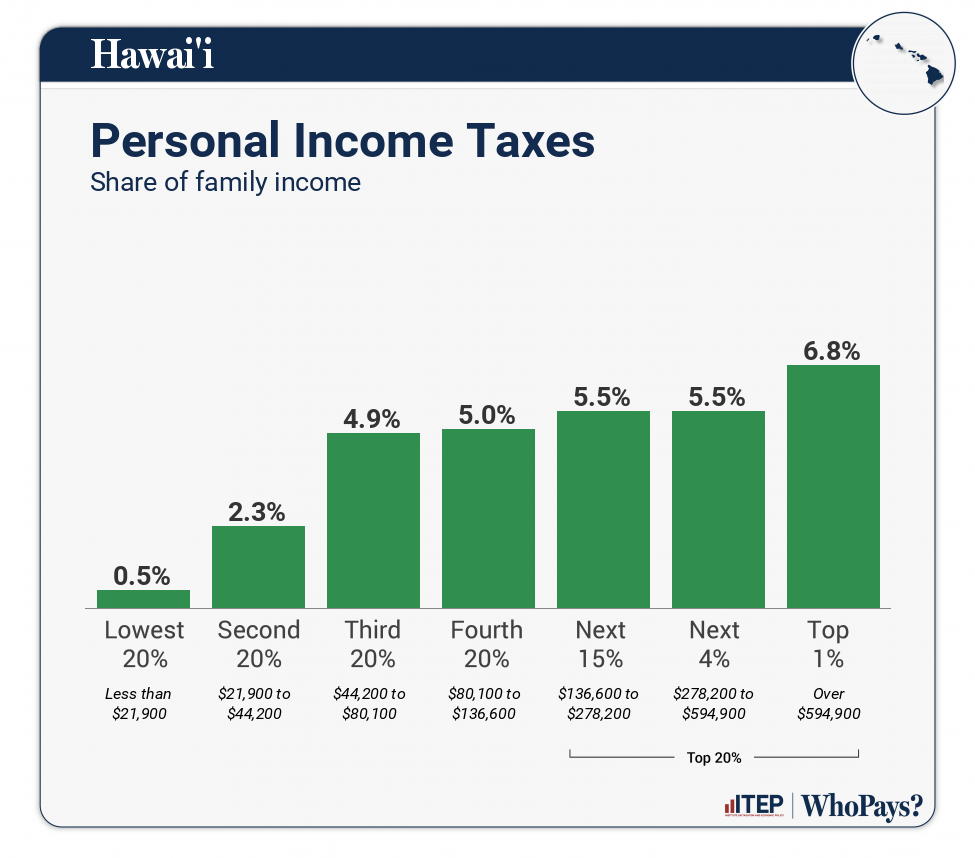
Decoding the Transient Accommodations Tax (TAT)
When you look at your receipt after checking out of a luxury property like the Halekulani Hotel or a budget-friendly unit on the Big Island, you will notice a specific line item that is unique to the visitor experience: the Transient Accommodations Tax.
What Is the Purpose of the TAT?
The Transient Accommodations Tax is a levy imposed on the furnishing of a room, apartment, suite, or similar accommodation for periods of less than 180 consecutive days. For the average tourist, this is effectively a “tourist tax” added to the nightly rate of your lodging. The funds generated by this tax are a critical component of the state’s budget, often earmarked for the Hawaii Tourism Authority, infrastructure improvements, and the maintenance of public beaches and state parks that visitors flock to see.
How It Impacts Your Final Bill
Because the TAT is a percentage-based tax, it fluctuates depending on the base price of your accommodation. Whether you are staying at the Four Seasons Resort Maui at Wailea or a cozy condo in Kailua-Kona, this tax is mandatory. It is important to remember that this fee is usually exclusive of the nightly room rate displayed on travel booking sites. When comparing prices across different platforms, ensure you are looking at the “all-in” price that accounts for both the TAT and the General Excise Tax.
The Role of the General Excise Tax (GET)
While the Transient Accommodations Tax is specific to lodging, the General Excise Tax is a much broader fiscal reality in the Pacific. Unlike a traditional sales tax, which is typically collected from the consumer at the point of sale, the GET is a tax on the business activity itself.
Why You See It Passed Along to You
In Hawaii, businesses are permitted to pass the cost of the GET on to the consumer. This is why you will see an additional percentage tacked onto your restaurant bill in Waikiki, your surfboard rental fees at North Shore, or even the souvenirs you purchase at a shop in Lahaina. It applies to almost every commercial transaction conducted within the state.
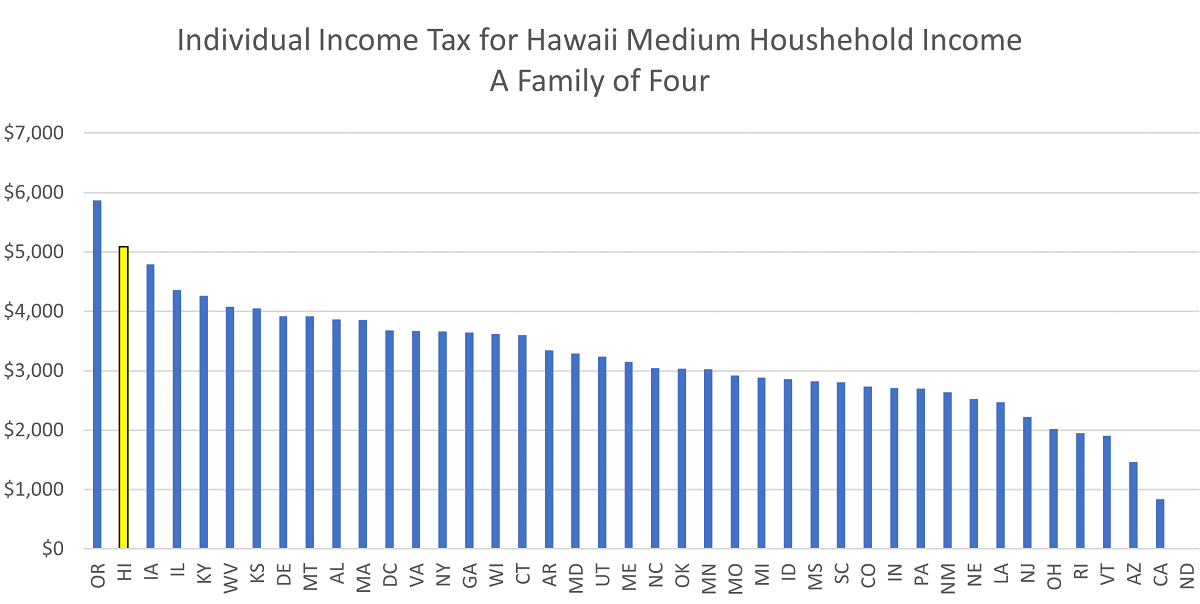
Variations by County
One of the more nuanced aspects of the GET is that it can vary depending on the county in which you are spending your money. While there is a base state-level tax, individual counties such as Honolulu County, Maui County, Hawaii County, and Kauai County may add their own surcharge on top of the state rate. This means that a dinner in Hanalei might carry a slightly different tax implication than a similar meal in Hilo, reflecting the specific local government needs of that region.
Budgeting for Taxes on Your Hawaiian Vacation
The biggest mistake travelers make is failing to account for these taxes when drafting their initial vacation budget. When you are looking at a week-long stay at a destination like Turtle Bay Resort, an extra 10% to 15% in taxes can add several hundred dollars to your total expenditure.
The “All-In” Price Calculation
To avoid surprises, use a simple formula when estimating your trip costs. If your nightly rate is $400, do not simply multiply it by the number of nights. Instead, prepare for the cumulative impact of the GET and TAT. Most savvy travelers add a 15% buffer to their estimated lodging and dining costs to cover these government levies comfortably.
Where Taxes Are Often Hidden
- Resort Fees: Often, taxes are applied not just to the room rate but also to the mandatory resort fees charged by properties such as Grand Hyatt Kauai Resort and Spa.
- Activity Bookings: If you book a helicopter tour over the Na Pali Coast or a guided excursion to Haleakala National Park, the advertised price usually does not include the GET. Always confirm if the price is “inclusive of tax.”
- Car Rentals: Renting a vehicle from Kahului Airport involves specific rental car surcharges that are taxed differently than standard goods, often leading to a higher total bill than anticipated.
Responsible Tourism and the Value of Taxes
While no traveler enjoys seeing extra charges on a bill, it is helpful to understand the philosophy behind the taxation system in Oahu and the surrounding islands. The state maintains an incredibly high standard for public infrastructure, conservation, and cultural preservation. When you pay your taxes, you are contributing to the preservation of natural wonders like Diamond Head State Monument and the continued operation of vital public services.
Transparency in Travel
The Hawaii Department of Taxation emphasizes the importance of compliance for all businesses, ensuring that funds are collected to support the local economy. For the traveler, this transparency ensures that the lush landscapes, well-kept beaches, and world-class amenities you enjoy remain viable for future generations of visitors.
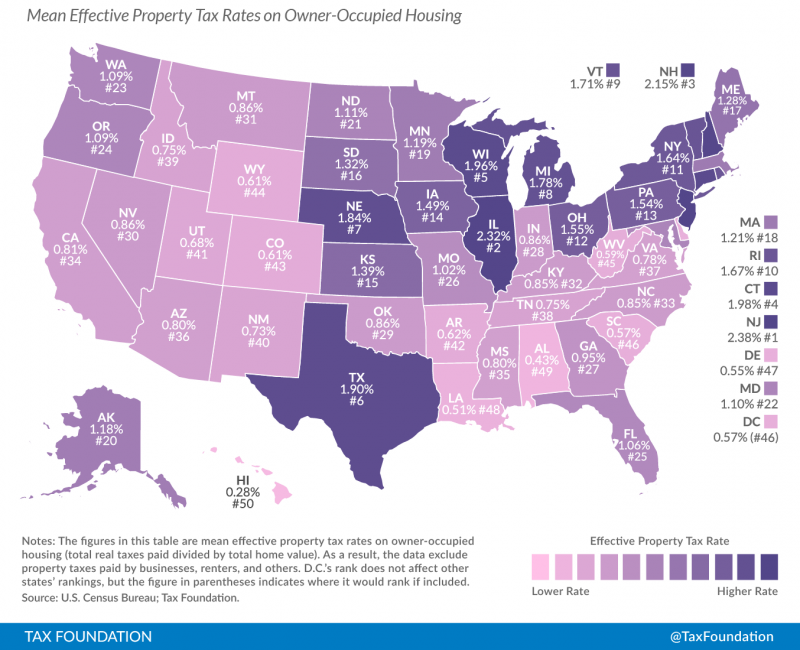
Final Tips for Financial Planning
Before you board your flight, take a few moments to review your bookings. Check that your hotel confirmation clearly states whether taxes are included. If you are using a third-party booking site, look for the “Taxes and Fees” breakdown. By being proactive and factoring these costs into your planning, you can focus on the real reason for your visit: the incomparable beauty of the Polynesian landscape, the vibrant culture of the locals, and the serenity of the Pacific Ocean. Understanding the “what” and “why” behind the taxes allows you to enjoy your vacation with peace of mind, knowing that your contribution supports the very islands that provide you with such a memorable escape.
LifeOutOfTheBox is a participant in the Amazon Services LLC Associates Program, an affiliate advertising program designed to provide a means for sites to earn advertising fees by advertising and linking to Amazon.com. Amazon, the Amazon logo, AmazonSupply, and the AmazonSupply logo are trademarks of Amazon.com, Inc. or its affiliates. As an Amazon Associate we earn affiliate commissions from qualifying purchases.