
Stepping off the plane at Daniel K. Inouye International Airport in Honolulu, visitors are immediately enveloped by the sweet, heavy scent of plumeria and the gentle warmth of the Pacific breeze. For many, this arrival marks the beginning of a profound transformation. Beyond the stunning vistas of Waikiki Beach or the rugged trails of Diamond Head, there exists a cultural depth in Hawaii that invites travelers to reconsider their identity. To ask “What is my name in Hawaii?” is not merely a query about phonetics; it is an invitation to understand how the Hawaiian language and culture rename, honor, and integrate those who visit these islands.

The Cultural Significance of Hawaiian Names
In Polynesian culture, names are never accidental. They are containers of history, genealogy, and mana—the spiritual life force that permeates every living thing. When a person is given a Hawaiian name, it often reflects their character, a significant event in their life, or the aspirations their family has for them.
The Art of Hawaianization
Many visitors are fascinated by the process of “Hawaianization,” where foreign names are adapted to fit the phonology of the Hawaiian language. Because the Hawaiian alphabet consists of only thirteen letters—five vowels (a, e, i, o, u) and eight consonants (h, k, l, m, n, p, w, and the ʻokina)—many English names undergo a melodic transformation.
For instance, the name “Robert” becomes “Lopaka,” and “Mary” transitions into “Mele.” This process is not meant to erase one’s original identity, but rather to invite that identity into the local linguistic landscape. It is a way of showing respect for the indigenous language of the United States archipelago and signaling a willingness to embrace the local perspective.
Mana and Meaning
Every Hawaiian name carries a definition. A name given to a child, or bestowed upon a visitor in a special ceremony, often serves as a lifelong reminder of one’s connection to the land, or aina. When you travel through Oahu or visit the sacred valleys of Kauai, you begin to see that even the places themselves are named for their specific traits, history, or legends. Learning your own name in the Hawaiian context is a way of participating in this tradition of storytelling.
Navigating Identity Across the Hawaiian Islands
The experience of finding your “Hawaiian name” can vary significantly depending on where you are in the islands. Whether you are exploring the Big Island or the serene shores of Maui, the local community often approaches the concept of identity with a deep sense of place.
Respectful Engagement with Local Traditions
It is important to approach the concept of being “renamed” with humility. While many visitors enjoy the novelty of having a Hawaiian version of their name, it is a gesture rooted in the spirit of Aloha. Aloha is far more than a greeting; it is a code of conduct. It signifies a reciprocal relationship between the visitor and the host culture.
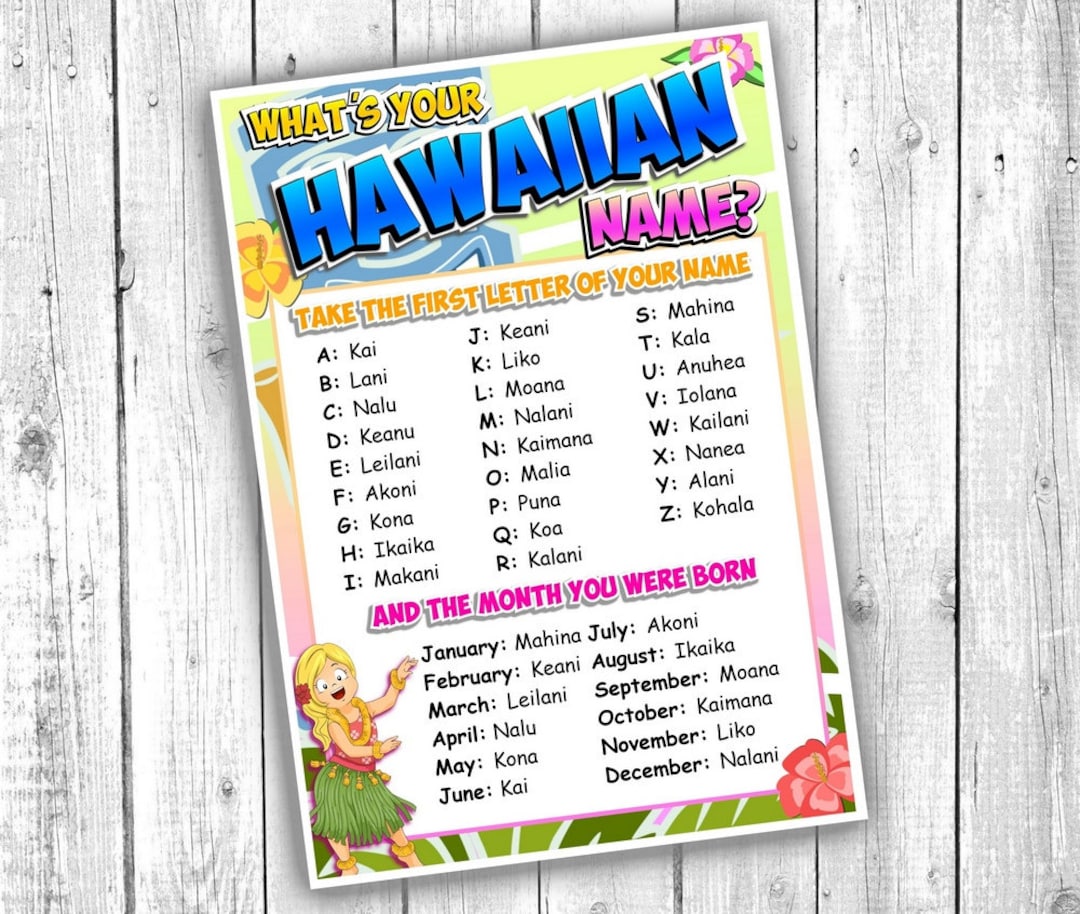
When you ask a local, “How would my name sound in your language?” you are initiating a conversation that transcends superficial tourism. It is a bridge-building exercise. You might find that your Hawaiian name highlights a trait that someone notices in you, perhaps your kindness or your affinity for the ocean, effectively linking your personality to the natural world.
The Role of Genealogy and Place
In traditional Hawaiian society, names were often tied to specific regions. A person from Hilo might have a name that references the unique rainfall of that district, whereas someone from the North Shore might have a name tied to the power of the winter swells. For visitors, adopting a name is a transient experience, but it allows for a deeper appreciation of why the locals are so fiercely protective of their geography and heritage.
Beyond the Name: Embracing the Spirit of Hawaii
Asking “What is my name in Hawaii?” is ultimately a journey of self-discovery. It challenges the visitor to step out of their everyday persona and into the rhythmic, slower pace of island life.
Finding Your “Island Self”
Travelers often report that they feel like different people when they are in Molokai or Lanai. This is not just a psychological phenomenon; it is a reaction to the environment. The silence of the remote beaches and the majesty of the volcanic peaks demand a certain level of introspection. When you strip away the stress of the mainland, your “name”—your essence—becomes clearer.
The Ethical Considerations of Cultural Adoption
While it is wonderful to embrace a Hawaiian name, there is a boundary between appreciation and appropriation. It is vital to ensure that your interest in Hawaiian language and naming customs is guided by educational intent. Engaging with local cultural practitioners, participating in authentic Luau experiences that focus on history rather than just performance, and reading the works of Hawaiian scholars are excellent ways to deepen your understanding.
By taking the time to learn the correct pronunciation—including the use of the ʻokina (a glottal stop) and the kahakō (a macron)—you demonstrate a level of care that is deeply appreciated by the Kānaka Maoli.
Conclusion: A Legacy of Reflection
As your time in the islands concludes and you prepare to return to your daily life, the question “What is my name in Hawaii?” remains relevant. It serves as a souvenir that cannot be packed in a suitcase. Whether you are walking through the Iolani Palace or observing the sunrise over Haleakala, you are part of a long history of people who have come to these islands and been transformed by them.
Your Hawaiian name is a symbol of your journey—a tether between your life at home and the spirit of the Pacific Ocean. It is a reminder that identity is fluid, and that sometimes, traveling to a new place is the perfect opportunity to see yourself through a different, clearer lens. As you carry this experience forward, remember the lessons of the islands: move with grace, treat the earth with respect, and always keep the spirit of Aloha in your heart, regardless of what name you are called.
LifeOutOfTheBox is a participant in the Amazon Services LLC Associates Program, an affiliate advertising program designed to provide a means for sites to earn advertising fees by advertising and linking to Amazon.com. Amazon, the Amazon logo, AmazonSupply, and the AmazonSupply logo are trademarks of Amazon.com, Inc. or its affiliates. As an Amazon Associate we earn affiliate commissions from qualifying purchases.