
When visitors step off the plane in Honolulu or wander through the lush valleys of Kauai, they are immediately immersed in a sensory experience unlike any other in the United States. Beyond the scent of plumeria and the rhythmic crashing of the Pacific Ocean, there is an auditory landscape defined by the melodic and soft-spoken sounds of the Hawaiian language, known as ʻŌlelo Hawaiʻi. Understanding the roots of this language is essential for any traveler looking to deepen their connection to the culture of these Pacific Islands.
The Linguistic Roots of ʻŌlelo Hawaiʻi
The native language of Hawaii is a Polynesian language that belongs to the Austronesian language family. It shares a common ancestor with other indigenous languages spoken across the vast reaches of Polynesia, including Tahiti, New Zealand, and the Marquesas Islands.

The Polynesian Migration
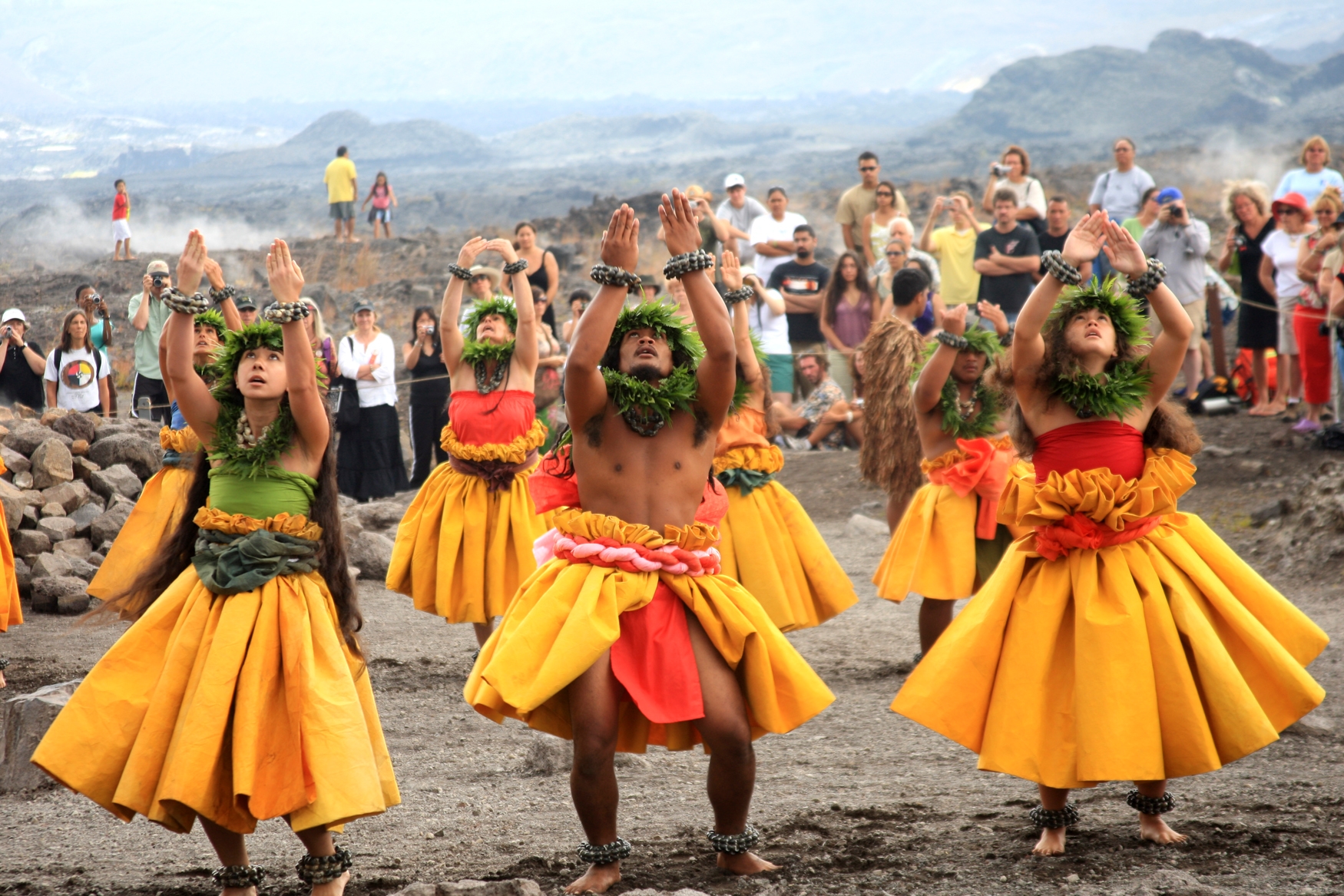
Historically, the ancestors of the modern Hawaiian people navigated the Pacific Ocean using celestial navigation and deep knowledge of ocean currents. When they arrived in the Hawaiian Islands, they brought with them a sophisticated oral tradition. Without a written script until the arrival of missionaries in the 19th century, the history, genealogy, and mythology of the Hawaiian people were preserved through mele (chants) and hula (traditional dance).
Phonetic Simplicity and Complexity
One of the most striking features of the Hawaiian language is its simplicity in phonetic structure. The alphabet consists of only 13 letters: five vowels (a, e, i, o, u) and eight consonants (h, k, l, m, n, p, w, and the okina, a glottal stop). Despite this small inventory of sounds, the language is incredibly expressive. The okina—a symbol representing a break in sound—is crucial, as it differentiates words that would otherwise be spelled the same but possess entirely different meanings. For travelers visiting sites like Mauna Kea or Haleakalā, noticing these subtle linguistic markers is a sign of respect toward the land’s heritage.
A Language Under Siege and Its Resurgence
The history of ʻŌlelo Hawaiʻi is one of profound struggle and resilience. Following the arrival of Western explorers and the subsequent colonization of the islands, the language faced an existential threat.
The Era of Suppression
In the late 19th century, following the overthrow of the Hawaiian Kingdom, the Hawaiian language was banned from being used in government and public schools. This suppression lasted for nearly a century, leading to a sharp decline in native speakers. For generations, the language was pushed into the shadows, relegated to the home and sacred ceremonies. It was a dark period for the cultural identity of Maui, Oahu, and the Big Island.
The Renaissance of the 20th Century
The 1970s marked a turning point known as the “Hawaiian Renaissance.” A movement dedicated to the revival of indigenous music, navigation, and, crucially, language began to gain momentum. Schools began establishing Pūnana Leo (language immersion preschools) to raise a new generation of fluent speakers. Today, Hawaii stands as the only state in the United States with two official languages: English and Hawaiian. Seeing street signs in Hilo or reading literature written in the indigenous tongue is a testament to the success of this cultural reclamation.
Cultural Etiquette for Travelers
As a visitor, you will encounter the Hawaiian language everywhere, from the names of local dishes to the greetings exchanged by residents. Learning a few phrases is more than just a polite gesture; it is a way to engage with the spirit of the Aloha State.
The Power of Aloha
The word Aloha is perhaps the most famous contribution of the Hawaiian language to the global lexicon. However, it is far more than a greeting. It is a philosophy, a way of living, and an expression of love, peace, and compassion. When you say “Aloha” while visiting the Bishop Museum or hiking through the Waimea Canyon, you are acknowledging the sacredness of the space and the people who call it home.
Practical Tips for Respectful Interaction
- Pronunciation Matters: Take the time to learn how to pronounce place names. If you are visiting Kailua-Kona, try to acknowledge the okina. It shows that you value the local history rather than just treating the location as a vacation spot.
- Listen More Than You Speak: In many cultural settings across Molokai or Lanai, listening to elders or local guides speak Hawaiian is an opportunity to learn about the deeper values of the culture.
- Respect Sacred Names: Many sites, such as the Iolani Palace, hold immense historical and emotional weight. When referring to these places, use their traditional names. It demonstrates an understanding that Hawaii has a history that long predates its tourism industry.
Preserving the Voice of the Islands
Today, the language remains at the heart of the community. From the chanting during a traditional luau in Lahaina to the music of contemporary Hawaiian artists, the language is experiencing a vibrant second life. It connects the younger generation to the moʻolelo (stories) of their ancestors.
Educational Advancements
Public education programs have integrated Hawaiian language curriculum into classrooms across the archipelago. Whether you are walking through the streets of Waikiki or driving the Road to Hana, you might hear local school children conversing in a language that was once nearly lost to history. This integration ensures that the native voice of Hawaii continues to evolve while remaining rooted in its ancient traditions.
The Role of Tourism in Preservation
Travelers have a unique role in this journey. By choosing to support local businesses, cultural tours, and educational centers, you contribute to an economy that values linguistic preservation. Instead of seeing Hawaii purely as a tropical playground, approach your trip as a learning expedition. Visit the Polynesian Cultural Center to see how different languages and cultures interact within the Pacific region.
Ultimately, the native language of Hawaii is the heartbeat of its people. It holds the history of the land, the wisdom of the ancestors, and the aspirations of the future. By learning even a small part of this linguistic heritage, you transition from a passive tourist to a respectful visitor, honoring the deep, enduring spirit of the islands. As you explore the beautiful landscapes—from the volcanic heights of the Hawaiʻi Volcanoes National Park to the serene shores of Hanalei Bay—let the sounds of the Hawaiian language guide your journey and provide a richer, more authentic experience of this extraordinary place.
LifeOutOfTheBox is a participant in the Amazon Services LLC Associates Program, an affiliate advertising program designed to provide a means for sites to earn advertising fees by advertising and linking to Amazon.com. Amazon, the Amazon logo, AmazonSupply, and the AmazonSupply logo are trademarks of Amazon.com, Inc. or its affiliates. As an Amazon Associate we earn affiliate commissions from qualifying purchases.