
When planning a getaway to the tropical paradise of Hawaii, most travelers focus their budget on flights, resorts, and excursions. However, understanding the local taxation system is essential for maintaining an accurate financial plan for your trip. Unlike many mainland states that utilize a traditional sales tax, the Aloha State employs a unique system known as the General Excise Tax (GET).
Understanding the General Excise Tax (GET)
The primary reason for the confusion many visitors experience is that Hawaii does not actually have a sales tax. Instead, it levies a General Excise Tax, which is a tax on the privilege of doing business in the state. This is a crucial distinction because, technically, this tax is imposed on the business entity rather than the consumer. However, because businesses are legally permitted to pass this cost on to the customer, you will almost invariably see it added to your receipts as a surcharge.
How GET Impacts Your Spending
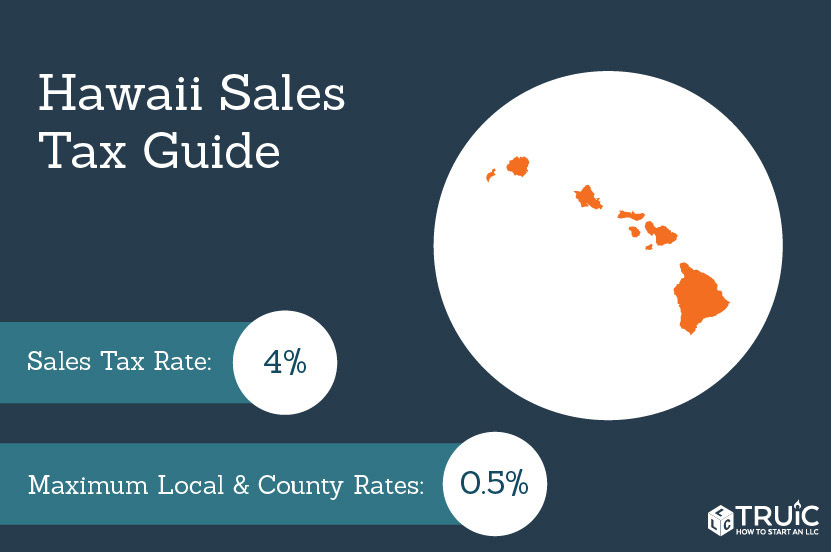
The base rate for the GET throughout the state is 4%. It is important to note that this percentage is applied to the gross income of a business. When you purchase goods or services—whether you are dining at a restaurant in Honolulu or booking a surfboard rental on Oahu—the business owner is responsible for remitting this percentage to the state government.
County Surcharge Variations
While the state-level GET is consistent, visitors should be aware of the “county surcharge.” Each county in the islands has the authority to add an additional percentage to the base rate to fund local infrastructure, such as transportation projects or public works.
- In the City and County of Honolulu, the surcharge is often higher due to the massive transit infrastructure investments currently underway.
- In counties like Maui, Hawaii County, and Kauai, the total tax burden can vary slightly based on local ordinances.
Consequently, the total “tax” you see on your bill often ranges between 4.166% and 4.712%, depending on which island you are visiting and the specific taxing jurisdiction.
Tax Implications for Tourism and Hospitality
For those visiting the islands for leisure, the GET is applied to virtually all commercial transactions. Understanding where this tax appears will help you avoid “sticker shock” when you settle your bills at the end of a vacation.
Accommodations and Lodging
When you book a room at a high-end resort such as the Four Seasons Resort Maui at Wailea or a boutique hotel in Waikiki, the tax situation is multifaceted. In addition to the standard GET, visitors are subject to the Transient Accommodations Tax (TAT). This is a specific tax levied on short-term rentals and hotel stays.
When you review your final invoice at a property like the Royal Hawaiian Hotel, you will likely see three distinct charges: the base room rate, the GET, and the TAT. The TAT rate can fluctuate based on state legislative changes, so it is always wise to inquire about the total “tax and fee” percentage before finalizing your booking.
Dining and Retail Experiences
Whether you are grabbing a quick lunch near Pearl Harbor or enjoying a fine dining experience at a restaurant in Lahaina, the GET is applied to the final bill. Because the GET is a tax on the business’s gross receipts, it is also applied to the total amount of your purchase, including service charges if they are considered part of the business income. Travelers often find that prices on menus do not include these taxes, so it is standard practice to mentally add about 4.5% to any displayed price to estimate your total out-of-pocket cost.
Tips for Managing Travel Expenses
Navigating the tax landscape of the United States archipelago requires a bit of savvy, especially when you are trying to stick to a specific vacation budget. By anticipating these costs, you can ensure your trip remains enjoyable and stress-free.
Budgeting for Hidden Costs
One of the most effective strategies is to treat the tax as an additional 5% buffer on all your planned expenditures. If you have allocated a specific amount for shopping at Ala Moana Center or for gear rentals at Hanauma Bay, adding 5% to your estimate will prevent you from exceeding your budget.
Understanding Exemptions
It is worth noting that while the GET applies to most things, certain categories are subject to different rules. For instance, some non-profit organizations or specific professional services may operate under different tax classifications. However, as a tourist, you will rarely encounter these exemptions. Almost every transaction involving a tangible good or a hospitality service will trigger the GET.
Pre-Paid Packages and Bundles
Many travelers choose to book all-inclusive packages or pre-paid tours through agencies. When you buy a bundle that includes airfare, transfers, and resort stays, the tax is typically calculated and bundled into the total quoted price. Always verify if the “total price” shown on your booking confirmation includes all local taxes and resort fees. If a company claims the price is “all-inclusive,” it should theoretically cover both the GET and the TAT. If there is ambiguity, contact the reservation desk at your chosen resort, such as the Grand Hyatt Kauai Resort and Spa, to confirm if any additional taxes will be collected upon checkout.
Historical Context and Future Trends
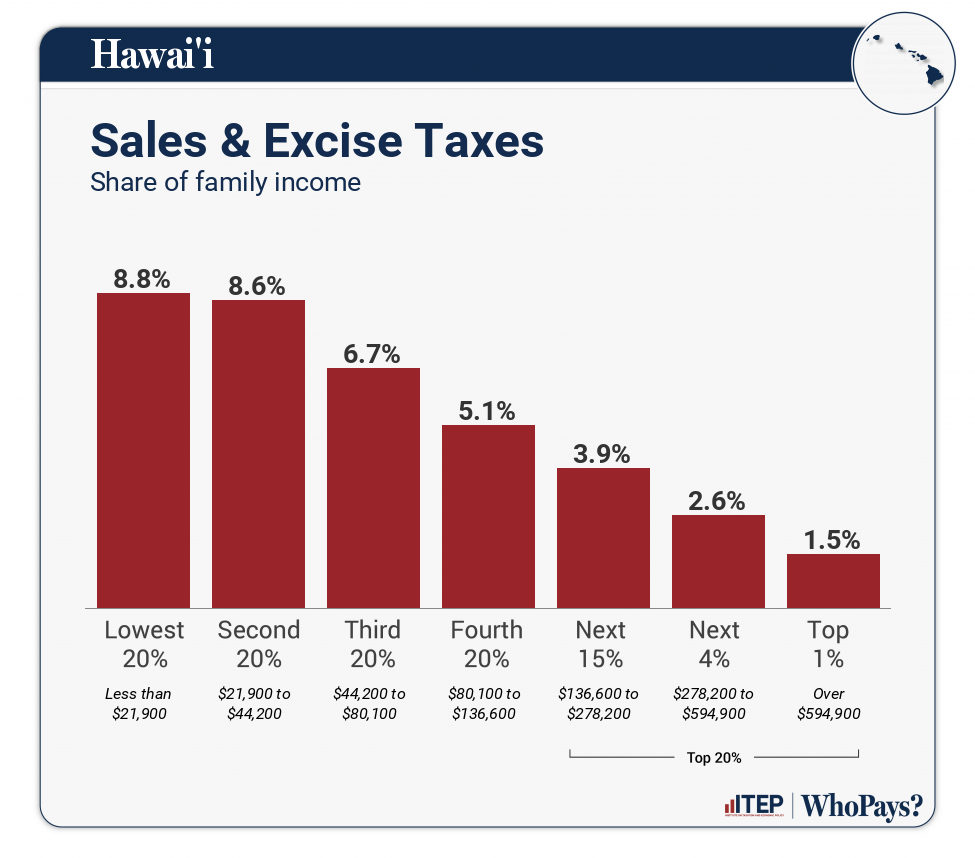
The structure of the General Excise Tax is deeply rooted in the economic history of the islands. Unlike states that rely heavily on income or property taxes, Hawaii has historically relied on the GET as a primary engine for state revenue. This system provides a broad tax base that captures revenue from both local residents and the millions of visitors who flock to attractions like Volcanoes National Park and the Na Pali Coast each year.
As the tourism industry evolves, the state government frequently reviews the TAT and GET rates to balance the needs of infrastructure development with the desire to remain a competitive destination. For the modern traveler, staying informed about these minor financial nuances is part of being a responsible and prepared tourist. By understanding that you are contributing to the upkeep of the beautiful locations you visit—from the historic Iolani Palace to the pristine sands of Lanikai Beach—you can view these taxes not as a burden, but as a small investment in the preservation of the islands.
In summary, when calculating your budget for the islands, remember the distinction between the GET and traditional sales tax. Expect a total surcharge of approximately 4.5% on most purchases, be prepared for additional TAT on your lodging, and always check your final receipts for clarity. With this knowledge in hand, you can focus on what truly matters: enjoying the breathtaking landscapes, vibrant culture, and unparalleled hospitality that define this unique Pacific destination.
LifeOutOfTheBox is a participant in the Amazon Services LLC Associates Program, an affiliate advertising program designed to provide a means for sites to earn advertising fees by advertising and linking to Amazon.com. Amazon, the Amazon logo, AmazonSupply, and the AmazonSupply logo are trademarks of Amazon.com, Inc. or its affiliates. As an Amazon Associate we earn affiliate commissions from qualifying purchases.