
The official languages of the state of Hawaii reflect a unique history of indigenous tradition, royal governance, and global intersection. While many visitors arrive expecting to hear a dialect of English, the linguistic reality of these islands is far more profound. The two official languages of the state are English and Hawaiian, known locally as ʻŌlelo Hawaiʻi. Understanding the distinction and the deep cultural significance of the indigenous tongue is essential for any traveler looking to experience the authentic spirit of the Pacific.
The Origins and History of ʻŌlelo Hawaiʻi
The Hawaiian language, or ʻŌlelo Hawaiʻi, belongs to the Malayo-Polynesian branch of the Austronesian language family. It is closely related to the languages spoken throughout Polynesia, including Tahiti, New Zealand, and the Marquesas Islands. For centuries, Hawaiian was an oral language, preserved through complex genealogical chants, storytelling, and hula.

The Impact of Western Contact
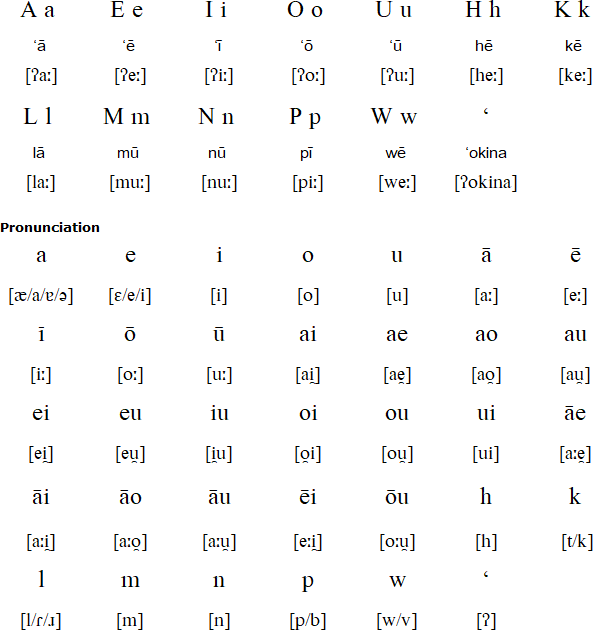
Following the arrival of Captain James Cook in 1778, the linguistic landscape of the islands began to shift. By the early 19th century, missionaries from New England arrived and worked to create a standardized written form of the language using the Latin alphabet. They condensed the language into a compact system consisting of only 12 letters: five vowels (A, E, I, O, U) and seven consonants (H, K, L, M, N, P, W). This innovation allowed for a literacy explosion among the native population, leading to the publication of several Hawaiian-language newspapers during the mid-1800s.
The Decline and Resurgence
The status of the language changed drastically following the overthrow of the Hawaiian Kingdom in 1893. In 1896, a law was passed effectively banning the use of Hawaiian in schools. For nearly a century, the language was pushed to the brink of extinction. However, the late 20th century saw a powerful movement for cultural reclamation. In 1978, the constitutional convention of Hawaii designated Hawaiian as an official state language, sparking a revival that continues to grow through immersion schools and community programs today.
Distinguishing Between Hawaiian and Hawaii Pidgin
A common point of confusion for visitors is the distinction between ʻŌlelo Hawaiʻi and Hawaii Pidgin. While the former is an indigenous Austronesian language, the latter is a creole language that developed during the plantation era of the late 19th and early 20th centuries.
The Emergence of Pidgin
As Hawaii became a global hub for the sugar and pineapple industries, laborers arrived from Japan, China, Portugal, the Philippines, and Korea. To communicate on the plantations, these workers synthesized their native languages with English and Hawaiian. Over time, this evolved into Hawaii Pidgin, a colorful, rhythmic, and highly expressive creole that is spoken by many locals as their primary language today.
Usage in Modern Life
While ʻŌlelo Hawaiʻi is used in ceremonial settings, government signage, and academic environments, Hawaii Pidgin is the language of the community. You will hear it in casual conversation, at local markets, and in the social interactions that define the daily life of island residents. Understanding the difference between these two helps travelers navigate social cues—respecting the sanctity of the native language while appreciating the relaxed, inclusive nature of local creole.
Cultural Etiquette and the Importance of Place Names
Visitors to Oahu, Maui, Kauai, and the Big Island often struggle with the pronunciation of geographic names. In Hawaiian, every letter is sounded out, and the presence of the okina (a glottal stop represented by a curly apostrophe) and the kahakō (a macron over a vowel) are critical to both meaning and pronunciation.
The Power of Words
The Hawaiian language is deeply tied to the concept of mana, or spiritual power. Words are considered to have living energy. For example, when you learn the meaning behind the name of a town, a beach, or a mountain, you gain a deeper understanding of the history and geological character of that site. For instance, Waikiki literally means “spouting water,” referring to the wetlands that once covered the area. Respecting the correct spelling and pronunciation of these names is a simple yet profound way to honor the host culture.
Practical Tips for Respectful Communication
- Listen more than you speak: When visiting cultural sites like Pearl Harbor or sacred spaces like Haleakala National Park, listen to how local guides pronounce names and phrases.
- Learn common phrases: Basic words like Aloha (love, hello, goodbye), Mahalo (thank you), and Malama (to take care of) go a long way in showing appreciation for the local lifestyle.
- Avoid over-appropriation: While it is wonderful to learn, avoid using slang or mimicking the local accent in a way that could be perceived as mockery. Authenticity is rooted in genuine interest and respect.
Preserving the Tongue for Future Generations
The survival of ʻŌlelo Hawaiʻi is not just about linguistics; it is a matter of cultural survival. Today, there are active efforts to ensure that children growing up in Honolulu or rural towns have access to education in the native tongue. The University of Hawaii system plays a pivotal role in this, offering advanced linguistic studies and supporting the preservation of traditional chants and oral histories.
The Role of Tourism
Tourism serves as a double-edged sword. While it brings outsiders into contact with the language, it also risks turning sacred terms into marketing slogans. True engagement involves seeking out businesses and cultural tours that are locally owned and committed to linguistic preservation. By patronizing venues that prioritize native language signage and cultural education, travelers contribute to the economic sustainability of the people who call Hawaii home.
A Legacy of Connection
Ultimately, the language of the islands is an invitation to connect with the land and the people. When you take the time to learn about ʻŌlelo Hawaiʻi, you are not just learning a vocabulary; you are engaging with a worldview that prioritizes balance, community, and stewardship. Whether you are walking through the streets of Lahaina or exploring the natural wonders of Volcanoes National Park, keeping the history and the heart of the Hawaiian language in mind will transform your journey from a simple vacation into a meaningful cultural encounter. Through this lens, the islands become much more than a destination; they become a vibrant, living classroom where history is spoken, sung, and lived every single day.
LifeOutOfTheBox is a participant in the Amazon Services LLC Associates Program, an affiliate advertising program designed to provide a means for sites to earn advertising fees by advertising and linking to Amazon.com. Amazon, the Amazon logo, AmazonSupply, and the AmazonSupply logo are trademarks of Amazon.com, Inc. or its affiliates. As an Amazon Associate we earn affiliate commissions from qualifying purchases.