
Planning a trip to the beautiful islands of Hawaii involves more than just selecting the perfect resort or booking a flight. One of the most common questions travelers have is how the tax structure works when purchasing goods, dining out, or paying for services. Understanding the state’s tax landscape is essential for managing your travel budget effectively, as these costs can impact your overall spending.
Understanding Hawaii’s General Excise Tax
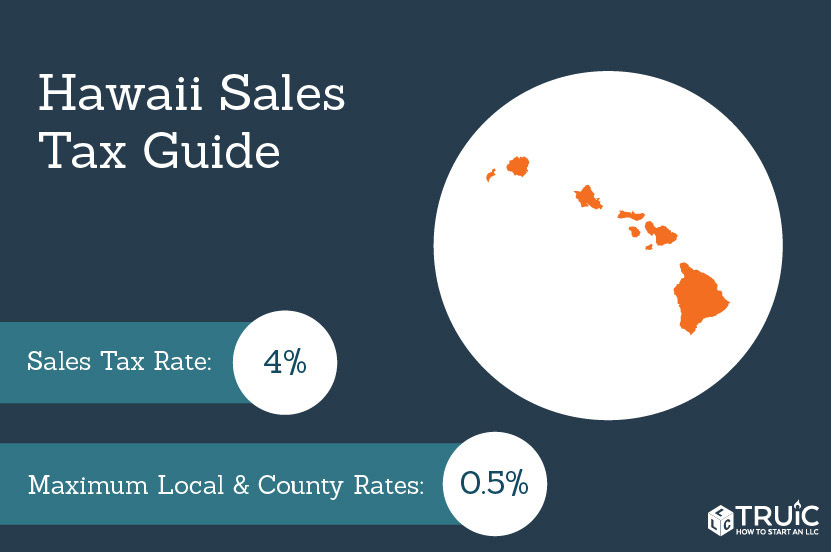
Unlike many mainland states that charge a traditional “sales tax” on retail transactions, Hawaii utilizes a unique system known as the General Excise Tax (GET). This is a critical distinction for travelers to understand because it is fundamentally different from a typical point-of-sale tax.
The Mechanism of the GET
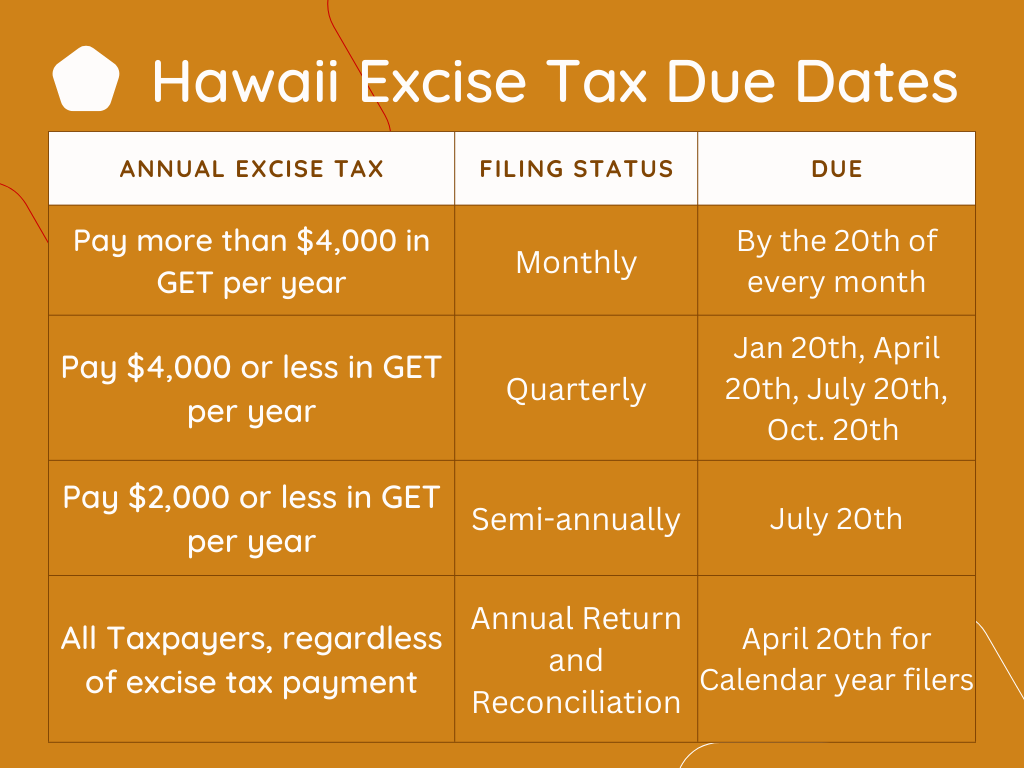
The General Excise Tax is a tax on the privilege of doing business in the state. While it appears on your receipt at restaurants, souvenir shops, and tour operators, it is technically levied on the business entity itself. Because the law permits businesses to pass this cost on to the consumer, the vast majority of merchants will add the GET to the total price of your purchase.
Current Rates and County Surcharges
The base GET rate is 4.0%, but this is only half the picture. Almost every county in Hawaii adds a “county surcharge” on top of the state rate. For instance, in Honolulu, which covers the island of Oahu, visitors will often encounter a combined rate that reaches 4.712%.
When you visit destinations like Maui or Hawaii Island, commonly referred to as the Big Island, the rates can vary slightly based on the current county-level legislative surcharges. It is helpful to anticipate that your final bill will be slightly higher than the listed shelf price across the entire state.
Tax Implications for Tourists and Travelers
For those traveling to Hawaii for leisure, the tax structure affects almost every aspect of the vacation experience. Whether you are exploring Waikiki Beach or dining at a fine establishment in Lahaina, these costs are inescapable.
Dining and Entertainment
When you sit down for a meal at a restaurant, the GET is applied to the final bill. If you are ordering cocktails or specialty dishes, remember that the tax percentage applies to the total, not just the base price. This also applies to admission fees for popular attractions. Whether you are paying for an entrance ticket to the Polynesian Cultural Center or a guided excursion to Pearl Harbor, the advertised price usually does not include the GET. Always keep a buffer in your budget for the roughly 4.5% to 4.7% tax added at checkout.
Retail Shopping and Souvenirs
If you are browsing the boutique shops at Ala Moana Center, you will notice that the tax is added at the register. Because the GET is a business tax, it is applied to almost every item, including clothing, electronics, and local gifts. Unlike some states that offer tax exemptions on certain clothing items, Hawaii is quite comprehensive in its application of the GET to retail goods.
Transportation and Tour Services
Taxis, rideshares, and guided tour operators also collect the GET. When you book a helicopter tour over the Na Pali Coast on Kauai, the final invoice will clearly display the state and county tax breakdown. Because tourism is the lifeblood of the Hawaiian Islands, these taxes play a significant role in funding local infrastructure, public services, and environmental preservation efforts.
Additional Fees and Transient Accommodations Tax (TAT)
Beyond the GET, visitors must be aware of the Transient Accommodations Tax, or TAT. This is a specific tax levied on visitors who stay in hotels, resorts, and vacation rentals. It is a major component of the hospitality industry and significantly influences the final cost of your lodging.
What is the TAT?
The Transient Accommodations Tax is applied to any short-term rental of a property or room for fewer than 180 consecutive days. This tax is distinct from the GET and is usually collected by your hotel or vacation rental platform (like Airbnb or Vrbo) at the time of booking.
How It Impacts Your Hotel Stay
If you are booking a luxury stay at the Four Seasons Resort Maui at Wailea or a room at the historic Royal Hawaiian Hotel, you will see the TAT listed separately from the room rate. The TAT rate can fluctuate based on state legislation and individual county ordinances, but it is often significantly higher than the GET. When calculating your travel costs, do not just look at the nightly room rate; always look for the “taxes and fees” line item before finalizing your reservation to avoid surprises.
The Cumulative Effect on Your Budget
When you add the GET (roughly 4.5%–4.7%) and the TAT (which can be over 10% depending on the specific location and local add-ons), the total tax burden on your accommodation can sometimes approach 15% to 18%. This is standard for high-end destinations like Kaanapali Beach or the resorts of Kapalua. Being aware of these numbers beforehand ensures you can plan for a high-quality vacation without facing unexpected financial stress.
Tips for Managing Travel Expenses in Hawaii
Managing your finances in Hawaii requires a proactive approach. By understanding the tax structure, you can better allocate your funds for experiences, dining, and shopping.
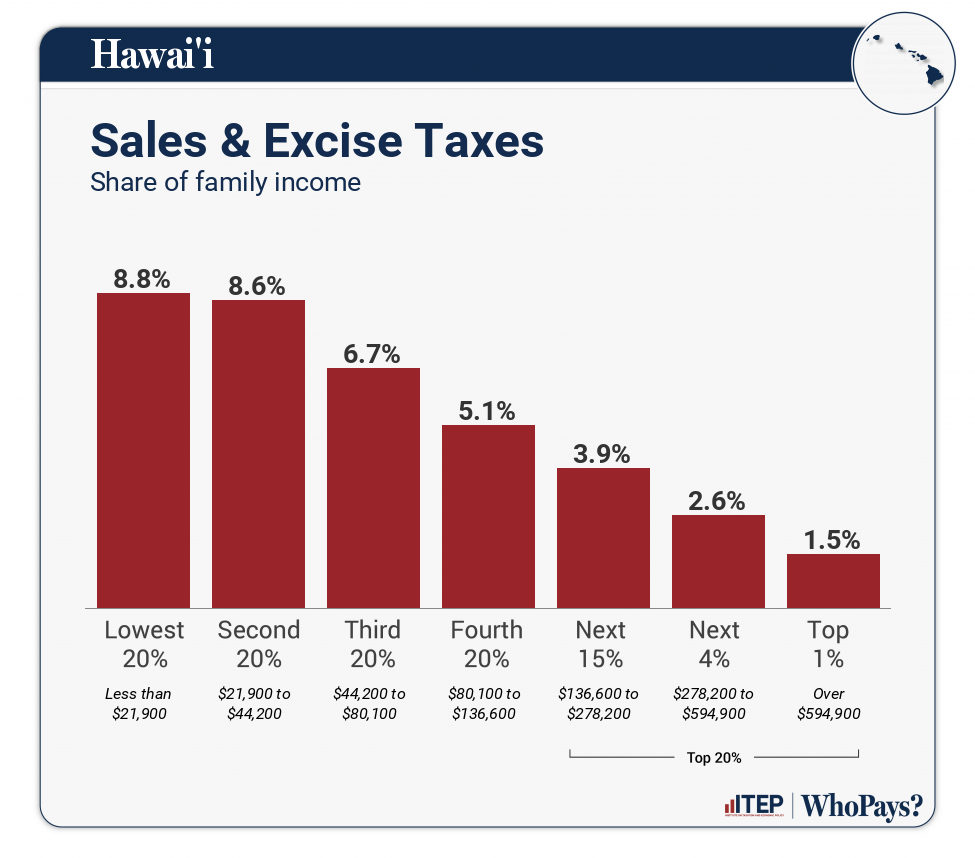
- Factor in the “Hidden” Costs: When creating your daily spending limit, add 5% to all shopping and dining estimates to account for the GET. For accommodation, add at least 15% to 20% to the base nightly rate to cover both the GET and the TAT.
- Check Your Receipts: While errors are rare, it is always a good practice to glance at your receipts. If you are staying at a place like the Turtle Bay Resort, the invoice will clearly delineate these taxes.
- Book Direct or Use Reputable Sites: When booking activities or lodging, using verified platforms or direct websites ensures that the taxes are calculated correctly according to the local jurisdiction of that island. This is particularly important when traveling between islands, as the county surcharges may differ slightly between Maui County and the City and County of Honolulu.
- Prioritize Value Over Cost: While taxes are unavoidable, Hawaii offers countless free experiences, such as hiking through Haleakala National Park or visiting public beaches like Lanikai Beach. These activities allow you to enjoy the stunning natural beauty of the archipelago without the additional tax overhead of tours and ticketed attractions.
By approaching your trip with a clear understanding of the General Excise Tax and the Transient Accommodations Tax, you can focus on what truly matters: soaking in the culture, relaxing by the ocean, and exploring the majestic landscapes of the Pacific Ocean. Preparation is the key to a stress-free Hawaiian vacation, allowing you to enjoy everything from the culinary delights of Downtown Honolulu to the serene atmosphere of Hanalei Bay without financial uncertainty.
LifeOutOfTheBox is a participant in the Amazon Services LLC Associates Program, an affiliate advertising program designed to provide a means for sites to earn advertising fees by advertising and linking to Amazon.com. Amazon, the Amazon logo, AmazonSupply, and the AmazonSupply logo are trademarks of Amazon.com, Inc. or its affiliates. As an Amazon Associate we earn affiliate commissions from qualifying purchases.