
When travelers imagine the iconic landscape of Hawaii, their minds often drift to the pristine, white-sand beaches of Waikiki or the lush, emerald cliffs of Kauai. Yet, rising above the clouds and piercing the Pacific sky is a geological titan that defines the very essence of the archipelago. If you are wondering what the tallest mountain in Hawaii is, the answer requires looking beyond mere sea-level elevation: it is the majestic Mauna Kea.
The Geological Marvel of Mauna Kea
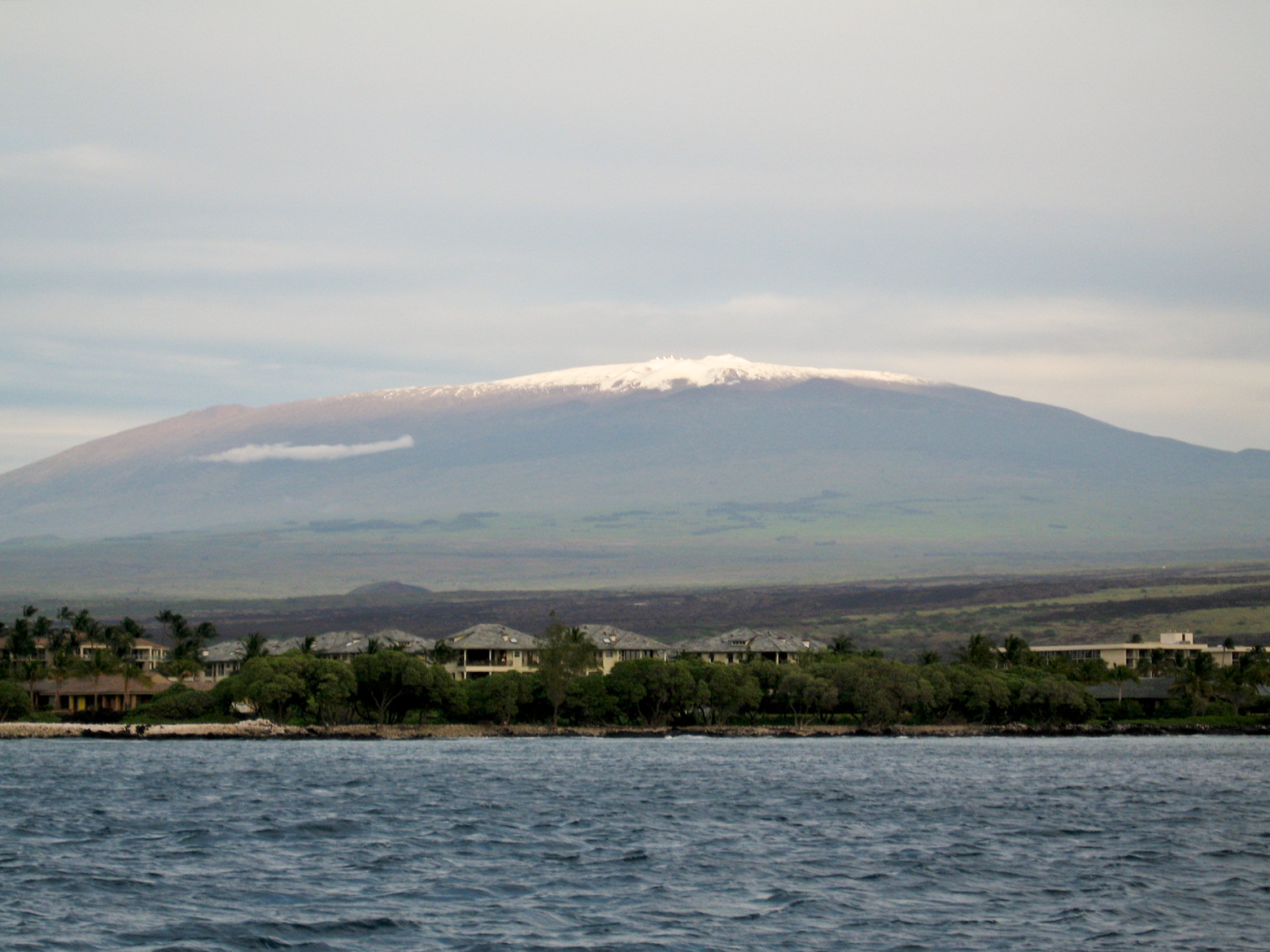
While many visitors flock to the Big Island to witness the active lava flows of Hawaii Volcanoes National Park, Mauna Kea stands as a dormant sentinel, offering a starkly different, ancient perspective on island formation. Standing at 13,803 feet above sea level, it is technically the highest point in the state. However, its true scale is hidden beneath the sapphire depths of the Pacific Ocean.
Measuring from the Ocean Floor
If you were to measure from its base on the ocean floor to its windswept summit, Mauna Kea would stretch approximately 33,500 feet tall. This makes it taller than Mount Everest, the highest mountain on land. Because the mountain’s base sits on the Pacific Plate, it is a testament to the colossal forces of volcanism that created the Hawaiian Islands.
A Dormant Shield Volcano
Unlike its neighbor, Mauna Loa, which is frequently active and characterized by its massive, gently sloping shield, Mauna Kea has been dormant for thousands of years. This dormancy has allowed for the development of unique, high-altitude ecosystems and has made the mountain an unparalleled location for scientific observation. The name itself translates to “White Mountain” in the Hawaiian language, a nod to the winter snow that occasionally dusts its peak.
Astronomy and the Summit Ecosystem
The summit of Mauna Kea is not just a geological wonder; it is one of the most significant astronomical sites in the world. Due to its extreme altitude, the dry air, and the lack of light pollution found in more densely populated areas like Honolulu, the mountain offers near-perfect atmospheric clarity.
The Mauna Kea Observatories
The Mauna Kea Observatories house some of the world’s most powerful telescopes. Researchers from across the globe gather here to peer into the furthest reaches of the universe. The site is home to the W. M. Keck Observatory, which features two massive telescopes that have changed our fundamental understanding of galaxies, black holes, and planetary formation.

High-Altitude Challenges
Visiting the summit is a journey that requires careful preparation. The rapid ascent from the coastal town of Hilo to the nearly 14,000-foot summit can cause altitude sickness, even in healthy individuals. It is standard practice for visitors to stop at the Onizuka Center for International Astronomy, situated at 9,200 feet, to acclimatize. This station serves as a gateway, offering visitors a glimpse into the research being conducted and a safe place to adjust to the thinning oxygen levels before proceeding to the peak.
Cultural Significance and Stewardship
For the Native Hawaiian people, Mauna Kea is far more than a peak or a site for science. It is a sacred place of profound spiritual importance, deeply woven into the creation stories and cosmology of the archipelago.
A Sacred Landscape
In traditional belief, the summit is considered the realm of the gods and the meeting place of Wakea—the sky father—and Papa—the earth mother. The mountain is home to numerous shrines and burial sites that date back centuries. For many, the summit is not merely an attraction for tourists, but a living ancestor that demands reverence and careful stewardship.
Balancing Science and Tradition
The presence of international observatories on such a sacred site has sparked decades of intense debate and dialogue. Efforts to protect the environmental integrity of the mountain—such as preserving the habitat of the endemic Palila bird and the unique “Wēkiu” bug—are now central to the management of the land. Today, visitors are encouraged to approach Mauna Kea with a spirit of humility and respect, recognizing that they are walking on ground that is both geologically unique and culturally priceless.
Planning Your Journey to the Summit
For the adventurous traveler, standing at the summit of Mauna Kea is a highlight of any trip to the United States. However, the journey requires more than just a camera and good intentions.
Practical Tips for Visitors
- Four-Wheel Drive: While the road to the Visitor Information Station is paved, the road to the actual summit is steep, winding, and composed of gravel. It is strongly recommended—and often required by rental agencies—to use a 4×4 vehicle.
- Dress for Winter: It is a common misconception that because Hawaii is a tropical destination, the summit will be warm. Temperatures at the top frequently drop below freezing, and the wind chill can be biting. Layers, including a heavy coat, gloves, and sturdy boots, are essential.
- Safety First: If you are planning to travel from Kailua-Kona or other coastal areas, be mindful of the time. The transition from sea level to high altitude in a single afternoon can be physically taxing. Stay hydrated, avoid alcohol prior to the ascent, and listen to your body.
- Respect the Rules: Stay on designated paths. The summit environment is extremely fragile, and any off-trail exploration can damage delicate volcanic soil and rare alpine flora.

Beyond the Peak
After descending from the mountain, the Big Island offers an endless array of rewards. From the verdant Waipio Valley to the black sand beaches of Punaluu, the geography remains as diverse as it is beautiful. Whether you are observing the stars from the world’s most advanced telescopes or simply watching the sunset from the Saddle Road, Mauna Kea provides an anchor for the soul, reminding every traveler of the raw, untamed power of the natural world.
As you conclude your research on the highest peaks of the islands, remember that while mountains change over geological time through erosion and tectonic shift, the legacy of the Pacific giants remains etched into the horizon. Mauna Kea stands as the silent guardian of the Hawaiian Islands, an immutable landmark that invites us to look upward, reach further, and appreciate the incredible scale of the earth beneath our feet.
LifeOutOfTheBox is a participant in the Amazon Services LLC Associates Program, an affiliate advertising program designed to provide a means for sites to earn advertising fees by advertising and linking to Amazon.com. Amazon, the Amazon logo, AmazonSupply, and the AmazonSupply logo are trademarks of Amazon.com, Inc. or its affiliates. As an Amazon Associate we earn affiliate commissions from qualifying purchases.