
Planning a trip from the Lone Star State to the Pacific paradise requires more than just packing swimsuits and sunscreen; it requires a mental recalibration of your internal clock. As you transition from the vast plains of Texas to the volcanic landscapes of Hawaii, you will encounter a significant time shift that can impact everything from your jet lag recovery to your dinner reservations. Understanding this temporal shift is essential for any traveler looking to make the most of their tropical escape.
The Temporal Divide: Understanding the Time Zones
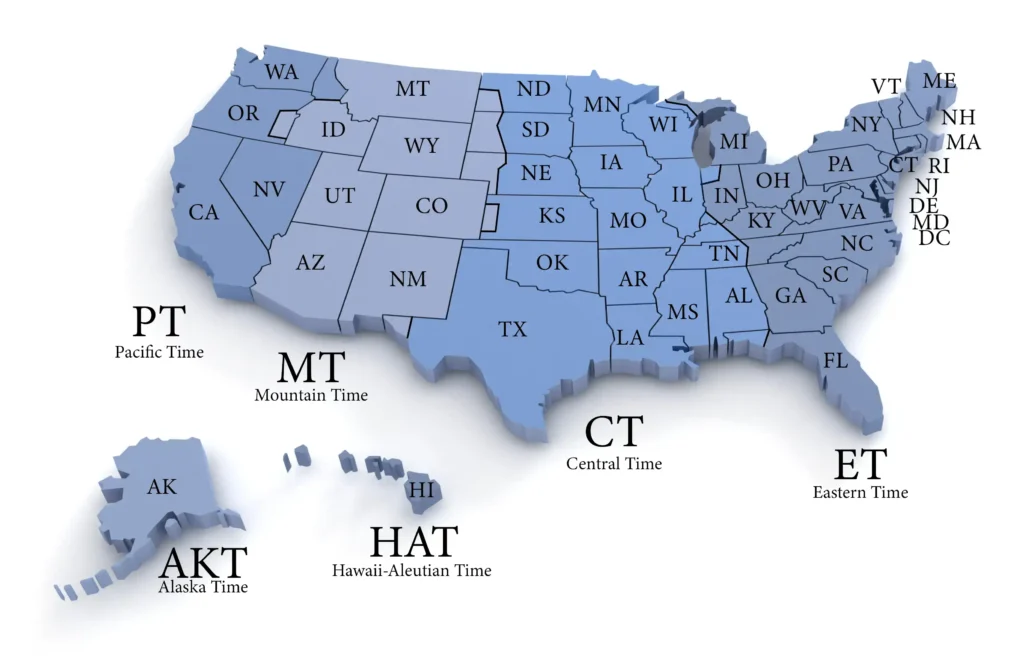
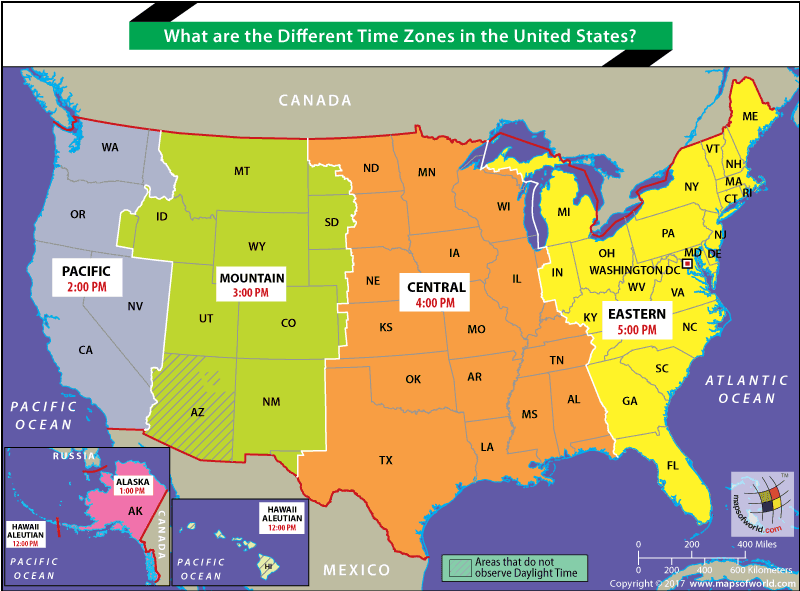
To navigate the distance between these two iconic United States destinations, one must first understand the underlying geography of time. The vast majority of Texas operates on Central Standard Time (CST) or Central Daylight Time (CDT), depending on the time of year. Conversely, Hawaii functions exclusively on Hawaii-Aleutian Standard Time (HST) throughout the entire calendar year.
The Impact of Daylight Saving Time
The primary complexity in calculating the time difference between these two locations stems from the presence—or absence—of Daylight Saving Time. Texas, like most of the continental United States, observes Daylight Saving Time, shifting clocks forward in the spring and back in the autumn.
Hawaii, due to its proximity to the equator, experiences relatively consistent daylight hours throughout the year. As a result, the Aloha State has opted out of the Daylight Saving Time program entirely. This creates a fluctuating time gap:
- During the months when Texas observes Daylight Saving Time (typically mid-March through early November), Hawaii is five hours behind.
- During the winter months when Texas returns to Standard Time, the difference shrinks to four hours.
Managing the Transition: Travel Tips for Time Zone Changes
Traveling west is often considered easier on the body than traveling east, but crossing five time zones still requires a strategic approach. When departing from hubs like Dallas, Houston, or Austin, you are essentially gifting yourself a longer day. Upon arrival in Honolulu or Maui, you may feel an initial burst of energy, but the real challenge often manifests in the early morning hours of the following days.
Strategies for Minimizing Jet Lag
To hit the ground running, whether you are heading to the world-renowned Waikiki Beach or seeking the tranquility of the Big Island, consider these proven techniques:
- Adjust Before You Fly: Begin shifting your sleep schedule by an hour each night for the three days leading up to your departure from Texas.
- Hydration is Key: Airplane cabins are notoriously dry. Dehydration exacerbates the symptoms of jet lag, so prioritize water consumption over caffeinated or alcoholic beverages during your flight to Kona or Kahului.
- Embrace the Local Sun: Exposure to natural sunlight is the most powerful tool for resetting your circadian rhythm. Once you land, spend your first day outdoors, perhaps exploring the Haleakala National Park or walking through the lush streets of Lahaina.
- Resist the Midday Nap: While the temptation to sleep after a long flight from San Antonio is strong, try to stay awake until a reasonable local bedtime. This helps your body align with the Hawaii clock much faster.
Optimizing Your Itinerary Based on the Time Shift
When you are thousands of miles away from home, timing is everything. Whether you are scheduling a snorkeling excursion at Molokini Crater or booking a table at an upscale restaurant, knowing the exact time difference ensures your plans remain seamless.
Communication with Home
Because Texas is several hours ahead, communication with friends and family back home requires a bit of foresight. If you are waking up for a sunrise breakfast in Kailua-Kona at 7:00 AM, it is already noon in Houston. Conversely, when you are winding down for a sunset stroll along Poipu Beach at 7:00 PM, your contacts in Texas are likely preparing for midnight. Setting clear expectations for when you will be available for phone calls or video chats will prevent you from being tethered to your device while trying to enjoy the natural beauty of Kauai or Oahu.
Scheduling Activities
Many travelers find that the first two mornings in Hawaii are the best times to tackle early-bird activities. Since your body is still on Texas time, you will likely wake up naturally at dawn. Use this to your advantage by hitting popular sites like Pearl Harbor or Diamond Head before the mid-morning tourist crowds arrive. By the time the afternoon heat hits, you will have already experienced the best of the island’s offerings, leaving you time to relax by the pool or enjoy a leisurely lunch at a local cafe in Hilo.

The Psychological Benefit of the Time Difference
There is a distinct psychological shift that occurs when one travels from the high-energy, fast-paced environment of Texas to the “Island Time” mindset of Hawaii. The four-to-five-hour difference acts as a physical buffer, forcing you to disconnect from the frantic pace of the continental United States.
When you lose hours in transit, you are not just crossing time zones; you are leaving behind the professional deadlines and social expectations of the mainland. This temporal displacement is a hidden benefit of your vacation. It provides an excuse to silence your notifications and surrender to the natural rhythm of the ocean and the trade winds. Whether you are visiting North Shore for the legendary surfing or exploring the serene rainforests near Hana, the time difference serves as an immediate mental signal that your responsibilities are currently irrelevant.
Ultimately, the adjustment period is brief, and the reward is substantial. While you may spend the first forty-eight hours feeling slightly out of sync, you will quickly find that the change is exactly what is needed to transition into the restorative atmosphere of the islands. By preparing for the time difference, managing your light exposure, and embracing the unique schedule of Hawaii, you can ensure that your transition from the heart of Texas to the middle of the Pacific is as smooth as the gentle surf of Waikiki. Plan your travel, set your watch, and prepare to immerse yourself in a destination where the most important thing to keep track of is not the time, but the experience.
LifeOutOfTheBox is a participant in the Amazon Services LLC Associates Program, an affiliate advertising program designed to provide a means for sites to earn advertising fees by advertising and linking to Amazon.com. Amazon, the Amazon logo, AmazonSupply, and the AmazonSupply logo are trademarks of Amazon.com, Inc. or its affiliates. As an Amazon Associate we earn affiliate commissions from qualifying purchases.