
For travelers planning a dream getaway to the Pacific, understanding the aquatic conditions is essential for maximizing the island experience. Whether you are a professional surfer looking for the next big break on Oahu, a family planning a relaxing afternoon at Waikiki Beach, or a snorkeler eager to explore the vibrant reefs of Maui, the water temperature in Hawaii is a crucial factor. Fortunately, the islands offer some of the most consistent and inviting ocean temperatures in the world, making it a premier year-round destination for water-based activities.
Seasonal Fluctuations and Yearly Averages
One of the greatest advantages of vacationing in Hawaii is the lack of extreme temperature variations in the ocean. Unlike many other global beach destinations that suffer from cold “off-seasons,” the Hawaiian archipelago enjoys a relatively stable climate due to its mid-Pacific location and the surrounding tropical currents.

Winter Ocean Conditions
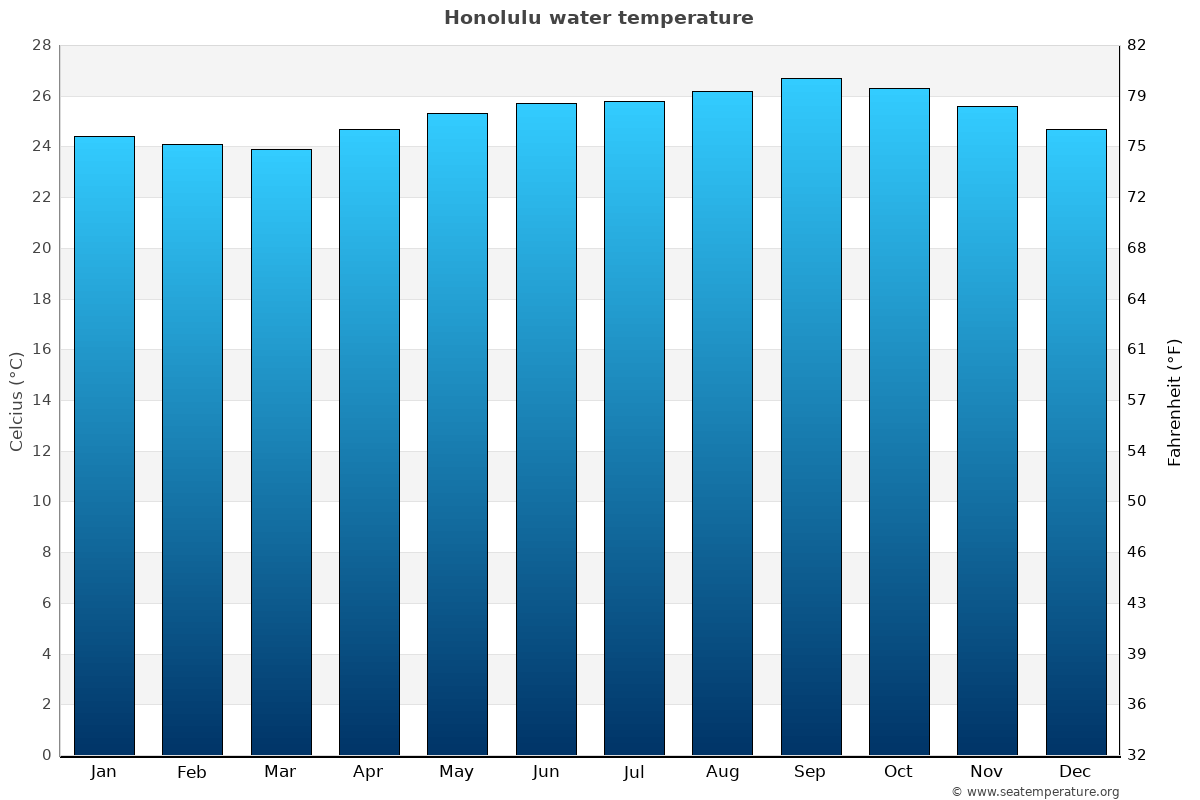
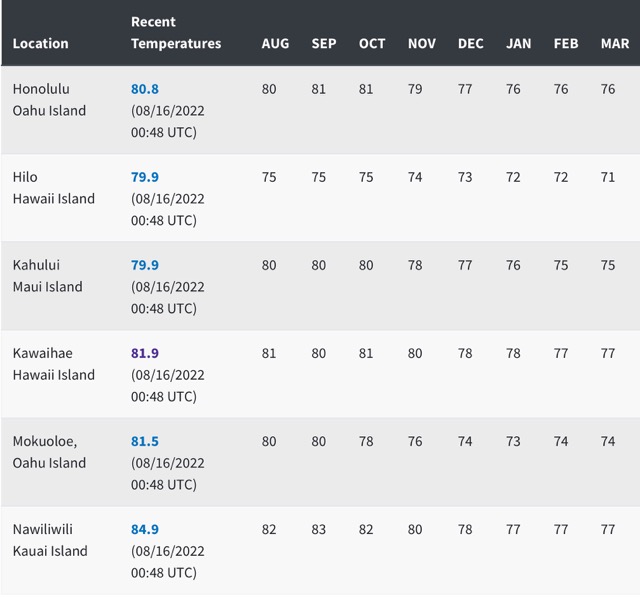
During the cooler months, generally spanning from January through March, the water temperature typically dips to its lowest point of the year. Visitors can expect readings to hover between 74°F and 76°F (23°C to 24°C). While this may feel slightly refreshing upon initial entry, it is arguably the most comfortable temperature for those engaging in high-intensity activities like surfing at Banzai Pipeline. Even in winter, the water remains warm enough for extended periods of swimming without the need for a thick wetsuit.
Summer Warmth
As the islands move into the summer months, particularly from August to October, the Pacific waters warm up significantly. It is common to see temperatures rise into the 80°F to 82°F (27°C to 28°C) range. This “bath-like” warmth is perfect for long afternoons of stand-up paddleboarding in Kailua-Kona or drifting through the gentle lagoons found along the shores of Kauai. During these months, many visitors find that they can spend hours in the ocean without ever feeling a chill, making it the ideal time for families with young children who might be sensitive to cooler temperatures.
Regional Variations Across the Islands
While the archipelago shares a general climate, local conditions can vary based on geography, ocean floor topography, and proximity to freshwater runoff. It is helpful to consider which island you are visiting to manage your expectations for water clarity and thermal comfort.
The Big Island Experience
Because the Big Island is geologically young and features significant underwater volcanic topography, the water temperature can be influenced by deep-sea upwellings. On the western Kona side, protected from strong trade winds, the water remains calm and consistently warm. However, if you venture toward the northern or eastern shores, you may encounter slightly cooler pockets. Many snorkelers heading out to Kealakekua Bay find the water temperature to be exceptionally consistent, providing a comfortable environment for observing the abundant marine life, including spinner dolphins and sea turtles.
The Shallow Waters of Oahu and Maui
Islands with shallower coastal shelves, such as Oahu and Maui, tend to heat up more quickly in the sun. In protected bays like Hanauma Bay, the water is often a degree or two warmer than the open ocean due to the enclosed nature of the reef. This makes Hanauma Bay a favorite for tourists who prefer a warmer, pool-like sensation while snorkeling. Conversely, areas prone to strong currents and deep-water drop-offs may feel cooler as the ocean naturally cycles through colder layers.
Safety and Comfort Tips for Water Enthusiasts
Understanding the water temperature is only one piece of the puzzle. To ensure a safe and enjoyable experience in the Hawaiian Pacific, consider these professional recommendations for your aquatic adventures.
Wetsuits and Rash Guards
For the majority of visitors, a swimsuit is all that is required for a day at the beach. However, if you are planning to spend extended periods in the water—such as a morning of scuba diving near Molokini Crater—a thin, 1mm or 2mm neoprene top or a full shorty wetsuit is highly recommended. Not only do these garments provide a layer of thermal protection, but they also serve as a barrier against the sun’s harsh UV rays, which are significantly amplified when reflected off the water surface.
Recognizing Cold Stress
While Hawaii is warm, “cold stress” can still occur if you are not prepared. This happens when a person spends too much time in the water without adequate movement. If you find yourself shivering or noticing your lips turning a slight blue tint, exit the water immediately. Warm up by lying on the sun-baked sands of Lanikai Beach or wrapping yourself in a dry towel. It is also important to stay hydrated, as the sensation of being in the water can mask the fact that you are losing fluids through sweat, especially during high-noon heat.
Seasonal Hazards and Awareness
Be aware that winter months bring higher surf conditions to the North Shores of the islands. While the water temperature remains pleasant, the currents become stronger and the waves more formidable. Always check local surf reports before entering the water, especially if you are visiting remote beaches like those found in Molokai or the northern coast of Kauai. Safety should always supersede the desire to swim, regardless of how inviting the temperature feels.
Planning Your Trip Based on Aquatic Preferences
If you are a traveler who prefers warmer water, your timing should reflect this. If your primary goal is to enjoy the ocean for hours at a time, aim for a trip between July and October. During these months, the Pacific is at its most inviting, and the likelihood of experiencing any discomfort from cooler temperatures is essentially zero.
For those who are more interested in surfing or watching the professional competitions, visiting during the winter months of November through February is a must. While you may need a thin wetsuit for longer sessions, you will be rewarded with the most spectacular ocean views and the energy of world-class surf.
Regardless of when you choose to visit, Hawaii offers a rare combination of consistent beauty and manageable conditions. By acknowledging the seasonal nuances and choosing your beach locations wisely, you can tailor your itinerary to match your personal comfort levels. Whether you are exploring the volcanic shores of the Big Island or lounging at a high-end resort on Maui, the Pacific Ocean will be waiting with open, temperate arms, inviting you to dive in and experience the natural wonders that make these islands a global treasure.
LifeOutOfTheBox is a participant in the Amazon Services LLC Associates Program, an affiliate advertising program designed to provide a means for sites to earn advertising fees by advertising and linking to Amazon.com. Amazon, the Amazon logo, AmazonSupply, and the AmazonSupply logo are trademarks of Amazon.com, Inc. or its affiliates. As an Amazon Associate we earn affiliate commissions from qualifying purchases.