
When planning a trip to Honolulu, the capital city of Hawaii, understanding the climate is essential for ensuring your vacation goes smoothly. Known for its perpetual “endless summer,” this tropical paradise offers visitors consistent warmth, gentle trade winds, and the occasional refreshing rain shower. Whether you are coming to surf the iconic waves at Waikiki Beach or to explore the historical significance of Pearl Harbor, the weather is almost always favorable. However, knowing the nuances of the seasons can help you pack smarter and choose the right time for your dream island getaway.
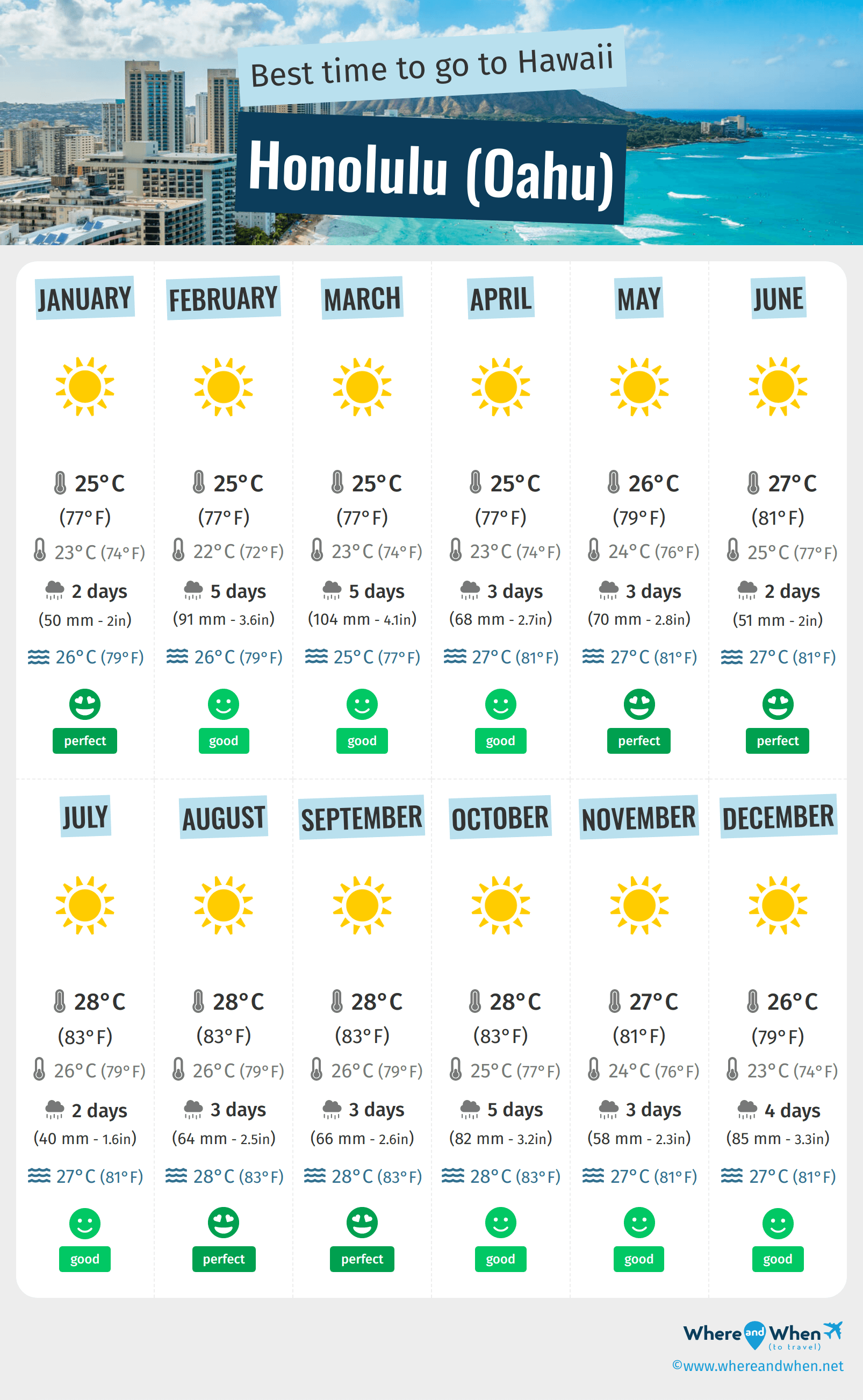
The Tropical Climate of Oahu
Oahu enjoys a tropical savanna climate, which means it stays warm to hot throughout the year. Unlike continental regions that experience drastic shifts between four distinct seasons, the islands experience two main periods: the warmer, drier months (kau) and the cooler, wetter months (hooilo).
Temperature Consistency
One of the most appealing aspects of Honolulu is its lack of extreme temperature fluctuations. Average daily highs range from the upper 70s°F (25°C) in the winter months to the high 80s°F (30°C) during the peak of summer. Evenings are rarely chilly, usually hovering around 65°F to 70°F (18°C–21°C). This stability makes the city a year-round destination for travelers looking to escape harsh winters elsewhere.
The Influence of Trade Winds
The primary reason Hawaii remains comfortable despite the high humidity is the presence of consistent trade winds. These northeast winds blow steadily, providing a natural cooling effect that makes the heat feel far less oppressive. These breezes are responsible for keeping the air quality clean and the humidity levels manageable, which is a major factor for those engaging in outdoor activities like hiking up Diamond Head.
Seasonal Variations: What to Expect
While you can expect sunshine regardless of the month, the rainfall patterns and ocean conditions change throughout the year. Understanding these differences allows you to tailor your itinerary to the weather, especially if you plan on visiting landmarks like Iolani Palace or taking a trip to the North Shore.
Summer: The Dry Season (May through October)
During the summer months, the rainfall is minimal and the air is noticeably warmer. This is the ideal time for those who want to spend the maximum amount of time in the water. The trade winds can sometimes die down during this period, which can lead to warmer, more humid afternoons.
- Water Conditions: The waters around Honolulu are generally calm, making it perfect for snorkeling, scuba diving, and swimming at Hanauma Bay.
- What to Pack: Lightweight, breathable fabrics, polarized sunglasses, and high-SPF sunscreen are non-negotiable.
Winter: The Wet Season (November through April)
“Winter” in Oahu is a relative term. While it is the wettest time of the year, rain showers in the city are typically short-lived and often occur overnight. However, the mountains surrounding Honolulu may receive more consistent rainfall, which is what keeps the island’s lush, tropical scenery so vibrant and green.
- Water Conditions: This season brings larger swells to the northern shores, which is perfect for watching professional surfing competitions, but visitors should exercise caution when entering the water on the north-facing beaches.
- What to Pack: A light rain jacket or windbreaker is useful for outdoor excursions or evening strolls through Downtown Honolulu.
Microclimates and Localized Weather Patterns
Geography plays a significant role in Hawaii, and the Oahu landscape is no exception. Because of the island’s mountainous terrain, you might find that Waikiki Beach is basking in bright sunshine while the mountains just a few miles away are shrouded in mist.
Leeward vs. Windward Differences
Honolulu is located on the leeward (sheltered) side of the island. This means the mountains block much of the rain brought in by the trade winds. Consequently, the area around the city remains one of the driest parts of Oahu. If you drive across the mountains to the windward side, you will notice an immediate change in the environment, as the vegetation becomes much denser and the chance of a passing shower increases.
When Rainfall Occurs
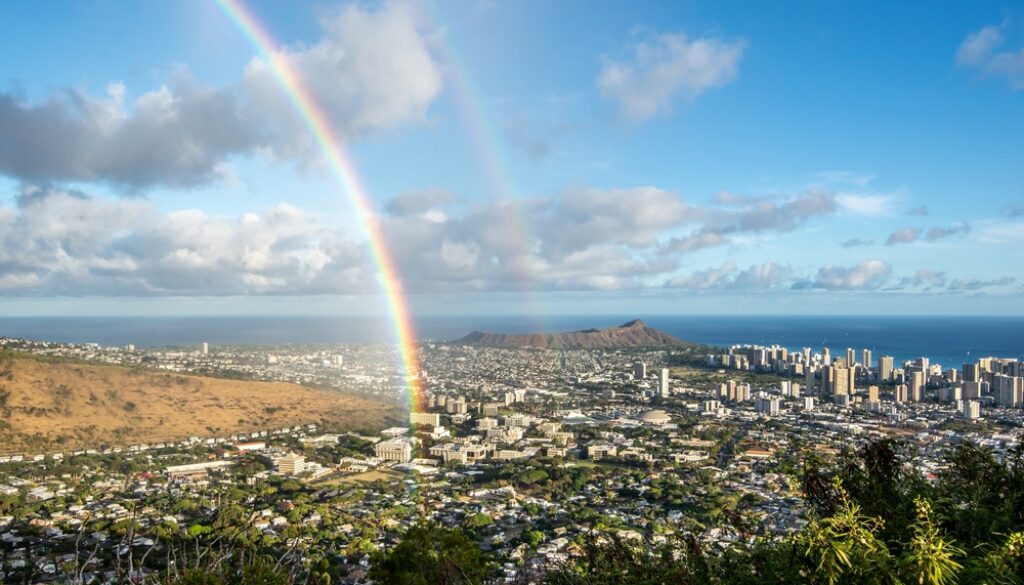
When it does rain in Honolulu, it is often a brief, refreshing “sun shower.” You might see a rainbow—a common sight that explains why Hawaii is known as the Rainbow State. If you are planning an outdoor activity, don’t let a localized weather report deter you; the showers often move through quickly, and the sun typically returns within minutes.
Tips for Planning Your Trip Around the Weather
The weather in Honolulu should be viewed as an invitation to get outside rather than a restriction. Whether you are staying at a luxury resort or a boutique property, you will find that the climate facilitates a laid-back, outdoor-oriented lifestyle.
Best Time for Outdoor Sightseeing
If your goal is to visit historical landmarks or hike the crater of Diamond Head, the cooler mornings—typically before 10:00 AM—are ideal. The heat is less intense, and the lighting is perfect for photography at Pearl Harbor or Iolani Palace.
Choosing the Right Gear
Regardless of the season, the sun in the tropics is potent. Even on cloudy days, UV rays can be strong. Always carry:
- Reef-safe sunscreen: To protect the delicate ecosystems at Hanauma Bay.
- A versatile hat: Wide-brimmed hats provide excellent protection during mid-day tours.
- Proper footwear: If you plan to hike near the North Shore or other trails, ensure you have sturdy walking shoes, as paths can be muddy after a passing shower.
- Reusable water bottles: Staying hydrated is the best way to handle the humidity.

Final Thoughts on Honolulu
While there is technically a “rainy season,” there is no “bad season” to visit Honolulu. The city offers a unique environment where the weather is consistently conducive to exploration and relaxation. By understanding the simple rhythm of the trade winds and the local rainfall patterns, you can plan an itinerary that embraces everything Oahu has to offer. From the warm, sandy shores of Waikiki Beach to the lush, cool trails of the interior, Hawaii provides the ultimate backdrop for your next escape. Whether you are seeking adventure or a quiet retreat, the beautiful, predictable climate of the capital city remains one of its most enduring and beloved features.
LifeOutOfTheBox is a participant in the Amazon Services LLC Associates Program, an affiliate advertising program designed to provide a means for sites to earn advertising fees by advertising and linking to Amazon.com. Amazon, the Amazon logo, AmazonSupply, and the AmazonSupply logo are trademarks of Amazon.com, Inc. or its affiliates. As an Amazon Associate we earn affiliate commissions from qualifying purchases.