
Planning a transcontinental journey from the bustling concrete canyons of New York to the serene, volcanic landscapes of Hawaii is an exhilarating prospect. Whether you are traveling for a well-deserved sabbatical or an intensive business retreat, navigating the significant shift in time is a fundamental aspect of your itinerary. Understanding how these two distinct regions operate within their respective time zones is essential for maintaining your schedule, coordinating with family back home, and ensuring your vacation transition is as seamless as the Pacific breeze.
Understanding the Time Zone Gap
The most critical factor for any traveler moving between these two points is the substantial time difference. The United States is divided into several time zones, and the gap between the East Coast and the middle of the Pacific is one of the most significant you can experience within the domestic borders.
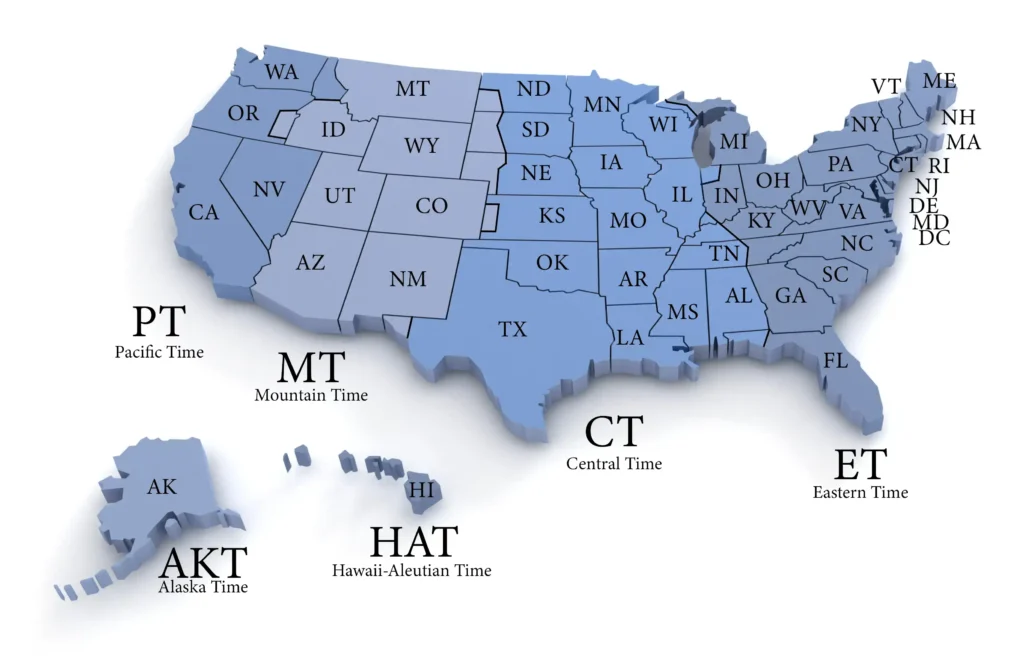
Eastern Standard Time versus Hawaii-Aleutian Standard Time
New York operates on Eastern Time (ET). Depending on the time of year, this is either Eastern Standard Time (EST) or Eastern Daylight Time (EDT). Conversely, Hawaii operates on Hawaii-Aleutian Standard Time (HST). Unlike the majority of the United States, Hawaii does not observe Daylight Saving Time.
Because of this, the time difference is not static throughout the year. During the months when New York is observing Daylight Saving Time (typically from mid-March to early November), the difference is six hours. During the winter months, when the East Coast reverts to Standard Time, the difference shrinks to five hours. Always verify the current time zone status of New York before confirming any meetings or transportation pickups.
The Impact of Daylight Saving Time
The primary reason for the fluctuating time difference is the decision by Hawaii to opt out of the biannual clock-shifting ritual. While the rest of the nation “springs forward” and “falls back,” the Pacific Ocean archipelago remains constant.
Why Hawaii Stays Consistent
Geographically, Hawaii is located much closer to the equator than New York City. Because the duration of daylight hours in Hawaii does not fluctuate significantly between summer and winter, there is little practical utility in shifting the clocks. For travelers, this means that your internal biological clock will have one less variable to manage once you arrive at Honolulu International Airport. You can expect the sunrise and sunset times to remain relatively stable regardless of what month you choose for your getaway.
Managing the Shift for New York Travelers
When you depart from John F. Kennedy International Airport, you are leaving a region defined by high-octane energy and distinct seasonal changes. By the time you touch down at Kahului Airport in Maui, you will find yourself in a place where the pace is governed more by the tides than by the clock. We recommend adjusting your watch as soon as you board the aircraft to help your mind begin the mental shift toward “island time.”
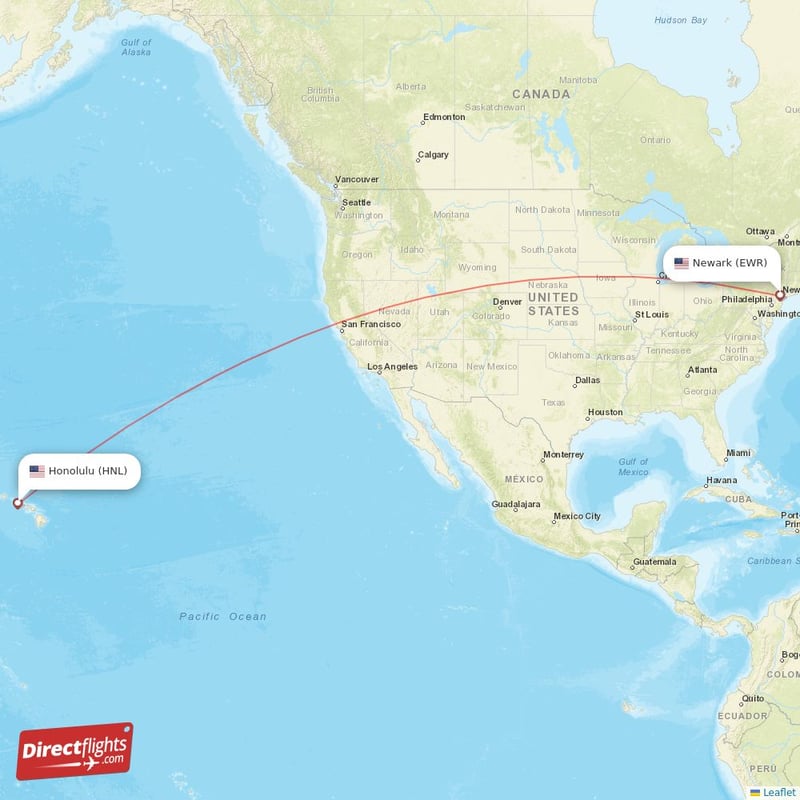
Strategic Itinerary Planning
When bridging the gap between two such drastically different environments, the timing of your activities is crucial. Many visitors arriving from the Atlantic Coast struggle with early morning wake-up calls during their first few days in Hawaii.
Leveraging Your Internal Clock
Because you are “gaining” hours when flying west, you will likely find yourself waking up at 4:00 AM or 5:00 AM local time during your first few days. Rather than lamenting the early start, embrace the advantage. This is the perfect window to visit popular landmarks before the crowds arrive. For instance, a sunrise visit to Haleakala National Park is significantly more enjoyable when you are naturally inclined to be awake at that hour.
Similarly, you can secure reservations at breakfast hotspots on Waikiki Beach or book early morning surf lessons at North Shore without the usual competition for space. By leaning into the early hours, you can maximize your productivity in the morning and reserve the later parts of the day for relaxing at your Grand Wailea Resort or enjoying a sunset dinner.
Coordinating with the East Coast
If you are traveling for business or need to keep in touch with colleagues back in Manhattan, the time difference can be a double-edged sword. If you start your workday at 8:00 AM in Hawaii, it is already 2:00 PM (or 1:00 PM in winter) in New York.
This means your morning in paradise is prime time for catching the tail end of the New York workday. Conversely, late-night emails from the East Coast will arrive while you are likely at dinner. To maintain a healthy work-life balance, establish firm boundaries. Check your messages during a designated hour, such as your morning coffee, and then disconnect completely to fully experience the beauty of Kaua’i or the history of Pearl Harbor.
Maximizing Your Island Experience
Once you have reconciled the time difference, your focus should shift entirely to the unique experiences awaiting you in the Pacific. The transition from the dense, urban fabric of New York to the lush, volcanic topography of Hawaii provides a profound psychological reset.
Embrace the Change of Pace
While New York thrives on urgency and precise timing, Hawaii operates under a more fluid structure. Do not be discouraged if your plans drift slightly; the island lifestyle is intended to be unhurried. Use the extra hours provided by the time difference to explore the diverse microclimates of The Big Island or the dramatic cliffs of the Na Pali Coast.
Preparation for Your Return
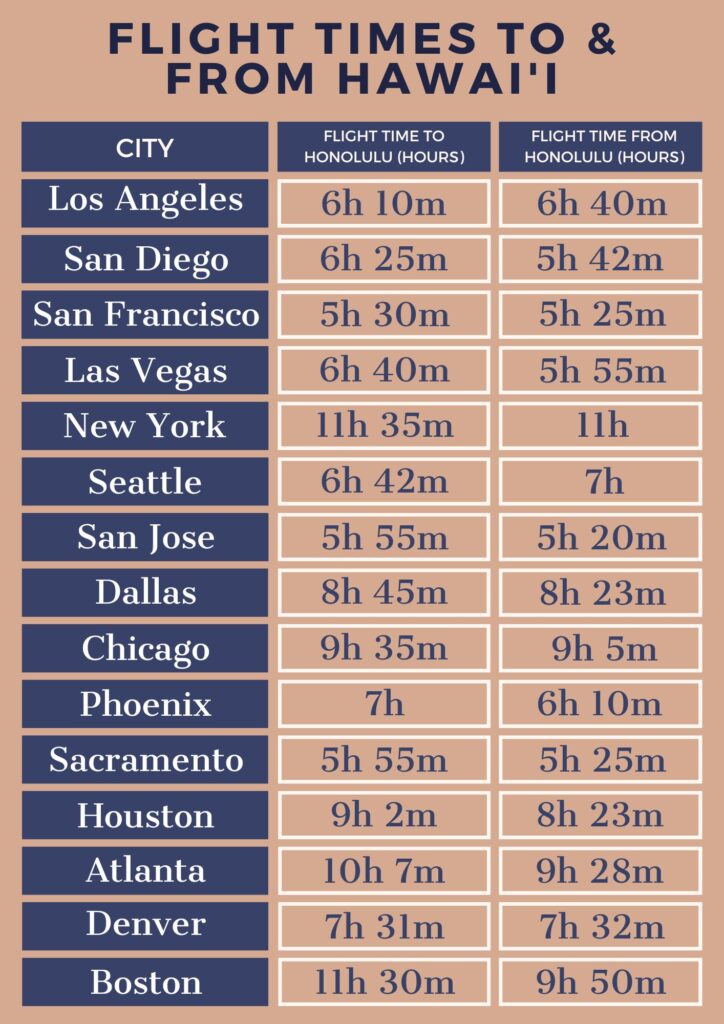
The return trip to New York is often more taxing than the departure. Because you are “losing” time when flying east, you will experience a form of jet lag that feels more pronounced. Plan for a “buffer day” after you return to the Tri-State Area before heading back to the office. This allows your body to recalibrate to the faster pace of New York without the pressure of immediate obligations.
By understanding the five-to-six-hour time difference and incorporating it into your travel strategy, you transform a potential logistical hurdle into a distinct advantage. Whether you are seeking the tranquility of the Hawaiian Islands or the cultural vibrancy of New York, your journey is best navigated with a clear understanding of the clock and a willingness to adapt to the rhythms of your destination.
LifeOutOfTheBox is a participant in the Amazon Services LLC Associates Program, an affiliate advertising program designed to provide a means for sites to earn advertising fees by advertising and linking to Amazon.com. Amazon, the Amazon logo, AmazonSupply, and the AmazonSupply logo are trademarks of Amazon.com, Inc. or its affiliates. As an Amazon Associate we earn affiliate commissions from qualifying purchases.